Nike was the most-considered apparel brand among U.S. consumers in 2024, with 37% saying they would consider it for their next clothing purchase, according to YouGov reporting cited by Fashion Dive. That gap between a mark people actively choose and a logo they tolerate is where branded apparel succeeds or fails. A garment only builds recognition, belonging, or revenue when someone keeps wearing it, and that depends less on artwork than on fit, fabric, and whether your program avoids returns and dead stock.
Table of Contents
- What Branded Apparel Is and Why Enterprises Use It
- Branded Apparel Types and Where Each Fits
- Quality and Materials Worth Specifying
- Fit and Sizing Risk in Distributed Programs
- Sustainability Claims That Hold Up
- Brand Safety and Compliance for Cross-Border Merch
- Running a Global Merch Program Step by Step
What Branded Apparel Is and Why Enterprises Use It
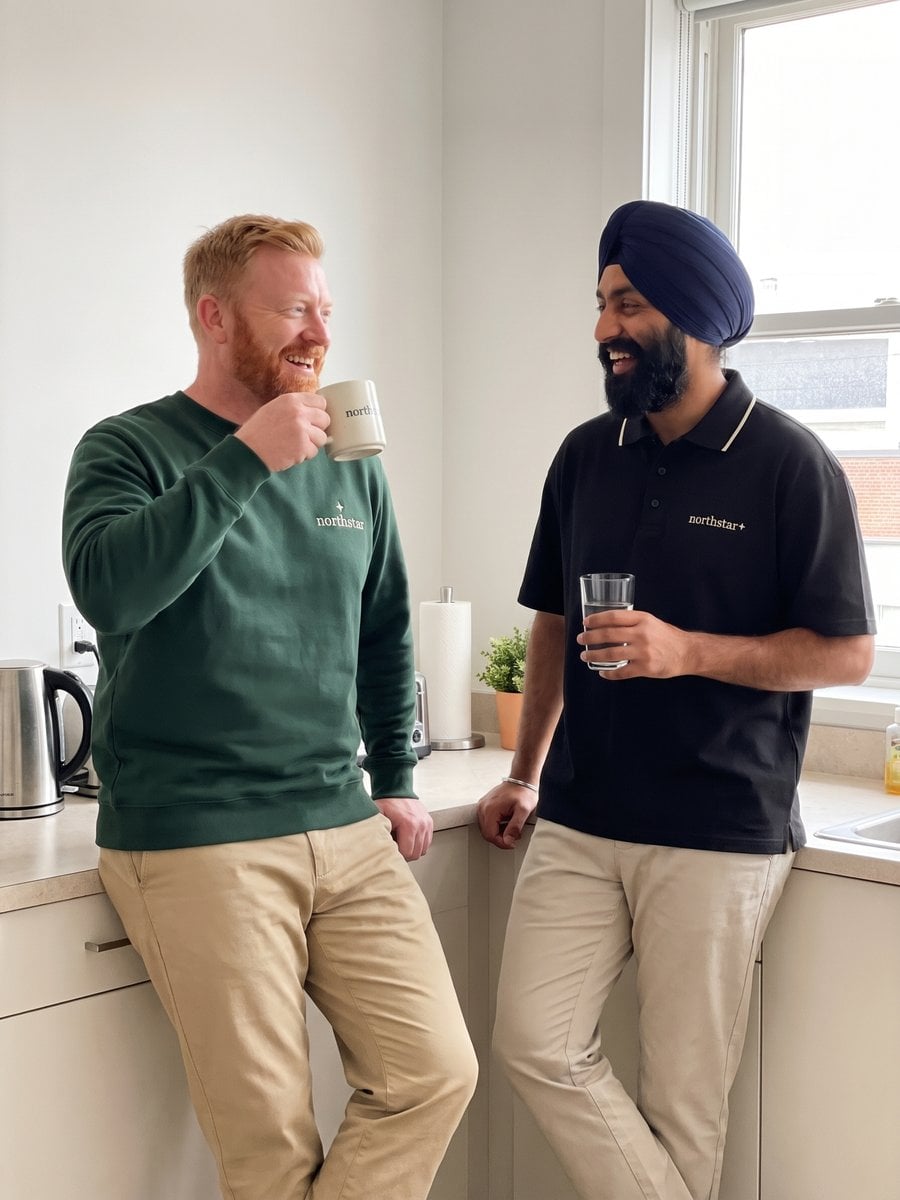
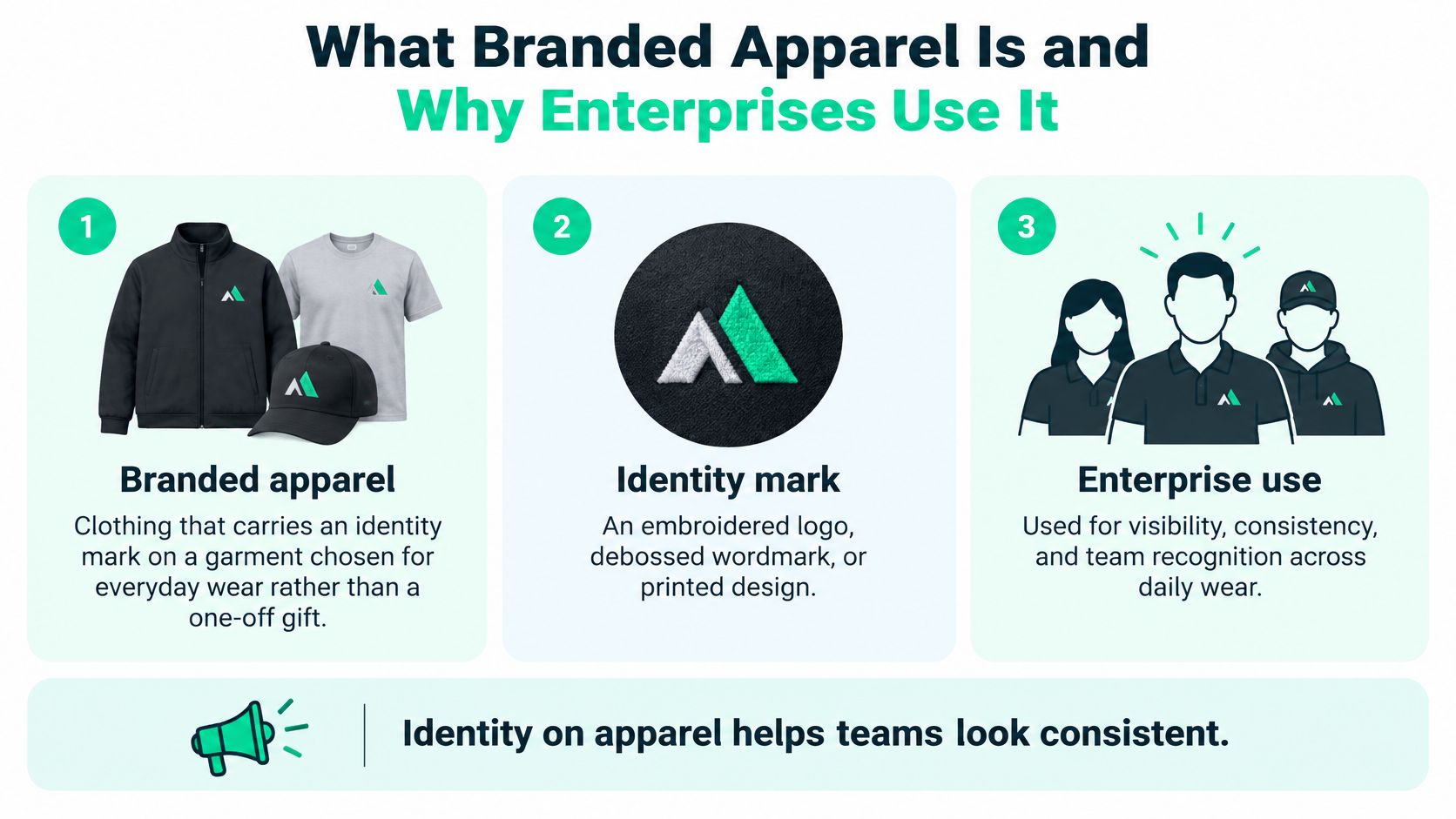
Branded apparel is clothing that carries an identity mark, such as an embroidered logo, debossed wordmark, or printed design, on a garment chosen for everyday wear rather than a disposable giveaway. The test is simple. If a logo T-shirt sits folded in a drawer, it's inventory. If a heavyweight tee or hoodie becomes part of someone's weekly rotation, it's doing the work you paid for.
The Four Uses That Drive Most Programs
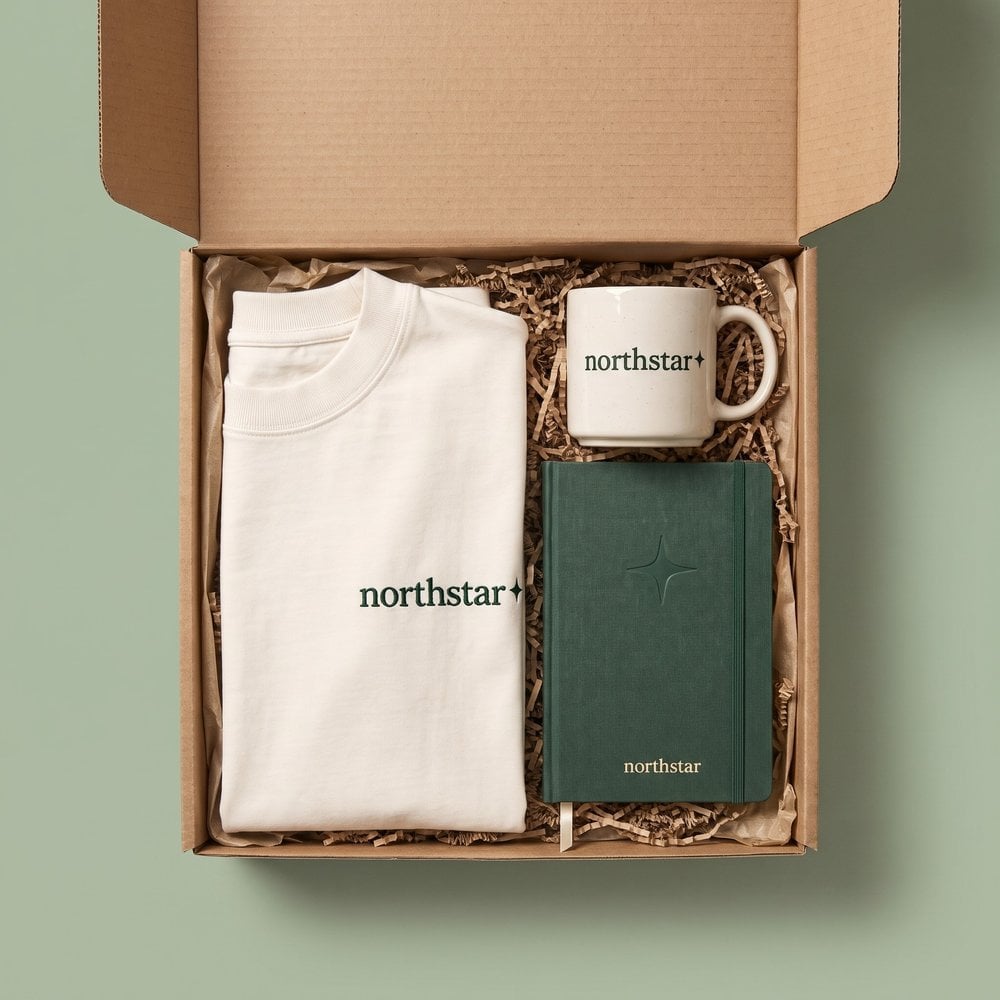
- Onboarding kits: New hires receive a core garment, often with a notebook, bottle, or tote, so day one feels considered rather than improvised.
- Recognition: Milestones, anniversaries, and peer awards call for a better blank and subtler decoration than a standard issue tee.
- Event and offsite drops: Teams need consistent, visible pieces that still make sense after the trip ends.
- Employee-choice stores: Staff pick fit, size, and style from a brand-safe catalog the company curates, which cuts the guesswork of bulk size runs.
Two misconceptions cause most disappointment. First, branded apparel isn't only promotional. It's also uniform, recognition, and internal identity, and each purpose justifies a different garment and budget. Second, the logo doesn't matter more than the fit. A perfect chest embroidery on a boxy, scratchy blank still produces an unworn garment.
For scale only, Fortune Business Insights estimates the global apparel market reached approximately $1.75 trillion in 2025 and projects $2.31 trillion by 2034, a 3.52% compound annual growth rate. That measures total apparel, not corporate swag, so treat it as context for how competitive recipients' wardrobes already are. Your decisions still come down to three questions. What should you buy, how do you choose fit and materials, and how do you run the program across regions without waste?
Branded Apparel Types and Where Each Fits
Start with use, not novelty. This table matches the items teams order most often to their typical role, decoration, and main risk.
| Item | Typical use | Common decoration | Main risk |
|---|---|---|---|
| Heavyweight tee | Onboarding kits and everyday wear | Embroidered or screen-printed chest mark | Fit and sizing across the size run |
| Hoodie or crewneck | Recognition gifts and cold-weather events | Embroidered chest wordmark, optional sleeve graphic | Bulk stock and size spread |
| Cap | Events and everyday wear | Flat embroidery or 3D puff | One-size fit and crown shape |
| Tote or swag bag | Event kits and reusable carry | Embroidered or screen-printed logo | Low perceived value if the bag is flimsy |
| Hardcover notebook | Onboarding bundles | Debossed or foil-stamped mark | Little fit risk, but cover finish varies |
| Insulated bottle | Welcome packs and travel | Laser-etched logo | Breakage in transit |
| Enamel pin or woven patch | Recognition add-on | Enamel fill or woven design | Loose backing or uneven colour |
How Teams Actually Order Them
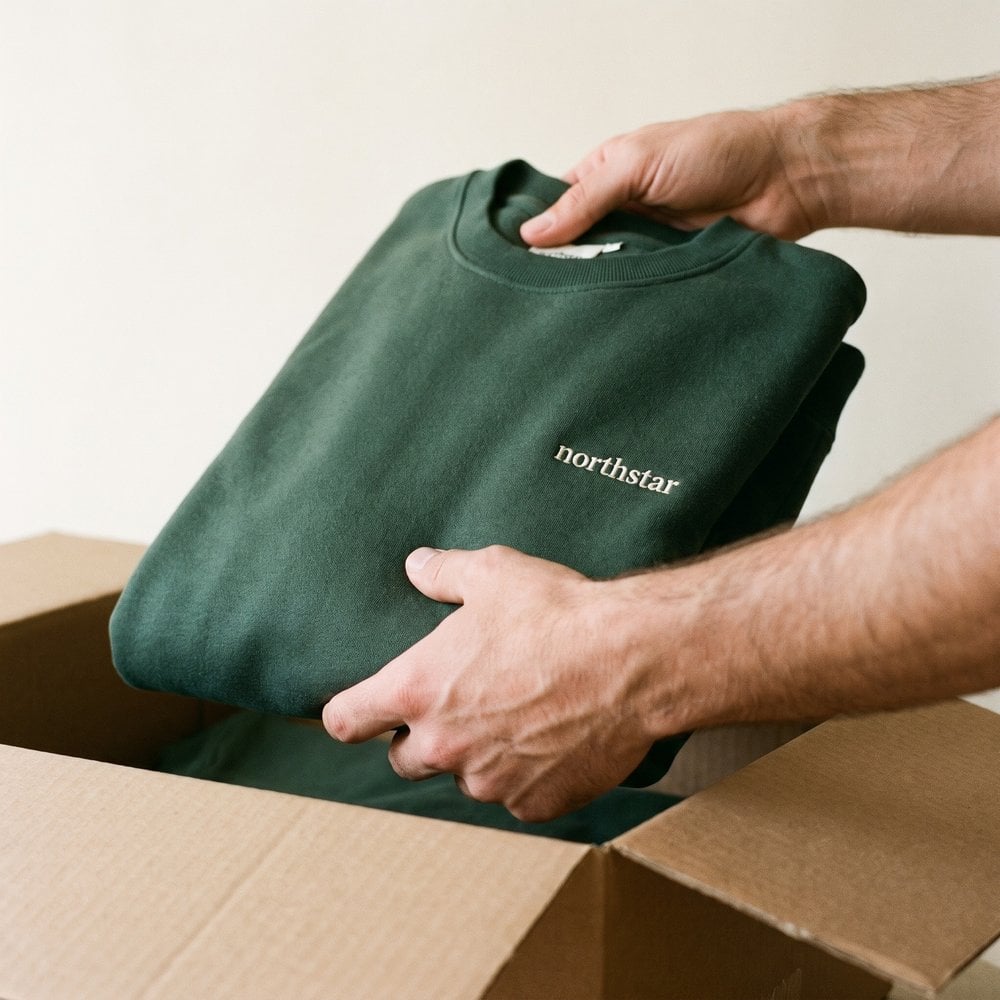
Heavyweight tees anchor onboarding because they're familiar, easy to layer, and forgiving on decoration. A garment-dyed heavyweight tee with an embroidered logo reads retail rather than giveaway, but only if the silhouette suits your workforce. Order samples across the size run before you commit.
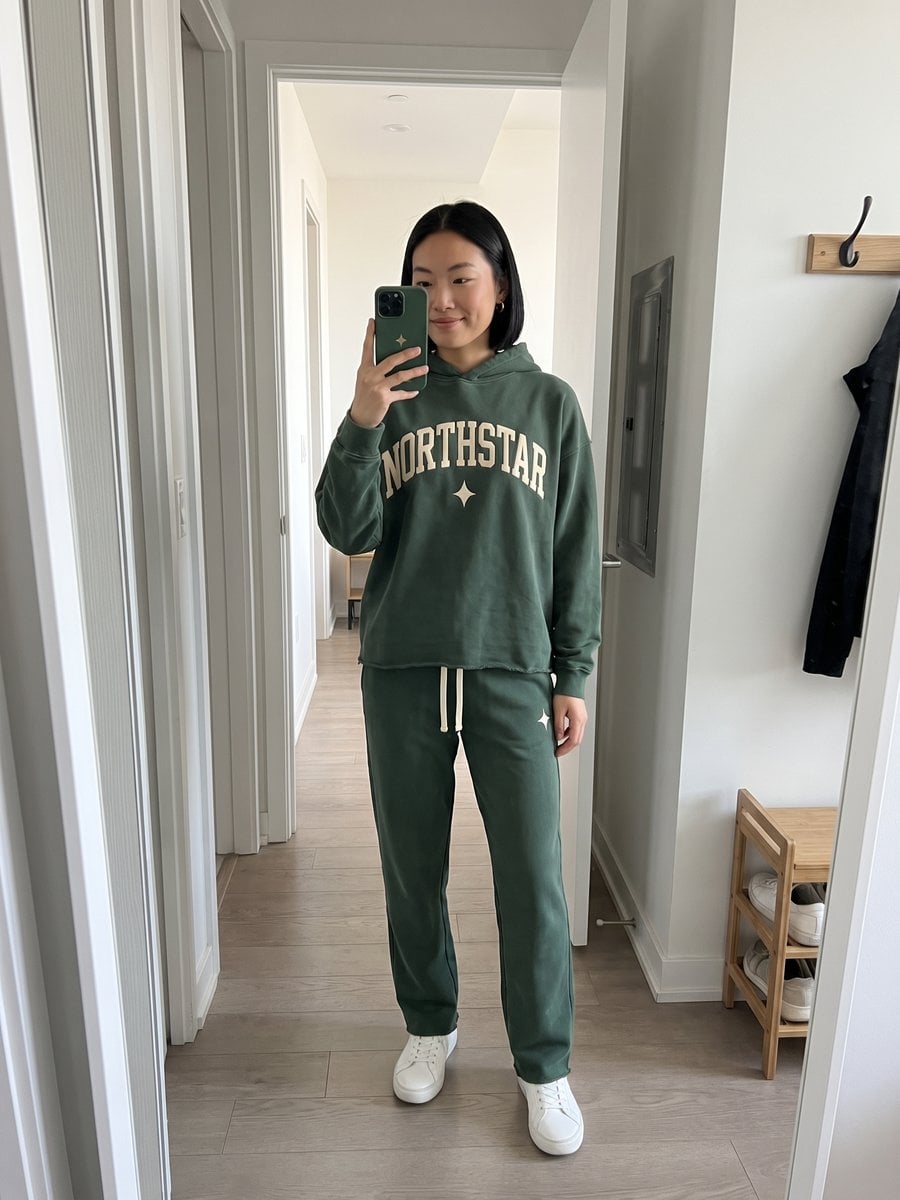
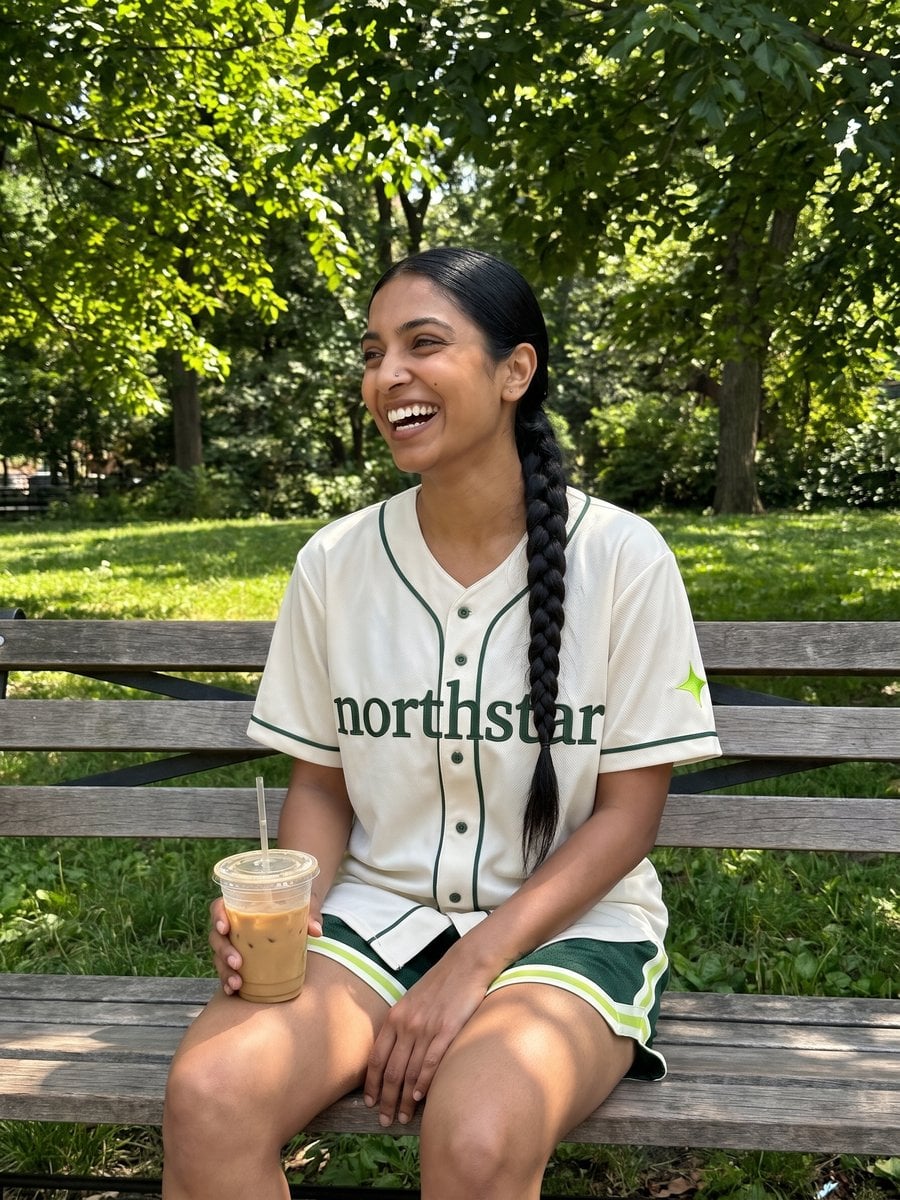
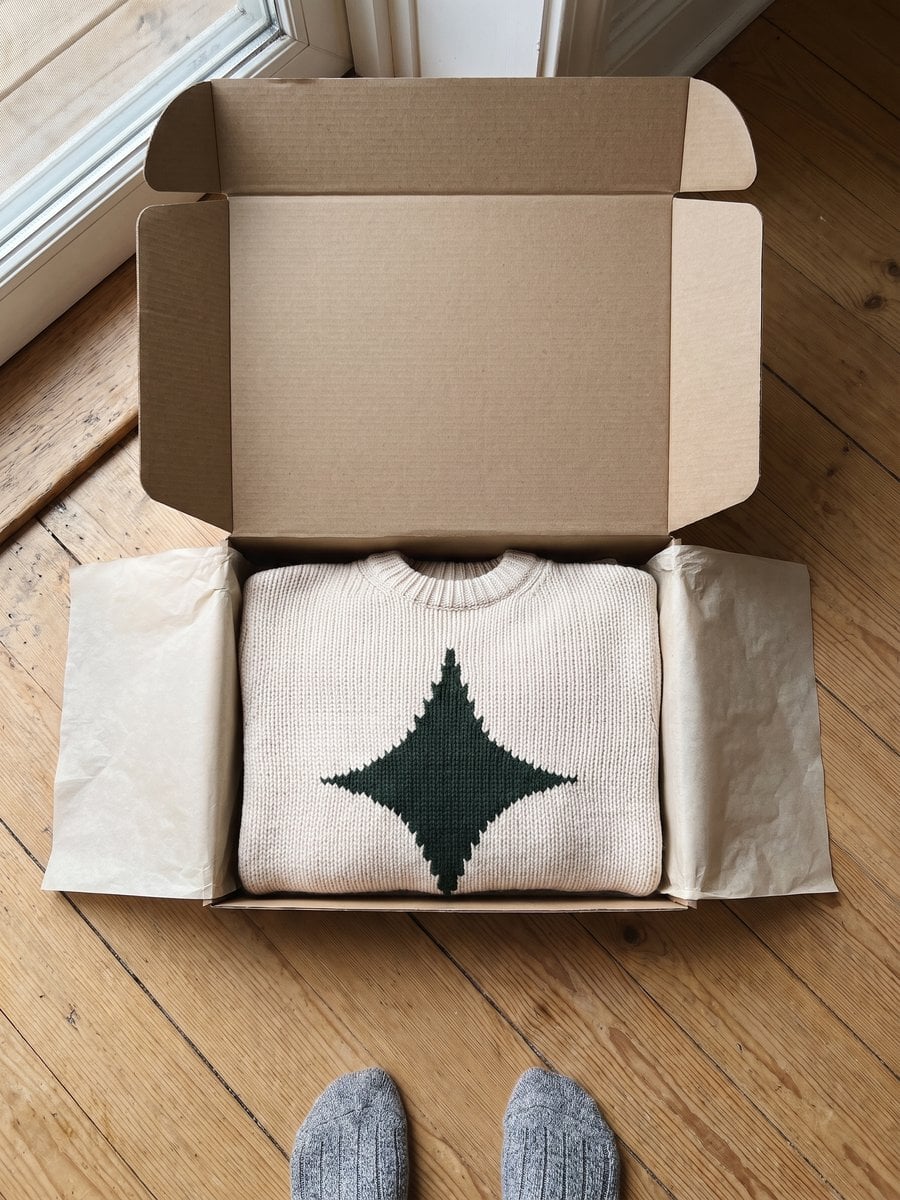
Hoodies and crewnecks carry recognition and cold-weather events. They cost more, ship bulkier, and punish a wrong size forecast, so I wouldn't bulk-buy them without confirmed sizes. A heavyweight hoodie can carry an embroidered chest wordmark and a DTG sleeve graphic together. That pairing works for a recognition gift because the chest stays clean and wearable while the sleeve holds the campaign or team detail.
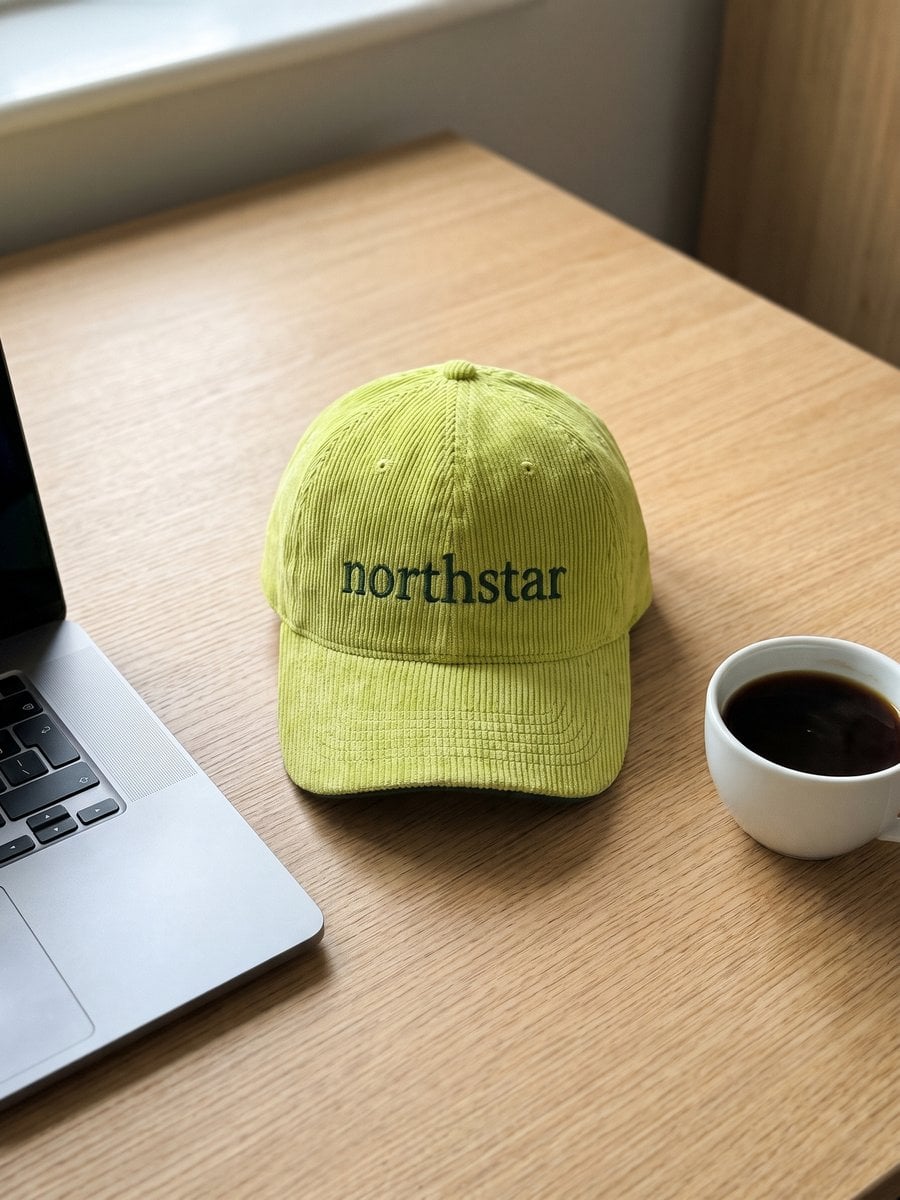
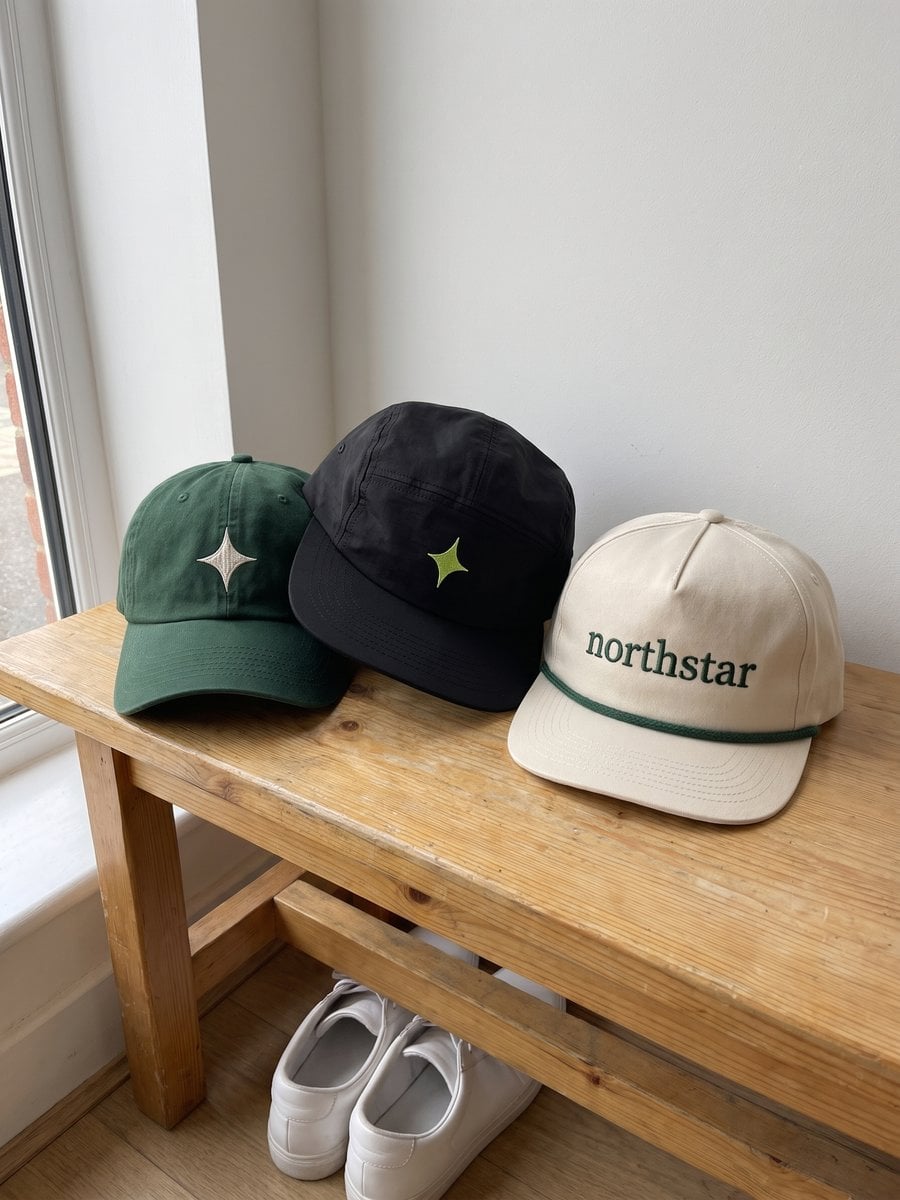
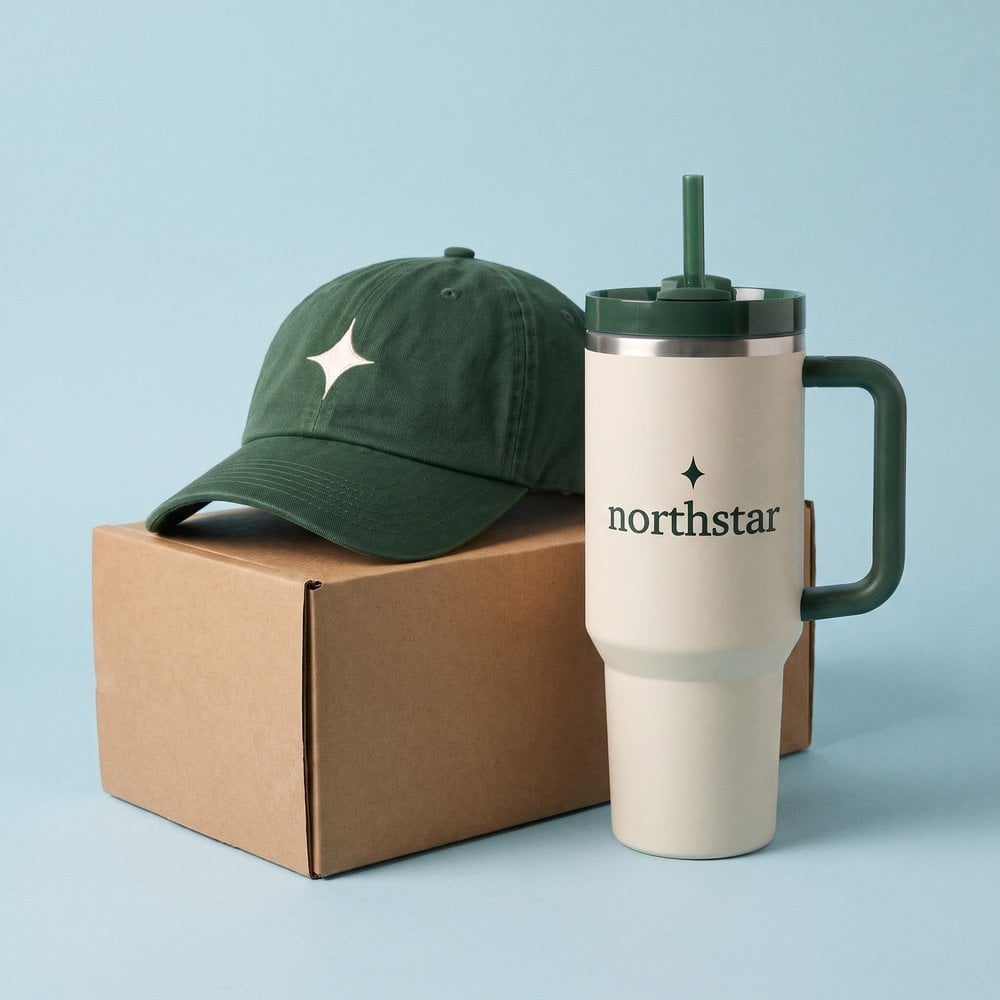
Caps suit events and everyday wear because sizing risk is low. Our default is embroidery, using 3D puff for streetwear-leaning brands and flat embroidery for everything else. Crown shape matters as much as the logo, though. A structured high crown and a soft dad cap attract different wearers.
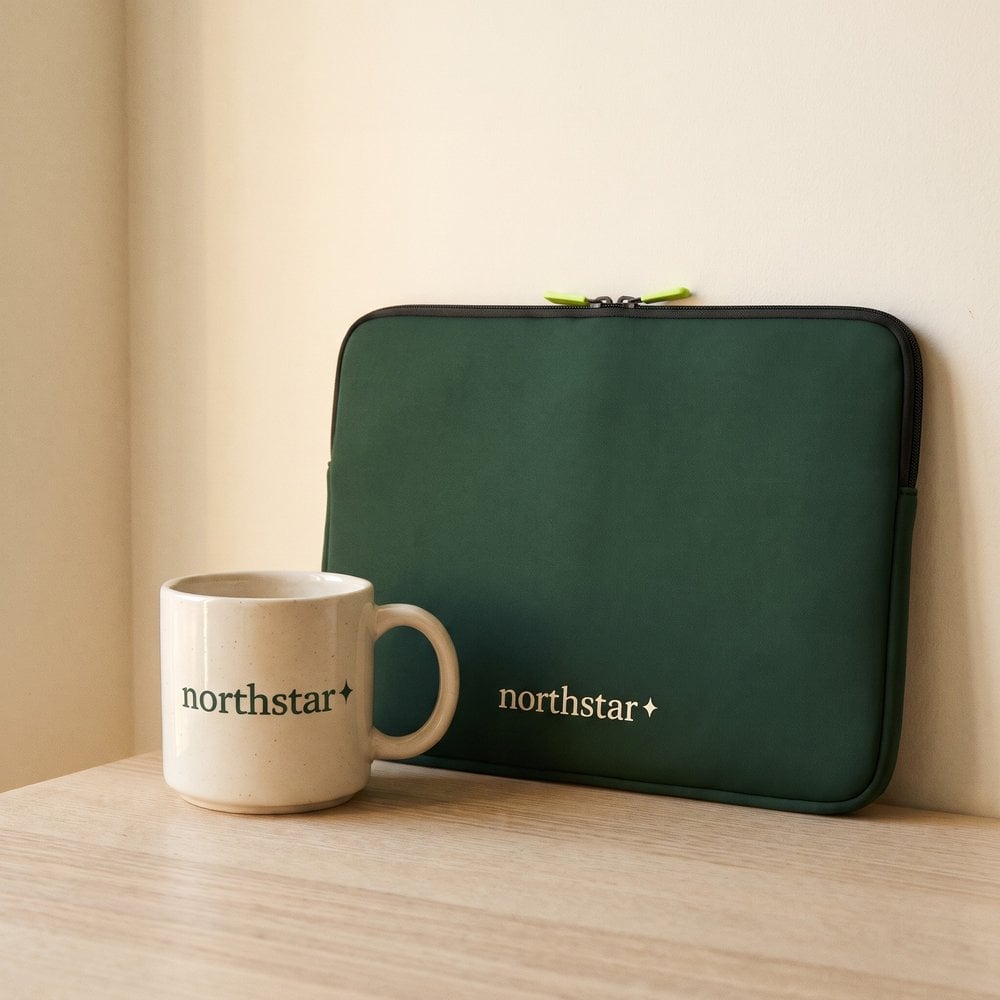
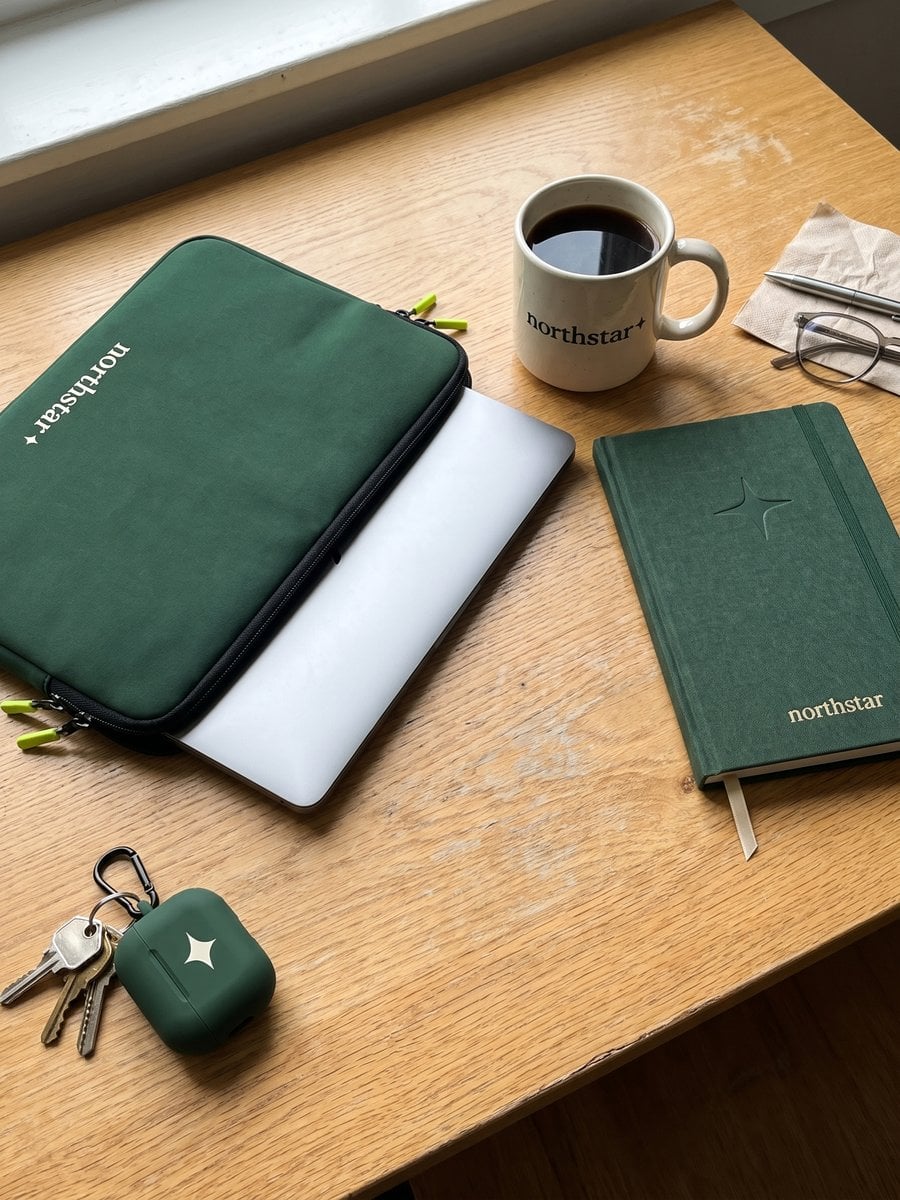
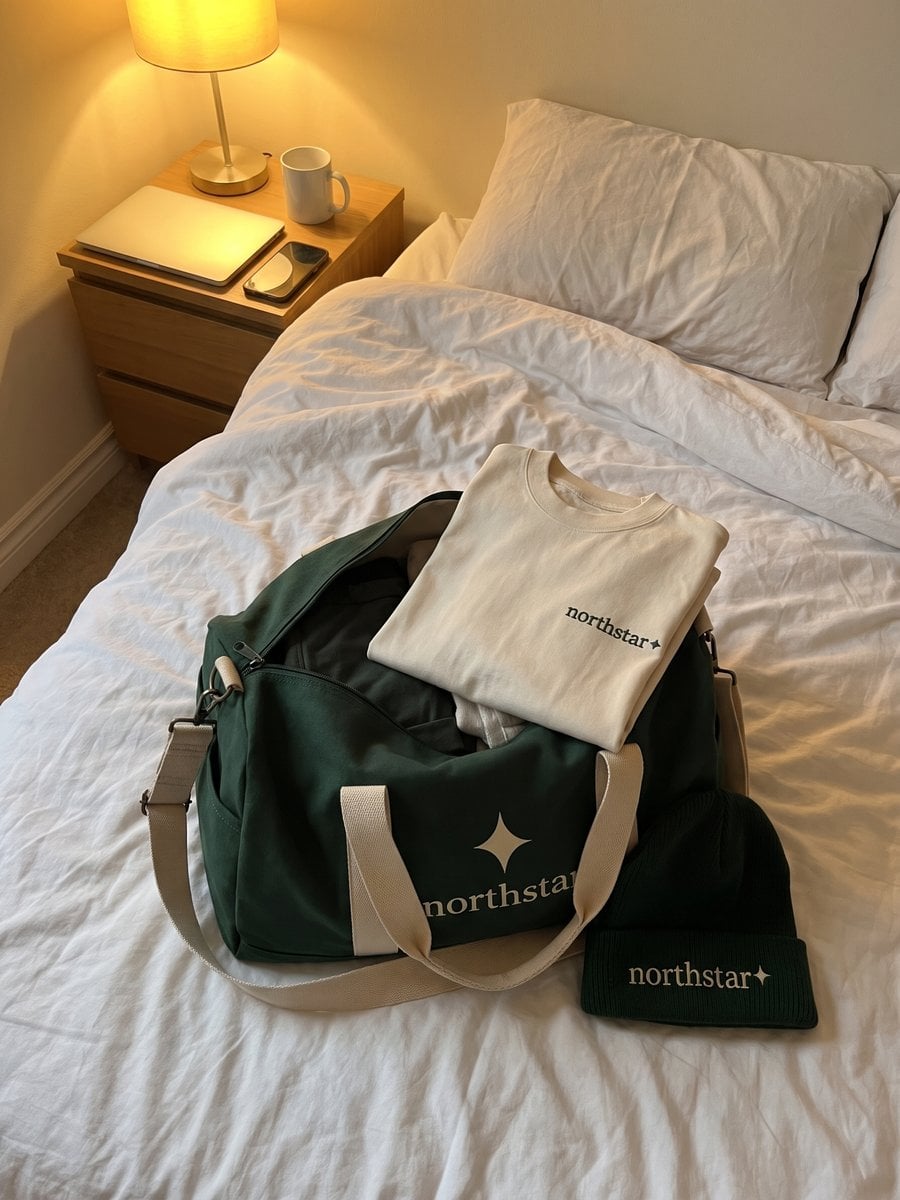
The non-apparel pieces complete a kit. A heavyweight tote with an embroidered event logo holds the rest of the kit and can be reused after the trip. A hardcover notebook with a debossed mark suits onboarding bundles, and an insulated stainless bottle with a subtle laser-etched logo travels well if you pack it properly. Enamel pins and woven patches are cheap recognition add-ons, but check backings and colour consistency on a physical sample.
For sport-specific programs, don't force a standard tee into an athletic setting. It is worth reviewing performance shirt guidance for golf teams before you spec collars, moisture management, and logo placement for course wear.
Pick the item the recipient will use again first, then choose decoration that survives that use, whether that's frequent washing, sun, or daily carrying.
Quality and Materials Worth Specifying
Quality failures rarely start at the logo. They start when a blank is chosen on hand feel alone, then a distributed program exposes thin jersey, unstable dye, weak backing and a sustainability claim no mill can document.
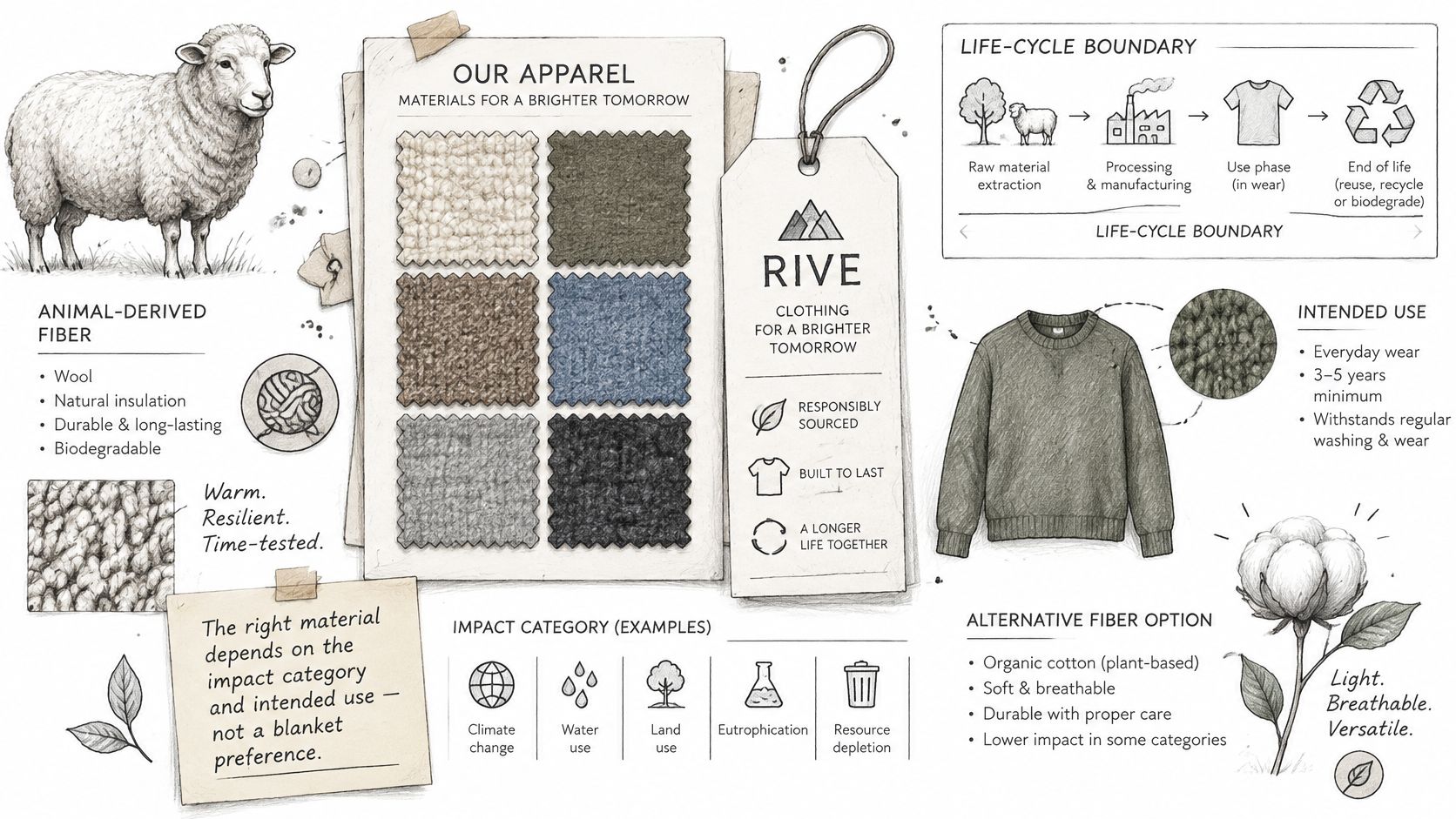
Material choice should follow a defined life-cycle boundary and impact category rather than a blanket preference for one fibre. "Cotton good, polyester bad" collapses as soon as you ask whether you are measuring climate, water or acidification, and whether your boundary stops at the factory gate or includes years of washing. For some fibres the hotspot sits upstream in cultivation or farming; for others it sits in dyeing, finishing or repeated laundering. Treat any ranking as conditional, because the boundary, metric and expected garment life decide the result.
A Procurement Benchmark You Can Defend
Ask every supplier for the same data set, then compare blanks on the same functional unit, such as one garment or one expected wear.
- Fibre content and recycled input: Exact percentages, not marketing names.
- Dyeing and finishing: Process type, colourfastness results, and chemical restrictions applied.
- Energy and water: Supplier-level figures for the specific mill, not a group average.
- Expected garment life: Wash durability, pilling resistance, and decoration survival.
The practical test is whether two suppliers can answer the same four lines without changing units, scopes or definitions. If one quotes a group-level energy average while another names the actual mill, the cheaper quote is not comparable.
This short video walkthrough is useful background before you lock a blank specification.
Blank Quality Specs to Put in Writing
Specify fabric weight so a "heavyweight" claim is measurable, and require colourfastness testing for dark garments that will sit against light furniture and car seats. For embroidery, set stitch density and backing type, because sparse stitching puckers thin jersey. For DTG, require wash-test samples, since a print that cracks early turns a premium blank into a complaint. Put the acceptable result next to each test, not just the test name, so a supplier cannot pass a vague certificate and fail the garment.
Treat an unsupported sustainability claim as a quality risk, not a marketing asset. If a supplier cannot document a claim, remove the claim or remove the blank.
Fit and Sizing Risk in Distributed Programs
Fit is the largest controllable source of waste in distributed programs. In ordinary retail, shoppers can try, swap, and return cheaply. In a global onboarding or event program, an exchange can mean international reverse shipping, customs paperwork, and a new hire who starts work without the kit everyone else received.
Rithum's 2025 Global Returns and Profit Impact Report reports that 61% of shoppers identify poor fit as the main reason for apparel returns, 68% returned clothing or footwear in the previous year, and 36% intentionally bought multiple sizes to try at home. Your recipients can't bracket sizes in a bulk order, so you carry the risk they would normally carry themselves.
| Garment | Fit risk | Measurement to collect | Fallback |
|---|---|---|---|
| Heavyweight tee | Medium, silhouette varies by blank | Chest width and length on a reference size | Offer two fits and a set exchange window |
| Hoodie | High, bulk and length vary widely | Chest, body length and sleeve length | Let recipients self-select size before the bulk order |
| Sweatshirt or crewneck | Medium, drop shoulder and boxy cuts vary | Chest and body length | Confirm a sample size before the run |
| Bottoms | High, waist and inseam differ by region | Waist, inseam and rise | Order a small pilot per region |
| Cap | Low, adjustable or fixed head size | Head circumference range | Choose an adjustable strap |
| Tote or bag | None for fit | Dimensions only | Not applicable |
Why a Size Chart Alone Fails
A size label is not a measurement. Silhouettes differ across blanks, unisex cuts often mean men's cuts graded down, and regional size norms don't align. Many recipients also don't know their size in an unfamiliar brand. If your team needs a primer on how labels vary, Robosize's guide to clothing size labels explains why the letter on the tag tells you less than the garment's actual dimensions. For women's fits specifically, our guidance on branded shirts for women covers cut choices beyond ordering smaller unisex sizes.
Build fit confidence instead. Publish actual garment measurements on a reference size, show the garment on a model with their size stated, and let recipients self-select where practical. Set a clear exchange window and hold a small exchange buffer in core sizes. Don't bulk-order high-risk items, especially bottoms and hoodies, until sizes are confirmed.
Then report what happened. Track exchanges by location, blank, and size so the next order corrects the size curve instead of repeating it. If one region exchanges mediums for larges every quarter, your size run is wrong, not your employees.
Practical rule: A logo can't compensate for a garment nobody wears. A returned item costs you production, reverse shipping, and goodwill at the same time.
Sustainability Claims That Hold Up
Most sustainability talk about branded apparel stops at the fabric label. Swap in organic cotton or recycled polyester, print the claim on the hangtag, and call the program responsible. That misses where programs create waste, which is overproduction, low wear rates, unused onboarding stock, and shipping the wrong sizes around the world.
BCG's textile waste analysis reports that in 2024 approximately 80% of discarded clothing went to landfill or incineration, only 12% was reused, and substantially less than 1% was recycled into new textile fibers, with textile waste representing an estimated $150 billion in lost raw-material value. Against that backdrop, a greener fibre in a garment nobody wears is still landfill with better sourcing.
Questions Your Team Should Be Able to Answer
- Wear rate: What share of branded garments get worn after the event or first month?
- Production model: Does made-to-order beat bulk once extra shipment distance is counted?
- Leftover stock: What happens to onboarding kits after a hiring freeze or rebrand?
- Design life: Can event merchandise work as everyday clothing, or does a date and city printed on the back retire it immediately?
Durability and low-impact sourcing aren't the same lever. A well-made hoodie worn for years can deliver more practical value than a nominally greener item abandoned after one conference. That doesn't excuse careless sourcing. It means you should optimise for wears per garment first, then improve the footprint of each wear. Our deeper guidance on sustainable clothing production covers the manufacturing side of that balance.
Measure a small set every quarter. Track wear rate through recipient surveys or reorder behaviour, reorder and return rates, dead stock by item and size, shipment distance, packaging weight, and whether each material claim has verified evidence behind it. Add repair or redistribution pathways for sound garments that are in the wrong place.
Close the loop with care guidance. Put concise washing and drying instructions in the onboarding kit or store listing, favouring lower temperatures and air drying where the fabric allows. A garment that keeps its shape and print longer is the cheapest sustainability win you have.
Brand Safety and Compliance for Cross-Border Merch
Brand safety starts before any order. Approve logos, colour standards, placement rules, and the blank list centrally, and keep off-brand items out of the catalogue entirely. Get written sign-off for any partner, sponsor, or licensed mark, including where it may appear and when permission expires. If a regional team can upload any artwork to any product, you don't have a program. You have uncontrolled publishing on clothing.
Four Compliance Checks per Destination
- Customs classification and tariffs: Confirm classification with a customs specialist before committing to a supplier, because fibre composition and garment construction can change the duty treatment.
- Fibre-content and care labelling: Verify the exact wording, language, and placement required in the receiving market. A label approved in one market doesn't automatically work in another.
- Supplier code of conduct: Require standards on wages, working hours, and safety, verified by audit rather than self-declaration. A certificate on a sales deck isn't an audit.
- Product safety for non-textiles: Check requirements for insulated bottles, metal-finished enamel pins, and other hard goods separately from apparel rules.
The common slips are predictable. Teams assume a supplier who serves one region well understands another region's labelling law. They treat a partner logo approval for a conference banner as approval for resale merchandise. They also let a local vendor substitute a similar blank, which changes fibre content, labelling, and colour at once.
Keep a shared compliance register that travels with each order. Record the approved artwork version, blank specification, label copy, classification, audit status, and destination checks in one place. When a region changes supplier, the new supplier inherits documented approvals instead of someone's memory. That register is what lets brand, legal, and operations say yes quickly without re-litigating every order.
Running a Global Merch Program Step by Step
Run the program as an operating system, not a series of one-off orders. These eight steps keep brand control central while letting regions adapt to climate, sizing, and delivery realities.
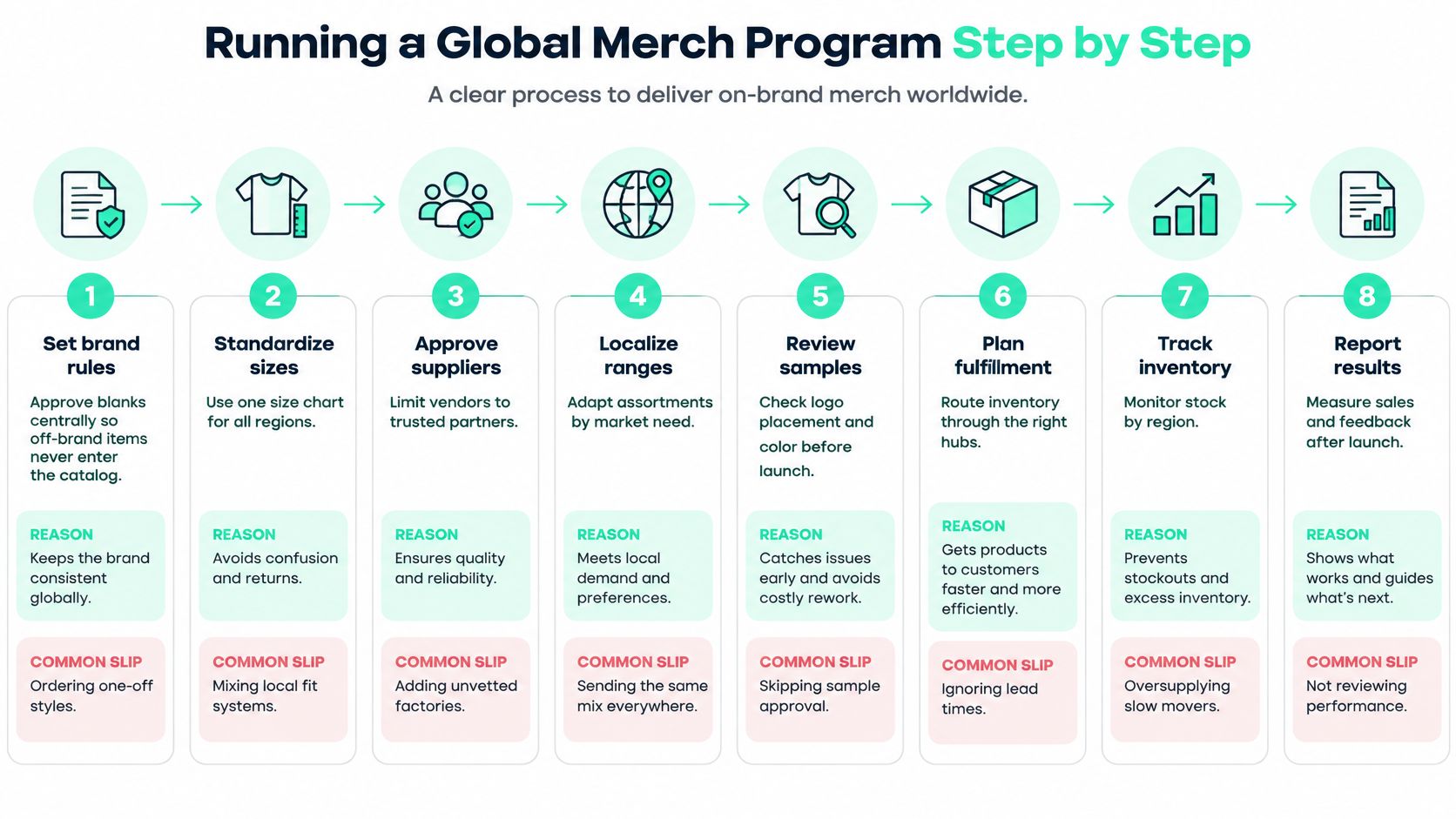
- Set brand rules and approved blanks centrally. Admins set brand rules, approved products, and caps for the merch wallet, so no off-brand merch ships from the store. The common slip is approving one blank for every climate.
- Map regions to bundles. A single offsite across multiple regions can use region-specific bundles, heavyweight garments for cold cities and lighter blanks for hot ones, with the same brand and kit.
- Use market scale for planning. Statista's U.S. apparel market overview puts U.S. apparel revenue at approximately $359 billion in 2024 out of about $1.8 trillion globally, roughly 20% of worldwide apparel revenue, so U.S. programs often set sourcing and pricing benchmarks. If you sell any items rather than gifting them, browse ecommerce pricing guides before setting regional price points.
- Set budgets per person or event. Use a merch wallet with admin-set limits. A company swag store is a branded internal storefront where employees pick the swag they want, using credits or allowances allocated by People Ops. The slip is an open-ended allowance nobody reconciles.
- Decide stock or made-to-order per item. Stock suits stable onboarding volume. Made-to-order suits uncertain headcount and wide size curves. Weigh shipment distance against the cost of unused stock, item by item.
- Check trade and labelling rules per destination. Work from the compliance register, not from the last order's paperwork. Our playbook on how to send employee merch globally covers the logistics sequence in detail.
- Track outcomes quarterly. Review wear, returns, reorders, and dead stock by region, blank, and size, then adjust the catalogue and size runs.
- Plan redistribution. Decide in advance where unused stock goes after headcount or event changes, whether that's a later cohort, another office, or donation with branding reviewed.
Before the first order, test three things. Sizes must be validated against measurements, brand rules must be locked, and each region needs a stock plan. Then make one decision. Pilot in one region, with one garment type and one measured fit standard, and scale only what the pilot proves. Where a team prefers a managed provider, we can run curation, quality checks, and reporting end to end.
If you're replacing drawer-bound swag with branded apparel people wear, FLYP LTD can run your onboarding kits, recognition drops, event merch, and employee-choice store as one brand-safe global program, with curation, quality checks, fit reporting, and delivery handled for you. Start with a single-region pilot and one measured fit standard, then scale what works. Visit FLYP LTD to scope your program.