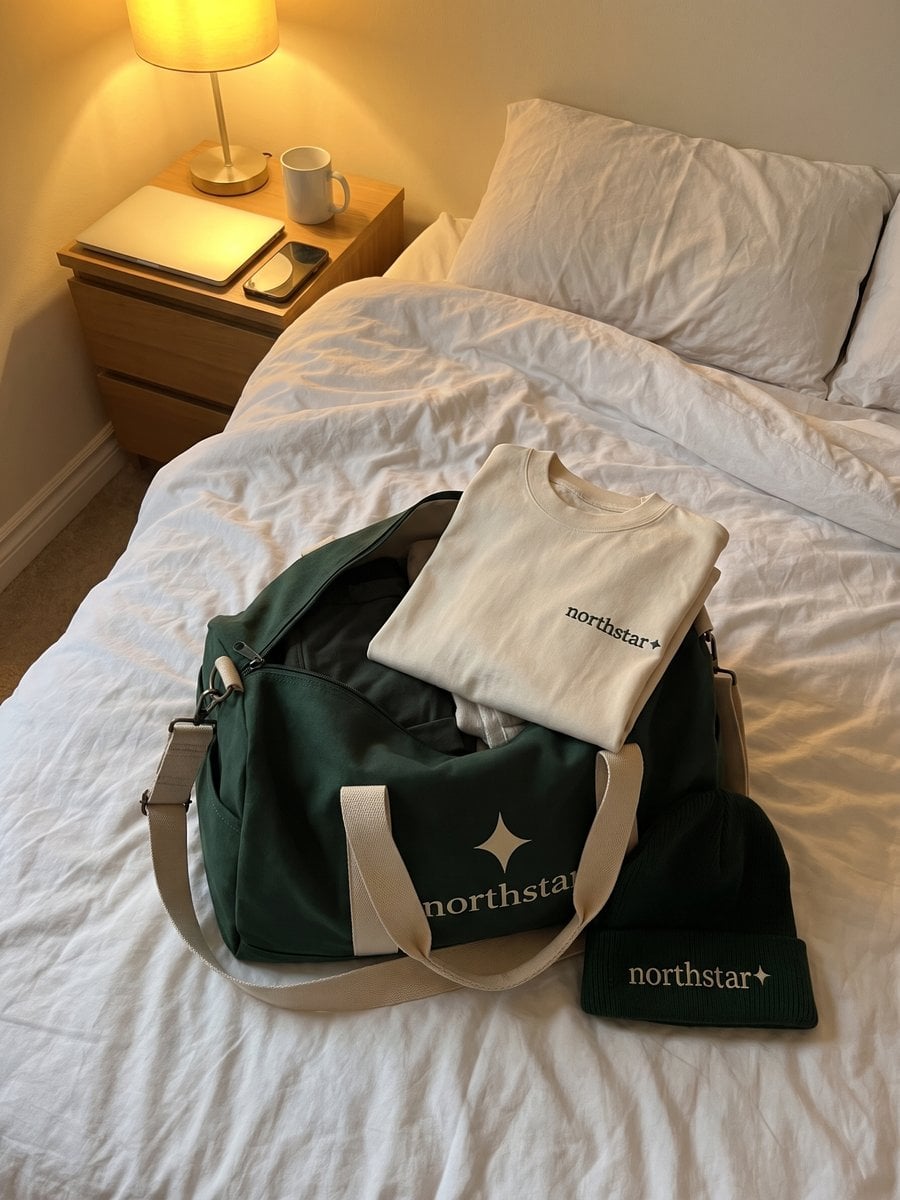
88% of U.S. employees surveyed by Custom Ink in 2024 said receiving a favorite piece of company swag made them feel more positive about their employer, according to Custom Ink's company swag survey. The important word is favorite. That finding describes an item someone values, not just merchandise with a logo.
For People Ops teams, that changes the planning question. Instead of asking how much merchandise fits in a bag, ask what employees will choose, keep and use. A useful program connects those decisions to onboarding readiness, meaningful recognition and manageable operations, without pretending a gift can substitute for a good workplace.
Table of Contents
- What a Company Swag Bag Holds and Why It Matters
- Typical Kit Contents and What Each Costs
- Using Swag Bags to Onboard New Hires
- Choosing Items People Will Actually Use
- Running Swag Bags for Events and Recognition
- Choosing Direct-Send Kits or a Swag Store
- Managing Distribution, Inventory and Lifecycle Impact
- Plan Your First Company Swag Bag Program
What a Company Swag Bag Holds and Why It Matters
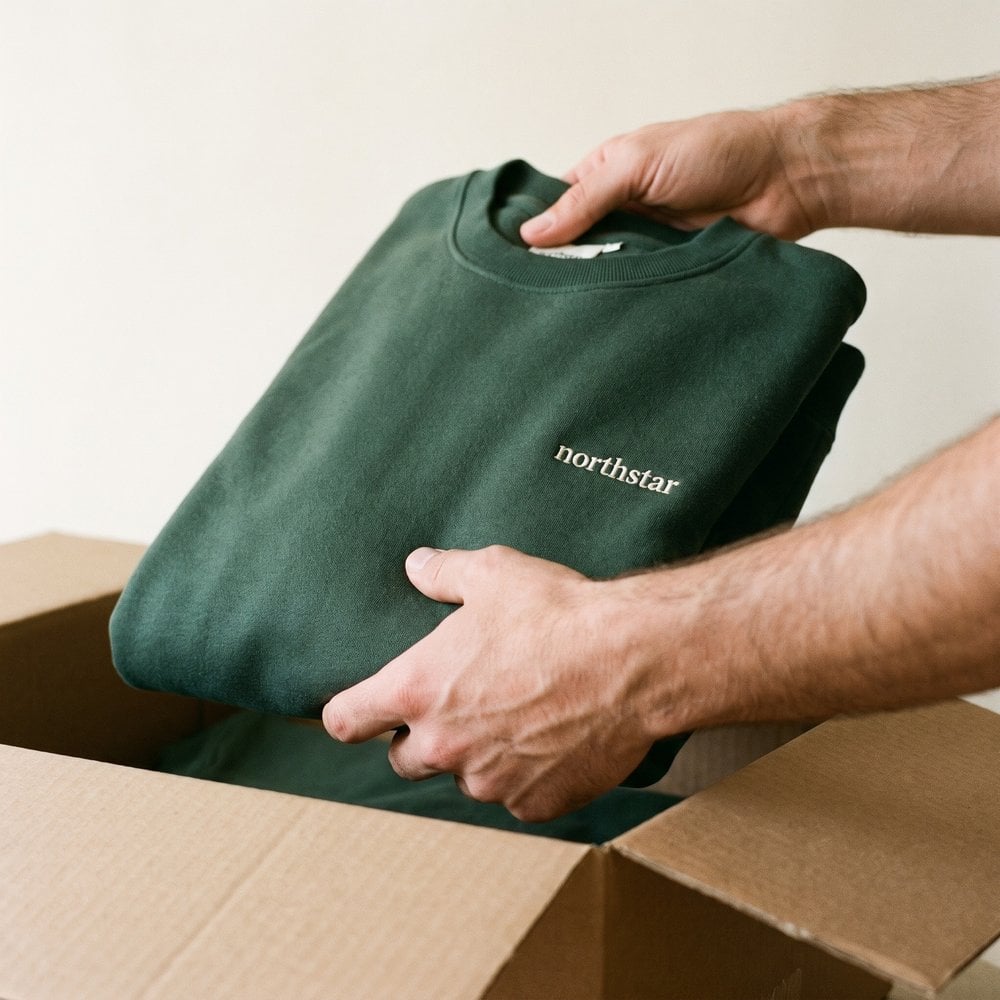
A new employee opens a package before starting work. Inside, there's a tee in their chosen size, a bottle, a notebook and a welcome card from their manager. The items are straightforward, but the details tell the employee whether someone considered their needs.
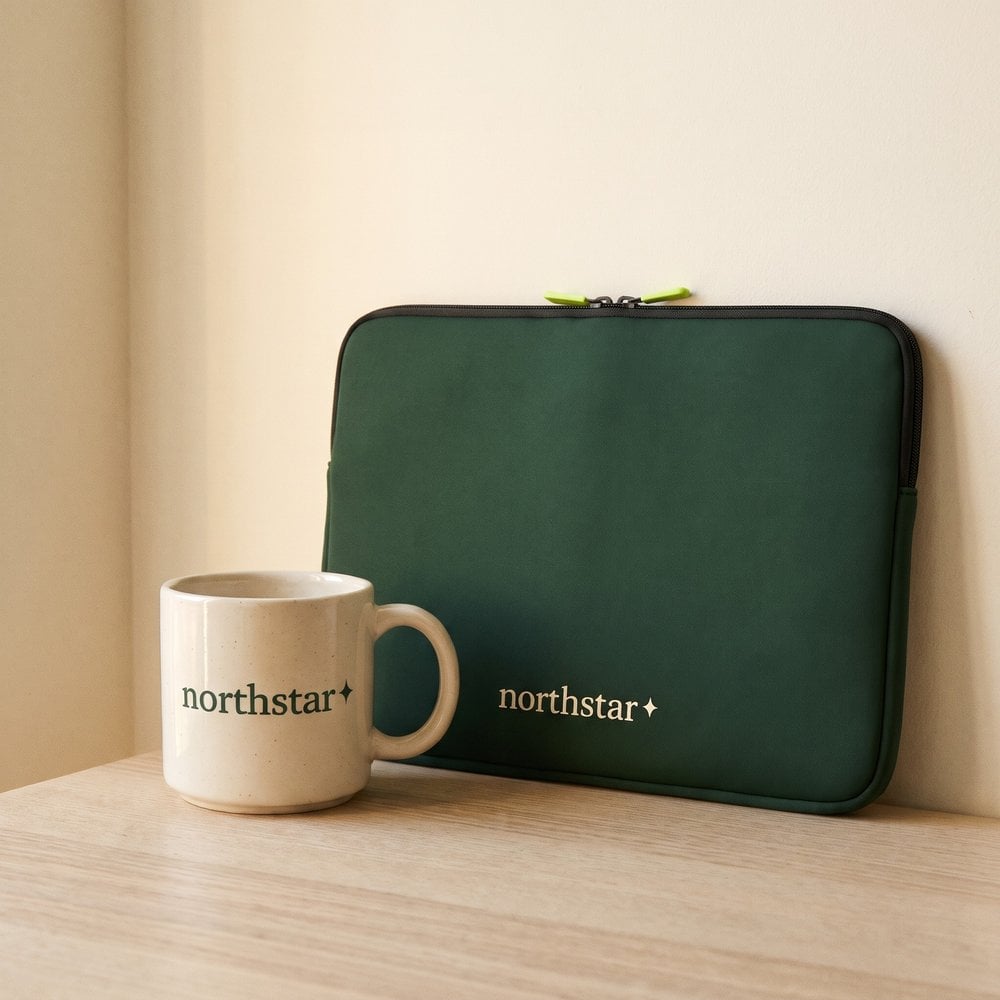
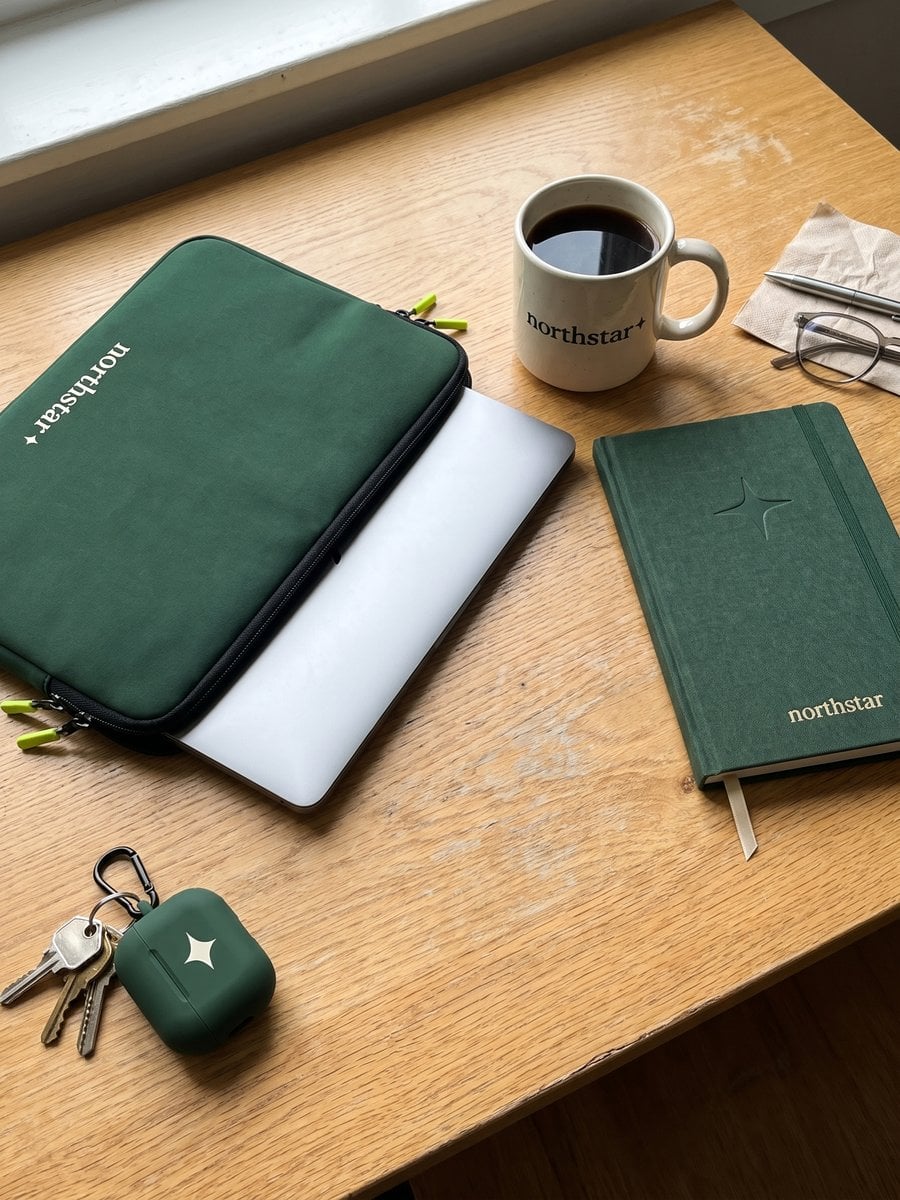
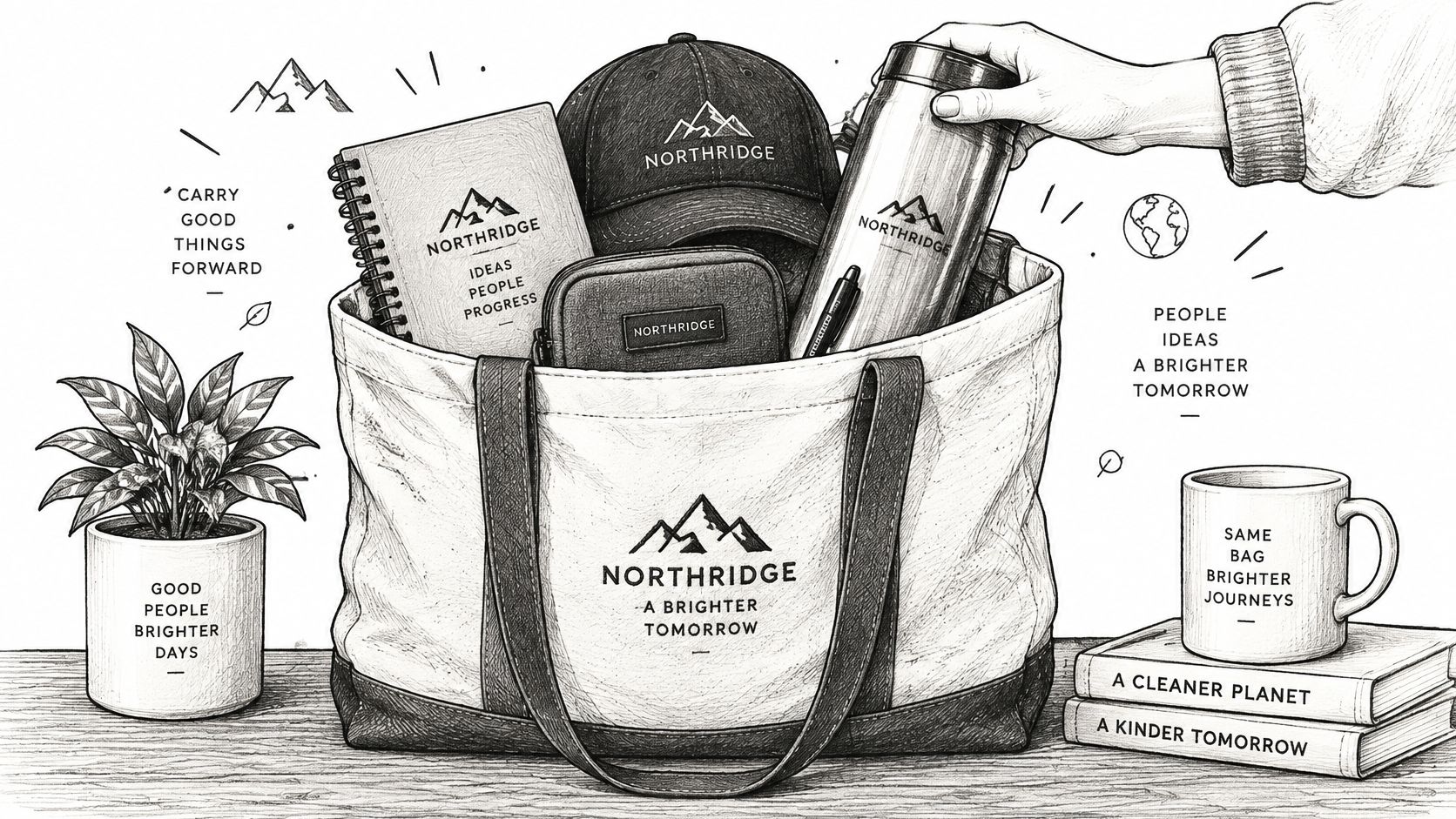
A company swag bag is a curated set of branded items delivered together. A reusable heavyweight embroidered tote can hold the collection and remain useful after an event or trip. Think of it as the welcome envelope at a good hotel: the container organizes the essentials, while what's inside communicates how the organization treats people.
Give the bag a clear job
Company swag bags generally serve distinct moments:
- Welcoming new hires. Work-ready items and a personal message make the introduction tangible.
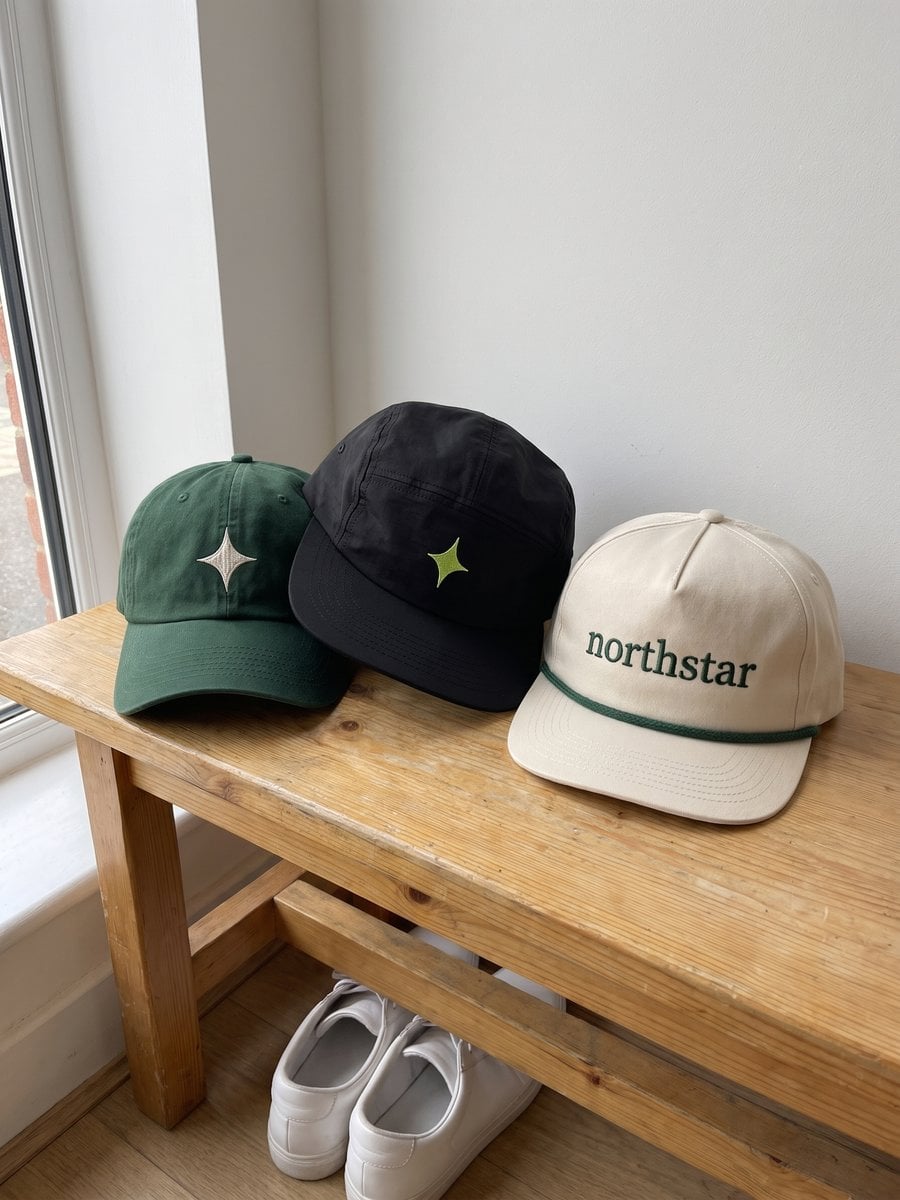
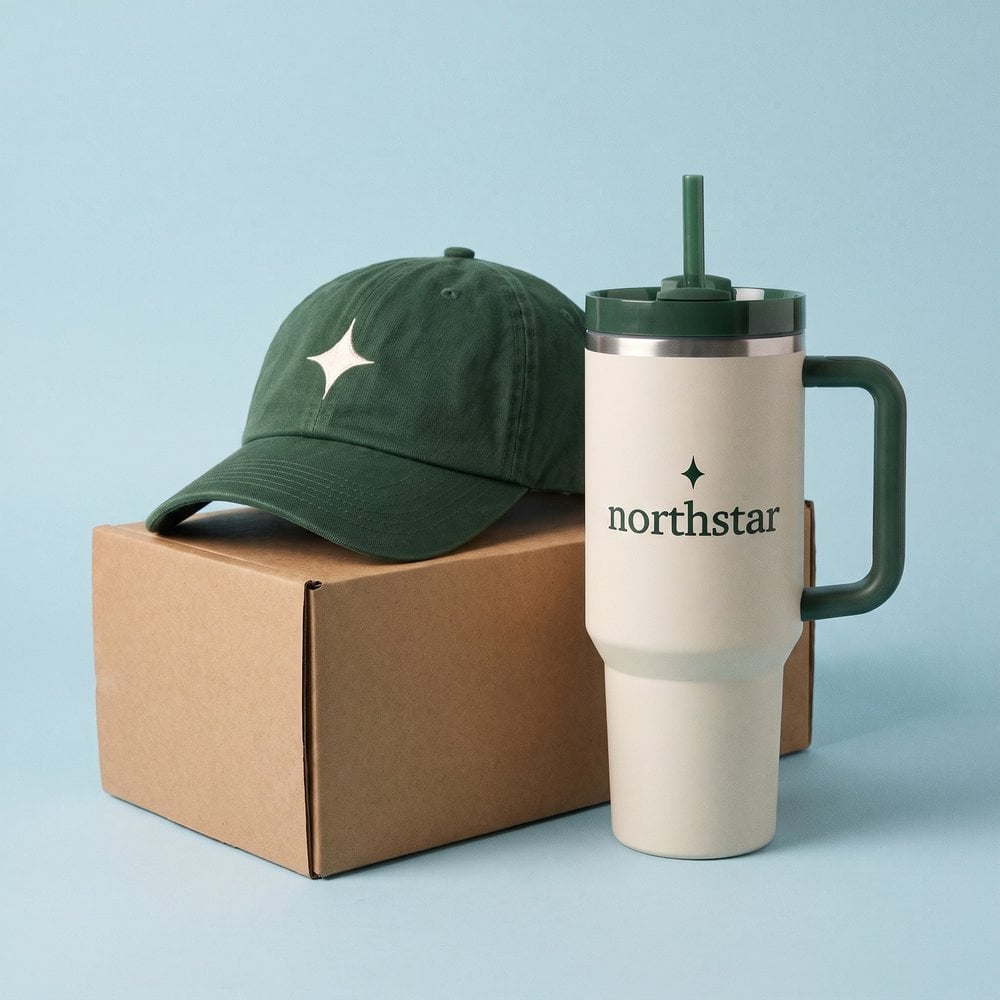
- Marking events. A tote, bottle or cap supports the attendee's experience during the gathering.
- Recognizing milestones. A thoughtfully selected gift acknowledges a contribution or service anniversary.
These aren't necessarily rare occasions. In Custom Ink's 2024 survey, 70% of U.S. employees surveyed received employer swag at least annually, while 22% received it monthly.
That frequency makes selection important. Someone who already owns suitable drinkware may not need another bottle, even if the new design looks good in a presentation. Repeating the same assortment can turn a welcome gesture into unwanted accumulation.
The tote deserves attention, but it shouldn't distract from the contents. Strong handles and durable embroidery matter because the bag has its own practical job, not because packaging can rescue poorly chosen gifts.
The usefulness test: Will this person actually use the item after the day it arrives?
Typical Kit Contents and What Each Costs
Swag kit contents and cost per employee
| Kit type | Typical contents | Cost per employee | Best moment |
|---|---|---|---|
| New-hire welcome kit | Premium tee or hoodie, notebook, matte water bottle, welcome card | $85-$140 | Shipped before day one |
| Executive welcome kit | Heavyweight hoodie, engraved leather notebook, wireless accessory, premium bottle, CEO letter | $180-$320 | Senior hires |
| Employee-wide gifting | Heavyweight tee plus one accessory | $30-$60 | All-staff recognition |
| Conference or event kit | Cap, bottle, tote, lanyard | Quote against attendee volume and production specifications | Conferences and events |
These are our program prices, not market-wide averages. The standard welcome kit includes a letterpress welcome card and ships directly to the new hire's home before their start date. The executive version adds premium finishes, including an embossed CEO letter.
Use the table to distinguish the purpose of each tier. A welcome kit introduces the employee to the organization, while an all-staff gift acknowledges a shared moment. An executive package offers a more elaborate presentation, but that doesn't mean every onboarding program needs executive-level spending.
Budget beyond the contents
Start with per-employee cost multiplied by recipient count. Then create separate budget lines for shipping, potential returns, replacements and unused stock. Don't assume the product price captures every operational expense, particularly when recipients work across borders.
Ask for a written scope that separates garment selection, decoration, personalization, packaging and delivery. For event kits, specify attendee volume and destination before comparing quotes. A cap with embroidery and a personalized tote shouldn't be compared with an undecorated assortment as though they're equivalent.
Allocation matters as much as the overall budget. If funds are constrained, protect the item employees are most likely to use and simplify the rest. A better garment with a considered card is a clearer choice than extra accessories added only to make the package look full.
Spend most deliberately on moments that support a meaningful transition or acknowledge a contribution. Keep event kits lean enough that attendees can carry everything home.
Before approving production, confirm the exact contents of each configuration. A hoodie-based welcome assortment and a tee-based assortment can serve different climates and budgets, even when they belong to the same program.
Using Swag Bags to Onboard New Hires
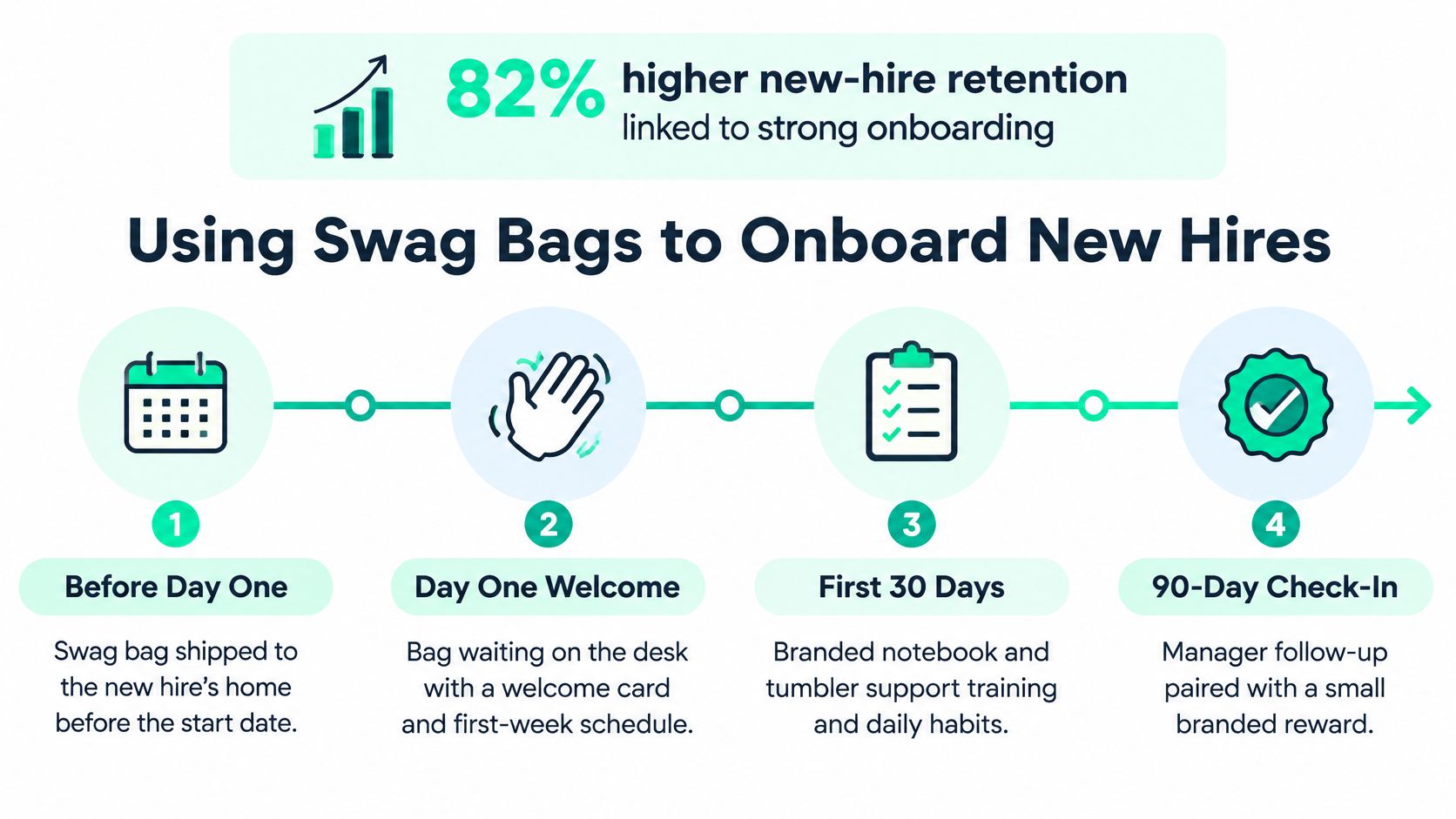
Onboarding works as a system, not as a gift delivery. Research attributed to Brandon Hall Group and summarized by Chanty's onboarding statistics guide links strong onboarding programs with approximately 82% higher new-hire retention and more than 70% higher productivity. Those findings concern the surrounding onboarding program, not merchandise alone.
Use the timeline to coordinate the physical welcome with manager contact and readiness milestones.
Coordinate the welcome with the work
Trigger fulfillment after offer acceptance. Confirm the recipient's address, clothing preference and delivery consent before releasing the order. Our integrations with major HRIS providers support onboarding-triggered kits, so the shipment can become part of the hiring workflow rather than a separate reminder.
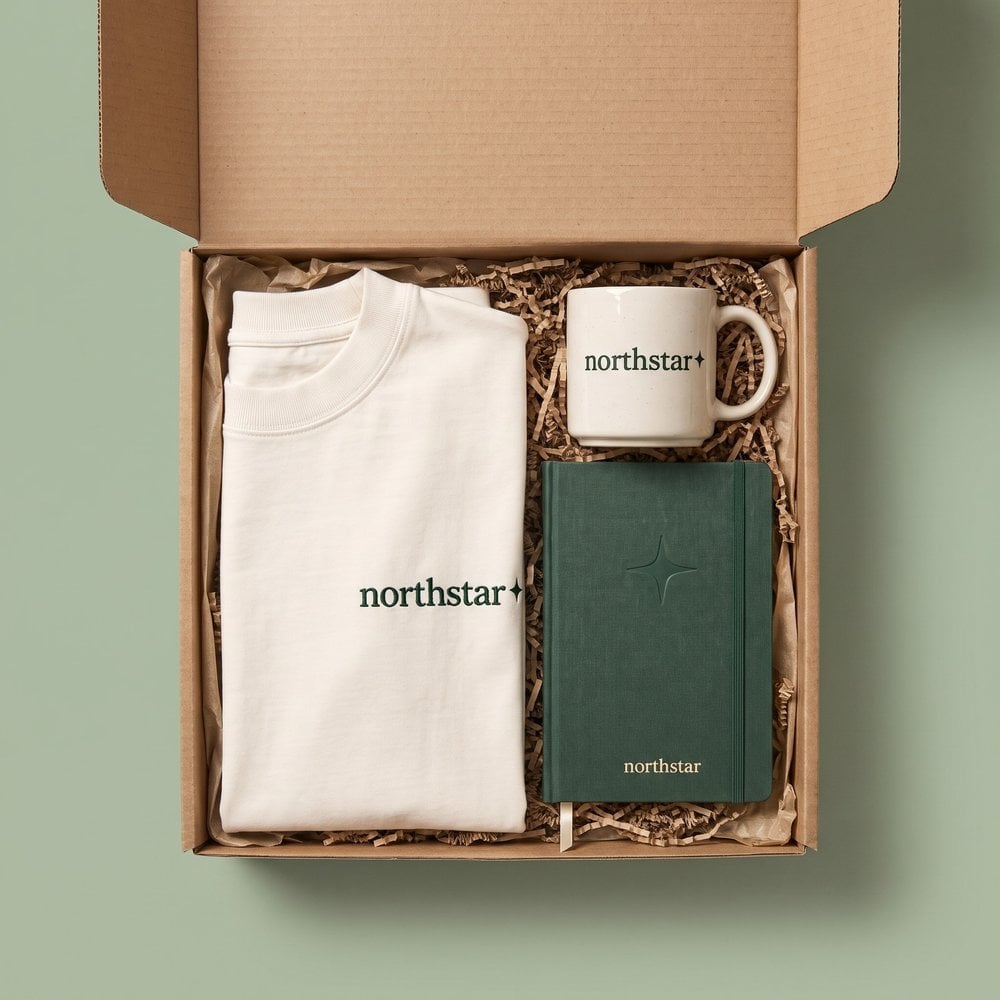
Send useful items before the start date. Our four-piece new-hire configuration contains a premium tee, branded notebook, matte water bottle and welcome card. Give the employee a clear delivery notification so they know what's arriving and whom to contact if the address changes.
Pair the package with working access and a manager introduction. The employee still needs credentials, equipment and a named person who can resolve problems. A bottle won't compensate for a locked account or an empty calendar.
Include a first-month readiness checklist. Add team norms, key contacts, initial learning goals and a personal manager note. Keep sensitive credentials out of the physical package, and place changing information in the employee's onboarding workspace.
Evaluate the whole onboarding cohort. Track time-to-productivity, checklist completion, new-hire satisfaction and early attrition against a pre-program baseline. Define productivity by role, such as independently completing an agreed task, rather than relying on a vague manager impression.
Our employee onboarding kit guide can help translate those decisions into a fulfillment brief. For the gift-selection side, California Cowboy's guide to choosing gifts employees actually keep provides a useful companion perspective.
Keep ownership explicit
Assign an owner for failed deliveries and another for onboarding readiness, even if the same person holds both responsibilities. Record changes to manager training, equipment setup or onboarding content alongside the kit launch, so you don't attribute every improvement to merchandise.
The video offers another format for discussing the onboarding workflow with colleagues.
Treat the cited onboarding figures as directional benchmarks from older, frequently republished research, not guaranteed effects of a swag bag.
Choosing Items People Will Actually Use
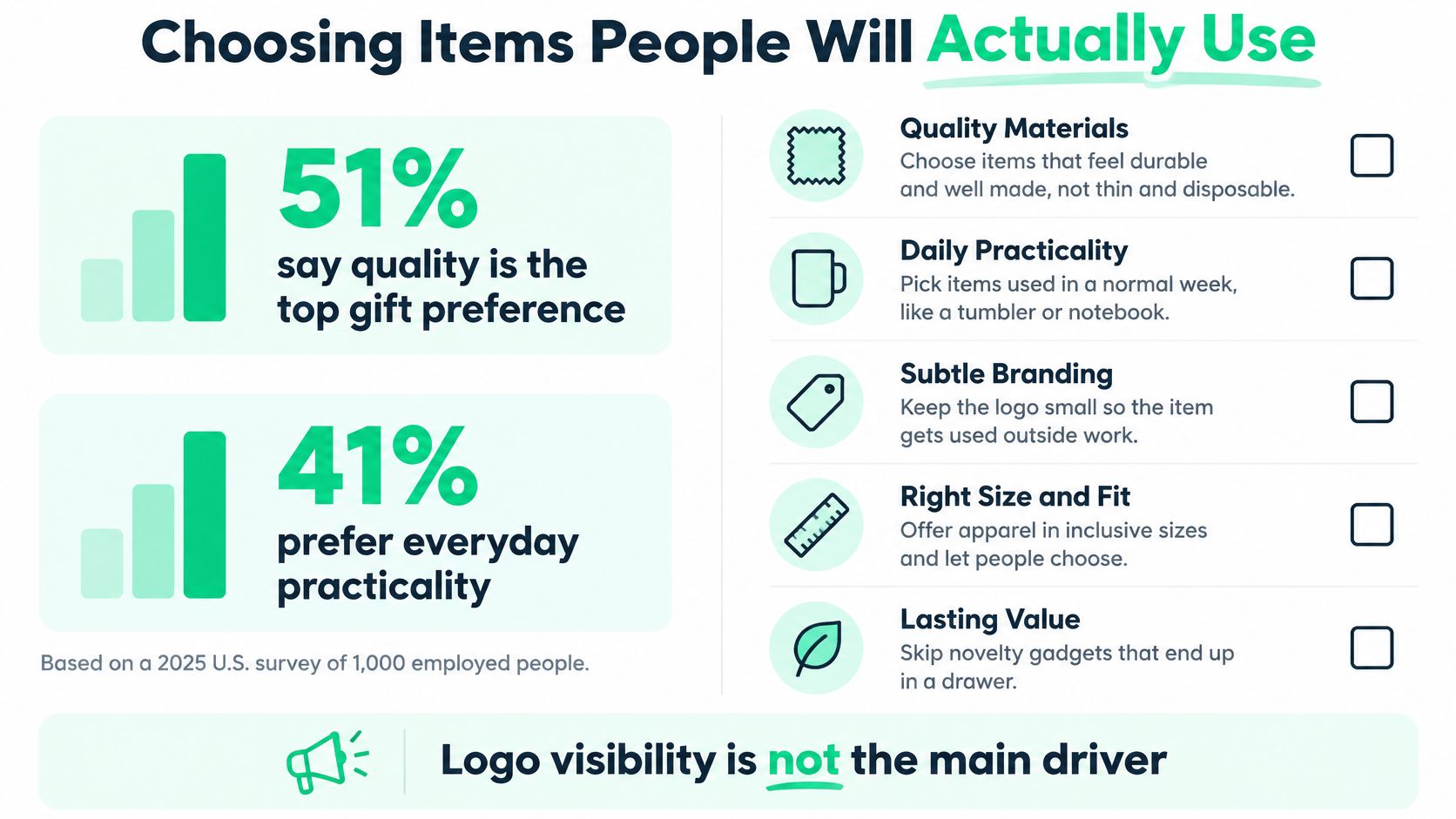
In a 2025 U.S. survey of 1,000 employed people, 51% identified quality as a leading gift preference and 41% identified everyday practicality, according to VistaPrint's corporate gifts survey. That's a stronger starting point for selection than deciding how large the logo should be.
Quality and practicality aren't interchangeable. A beautifully finished notebook can still be irrelevant to someone who works entirely digitally. Conversely, a useful bottle becomes frustrating if its lid leaks or its finish deteriorates.
The selection priorities below translate those preferences into a practical review.
Screen the product, not just the mockup
- Daily-use frequency. Identify where the item fits: a commute, a home workspace, training sessions or ordinary leisure. Reject products whose usefulness requires an elaborate explanation.
- Durable decoration. Inspect a decorated sample, not only the blank garment. Check embroidery backing, seams and the finish after washing according to the care instructions.
- Accurate color reproduction. Approve physical samples against the brand specification. Fabric, thread and print can render the same artwork differently.
- Size-inclusive apparel. Provide garment measurements and fit guidance. Don't substitute a smaller size when someone's requested fit isn't available.
- Climate suitability. Offer a lighter alternative where a heavyweight layer would be uncomfortable.
- Remote-work relevance. Avoid items that depend on office attendance or access to facilities the recipient doesn't use.
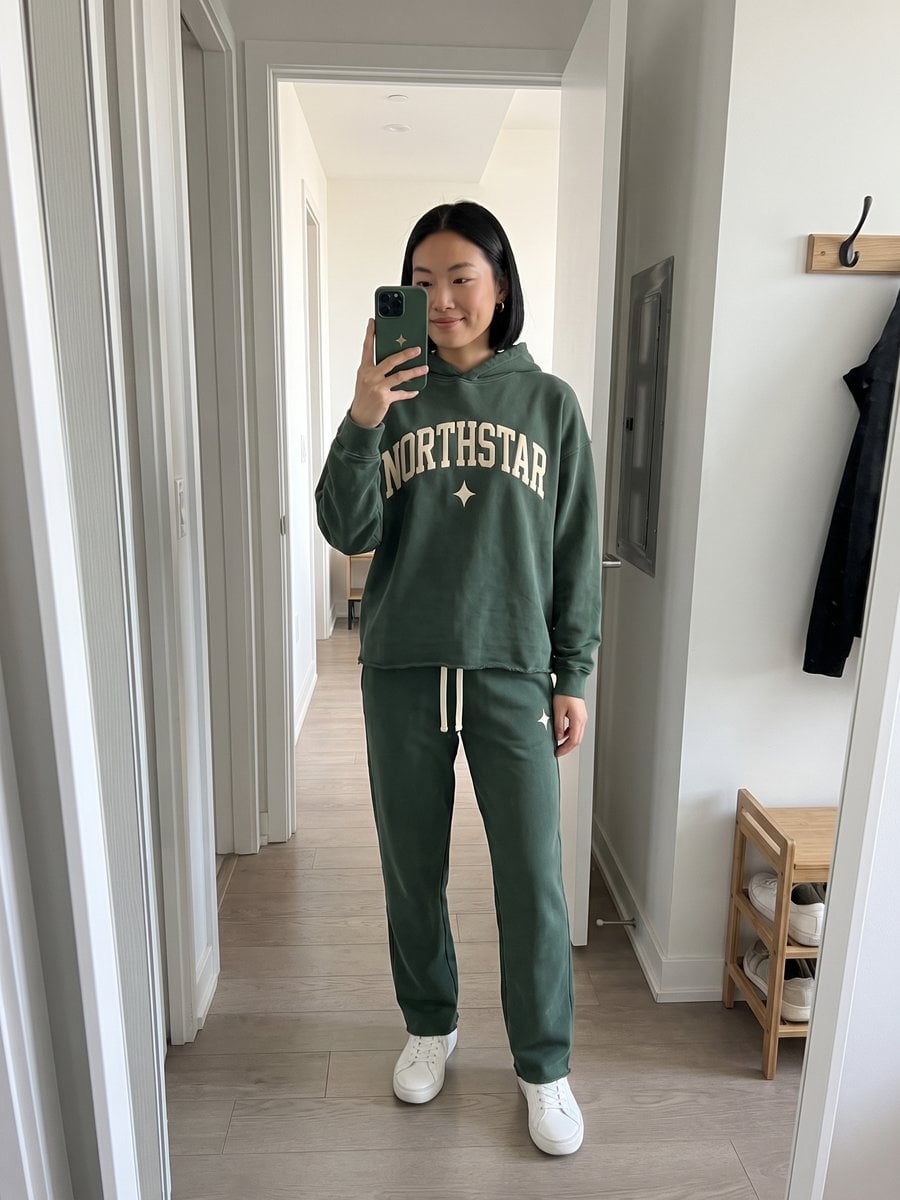
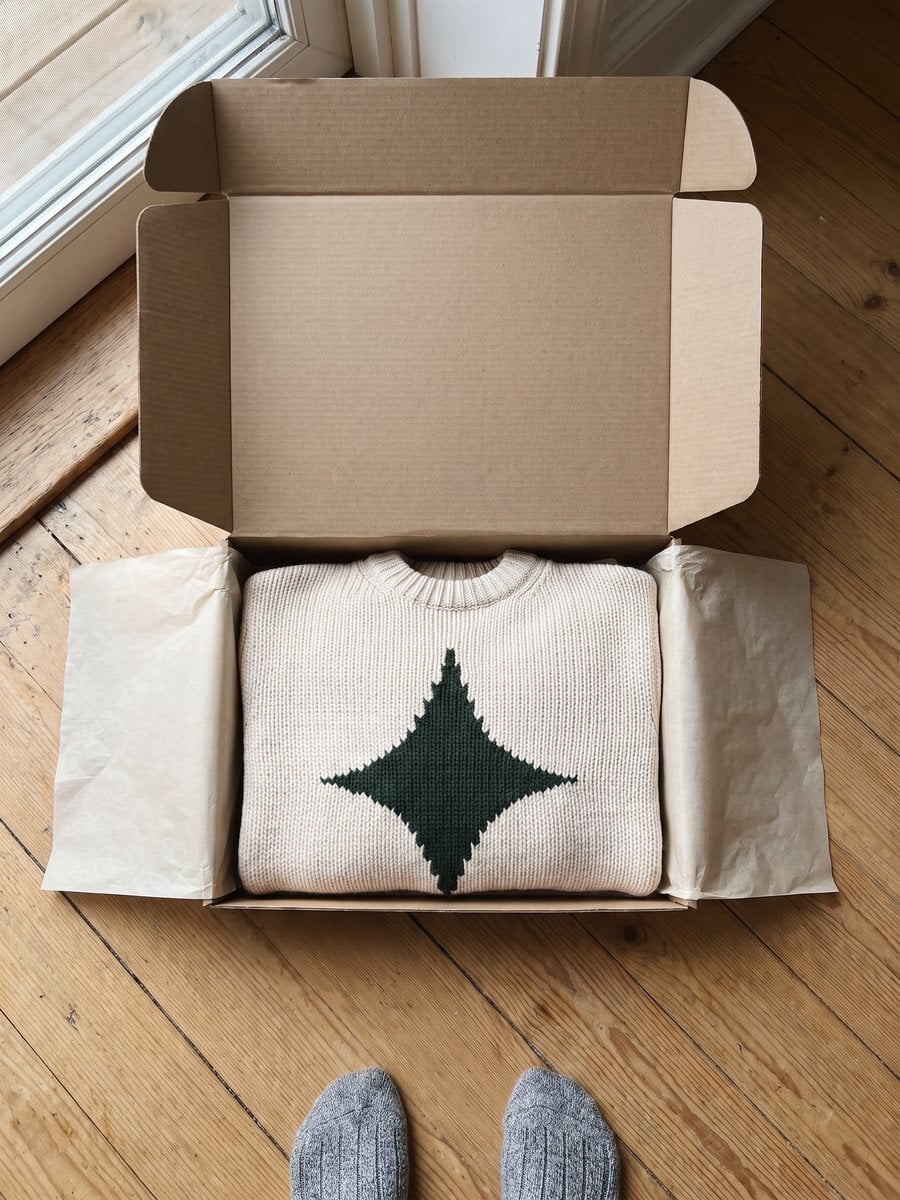
Our default welcome-program garment is an embroidered hoodie with a tonal chest mark on a 14oz heavyweight blank. Treat that as a starting point for curation, not a reason to send the same layer to every employee regardless of location.
Make choice easy and equitable
Offer a short assortment with clear differences, such as a warm layer, a lighter garment and a non-apparel option. Too many near-identical choices make selection harder without helping people express a meaningful preference.
For example, a remote employee in a warm climate might choose a tee, while a colleague who commutes in cooler weather chooses the hoodie. Both should receive a gift that feels equally considered. Check dietary needs before including food, and show local availability before employees make their selections.
Include a no-swag option or an appropriate digital benefit, subject to internal policy and local requirements. Opting out shouldn't require an employee to explain their finances, storage constraints or personal preferences.
Measure selection completion, repeat use and opt-outs separately. An unclaimed invitation may indicate a confusing redemption process, while a deliberate opt-out may mean the employee doesn't want a physical gift.
Choice succeeds when employees can decline the default without losing the feeling of being included.
Running Swag Bags for Events and Recognition
An attendee arrives at a conference, receives a tote and uses the bottle inside during sessions. After traveling home, they keep the tote by the door for commuting or shopping. That's a more useful outcome than leaving with a bulky assortment they can't fit in their luggage.
Our conference kit includes a cap, bottle, tote and lanyard, produced at any scale. The heavyweight branded bag carries an embroidered event logo, and the embroidered canvas Attendee tote can include an optional attendee name. The conference swag program provides a starting point for matching that format to the gathering.
Give each event item a role
For the conference scenario, the bottle supports use during sessions, the lanyard carries credentials, and the tote holds the collection. The cap should earn its place through audience fit, not just because there's room left in the bag.
An independent MarketTools panel reported by Chief Marketer found that, among people who had seen at least two promotional products during the year, 82.6% recalled the brand or company associated with the first item and 74.8% recalled its message. Because the study dates to 2009, use the pattern of recall through retained merchandise, not the percentages, as the planning lesson.
Make recognition specific
For a service anniversary, the employee might choose a heavyweight hoodie from a short list. Pair it with a manager's note describing their contribution, rather than relying on the garment to explain why they're being recognized.
The event and anniversary packages have different purposes. Event planning must account for carrying capacity, collection queues and travel; recognition planning should prioritize the employee's preferences and the meaning of the milestone.
Evaluate accordingly:
- Event recall. Ask what brand and message attendees remember before showing prompts, then use aided questions.
- Product performance. Track damage, replacement requests and reported use.
- Recognition fit. Review employee selections and feedback about whether the gift suited the occasion.
Don't treat replacement requests as an automatic success signal. They can indicate enthusiasm for an item, but they can also reveal a defective product.
Choosing Direct-Send Kits or a Swag Store
Direct-send means shipping a defined kit to an employee for a scheduled moment. A company swag store is a branded internal storefront where employees choose items using credits or allowances allocated by People Ops.
Neither format replaces the other. Direct-send gives the team control over timing and presentation; a store gives employees control over selection. A hybrid combines scheduled welcome, anniversary and executive gifts with self-service access for everyday requests.
| Operating need | Better starting point | Reason |
|---|---|---|
| A coordinated welcome | Direct-send | People Ops controls the occasion and delivery |
| Everyday employee requests | Swag store | Employees select without individual email handling |
| Milestones plus ongoing access | Hybrid | Different workflows serve different purposes |
| Distributed departmental spending | Managed store | Teams can consolidate oversight |
Use thresholds as prompts, not verdicts
Our working rules are planning heuristics, not industry benchmarks:
- Under 200 employees, start with direct-send when needs are predictable. A smaller team can run scheduled programs without necessarily adding a storefront.
- Above 200 employees, consider adding a store. More recipients and regional requirements make self-service worth evaluating.
- More than ten employee swag requests a month signals a store requirement in our planning approach. Repeated individual requests create administrative work that a structured selection process can replace.
- Use a hybrid when both scheduled moments and everyday demand matter. Don't force anniversary gifting and replacement requests through an identical workflow.
A store should do more than display products. Our store goals are to replace manual operations, provide self-service choice, present the employer brand and consolidate regional spending.
Assign responsibility for eligibility, allowances, catalog approval and exceptions before launch. Otherwise, employees may gain a storefront while People Ops still handles every decision behind it.
Use the company swag store guide to frame that operating model. Before choosing a setup, review recent monthly request volumes and headcount by region, including seasonal peaks. Those actual patterns should carry more weight than a headcount threshold alone.
Managing Distribution, Inventory and Lifecycle Impact
A recycled-material label doesn't establish the impact of an entire swag program. Procurement teams also need to examine production volumes, delivery routes, packaging, returns and what happens when an item is no longer wanted.
The practical question is whether the program supplies something useful with a defensible production and distribution process. Don't assume a premium garment is automatically better, or that a nominally greener accessory wins regardless of whether anyone uses it.
Build evidence into operations
Forecast demand before committing stock. Use hiring plans, accepted offers, event registrations and employee selections. Apply made-to-order production where feasible, and separate confirmed demand from contingency quantities.
Compare complete options per recipient. Consider a garment's expected use, care needs and likely lifespan alongside a non-product reward. Avoid claiming an environmental advantage without evidence covering the relevant comparison.
Assess delivery routes. Estimate shipping emissions per recipient using shipment weights, distances and transport modes with a documented method. Consolidate international shipments where a regional hub makes operational sense, without ignoring the final delivery leg.
Plan repair, take-back and packaging. Establish what can be repaired or collected and who will manage it. Protect bottles and decorated garments without unnecessary layers of packaging.
Publish only supportable supplier claims. Request product origin and certification documentation for the specific goods ordered. A supplier's general sustainability statement isn't proof that every item in its catalog carries the same credentials.
Check the difficult cases early
For international programs, have the appropriate internal specialist review tax treatment, import requirements and customs responsibilities before dispatch. Tell recipients whether they'll need to provide information, and avoid surprising them with delivery-related charges.
Track returned parcels, failed deliveries, damaged goods and replacements in the same operational record. Those records help distinguish an unpopular item from an otherwise suitable item that never arrived.
Procurement check: If you can't explain what an environmental claim covers, narrow the claim before publishing it.
Recipient choice belongs in this assessment because ordering an unwanted item still consumes resources. Regional suitability matters for the same reason: a product can be well made and responsibly sourced yet remain a poor choice for its destination.
Plan Your First Company Swag Bag Program
Start with a defined pilot and a written decision record. People Ops, procurement, brand and the fulfillment owner should agree on the recipient experience before anyone approves production.
Material preferences deserve consideration without becoming the entire impact strategy. BlinkSwag's promotional gifting statistics summary reports that 68% of surveyed consumers identified recycled or reusable materials as their leading sustainability preference. That preference supports asking better sourcing questions, not making an unsupported claim about the finished program.
Turn decisions into a launch brief
Choose the moments. Specify whether the pilot supports onboarding, an event or recognition. Give each occasion a named owner and a clear recipient group.
Set the budget. Select the appropriate kit tier and approve a landed-cost scope, including the operational allowances your team will need.
Approve the assortment. Choose a default, meaningful alternatives and an opt-out path. Obtain decorated samples before signing off on the catalog.
Choose the delivery model. Match scheduled shipments and self-service access to actual demand. Record who authorizes orders and handles exceptions.
Authorize production and distribution. Confirm demand, regional availability, documentation and packaging. Use on-demand production where it fits the schedule and product.
Record the baseline and review criteria. Define adoption and opt-outs consistently, and use role-specific readiness measures for onboarding. For events, decide what recall questions you'll ask before the gathering takes place.
Scope the provider relationship
Our platform supports on-demand production and region-local fulfillment, with no upfront commitment and no warehousing fees for company swag orders. Begin by reviewing our custom hoodie and embroidered hoodie options so the scope reflects the relevant decoration defaults.
Confirm current program terms directly with us before approval, including the selected configuration, destinations and responsibilities. A written scope keeps the promise to employees aligned with what the team can deliver.
FLYP LTD offers managed company swag programs, employee-choice stores and on-demand production with region-local fulfillment. Visit FLYP LTD to scope a welcome kit or recognition pilot, bringing your recipient locations, preferred assortment and budget so the program starts with a clear operational brief.