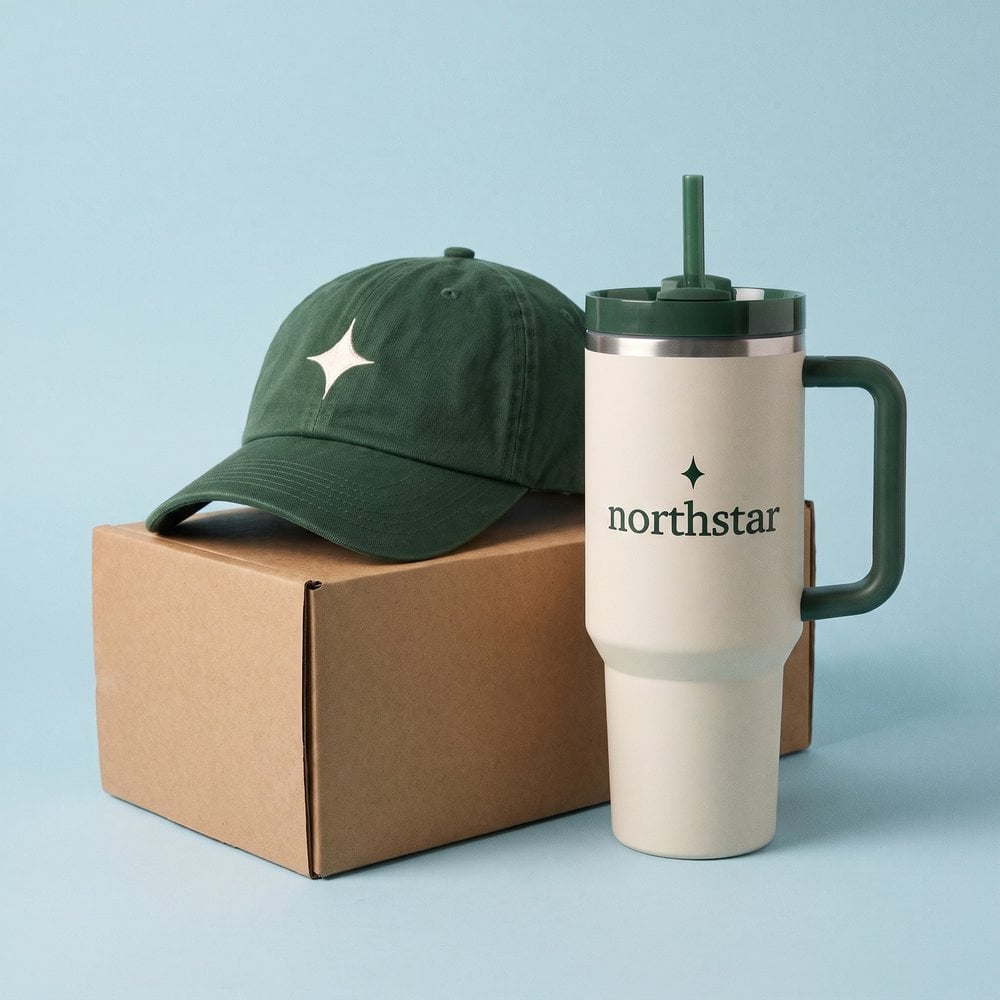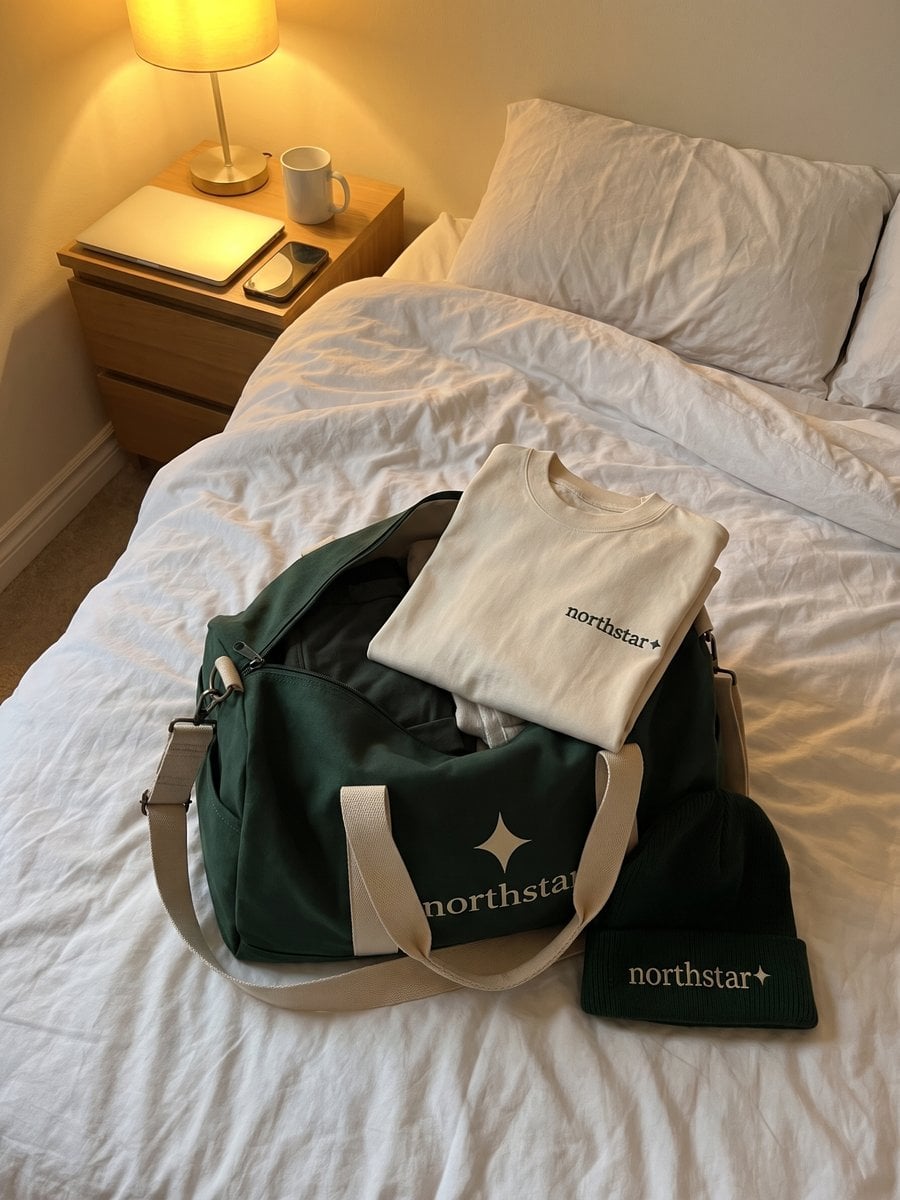
Your team commits a large budget to branded tote bags, approves the artwork, and arranges delivery to the venue. Then, in an all-too-plausible scenario, you find half the bags abandoned on the floor after the closing session. Attendees already had bags, couldn't fit another in their luggage, or didn't want the design.
The mistake wasn't choosing a tote. It was ordering before deciding who would want it, how they'd use it, and what would happen to anything unclaimed. A useful giveaway for a local employee gathering can be an awkward burden for someone flying home from a conference.
Start with the attendee: A giveaway earns its place when the recipient wants it and your team can distribute it without creating unnecessary work or waste.
The strongest event giveaway ideas aren't necessarily the newest products. They're formats you can match to an audience, a fully loaded per-head budget, and a realistic fulfillment plan. For exhibition-specific inspiration, these event giveaway ideas for trade shows provide another useful starting point.
Treat the options below as decisions rather than a shopping list. Each has a different reach, cost structure, and leftover-stock problem. You don't need every format, just the ones your audience will welcome.
Table of Contents
- 1. Limited-Edition Merch Drop
- 2. New-Hire Welcome Kit
- 3. Employee-Choice Swag Store
- 4. Social Media Giveaway Contest
- 5. Event Raffle or Prize Draw
- 6. Co-Designed Apparel Contest
- 7. QR Code Scavenger Hunt
- 8. Tech Accessory Giveaway
- 9. Experience or VIP Access Giveaway
- 10. Matched Donation Giveaway
- How the ten giveaway formats compare on audience, cost, and logistics
- Match Each Giveaway to Your Audience and Budget
1. Limited-Edition Merch Drop
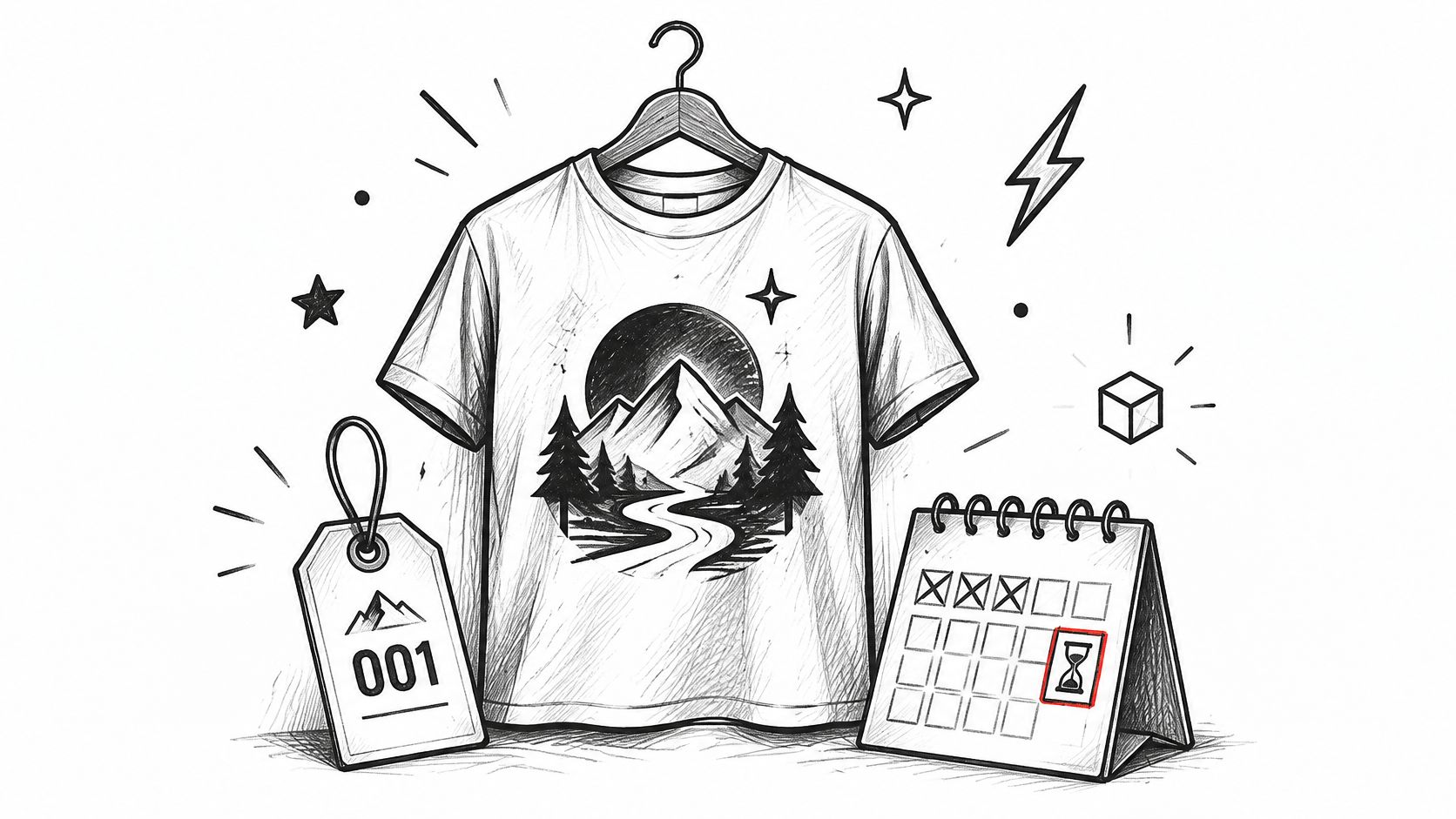
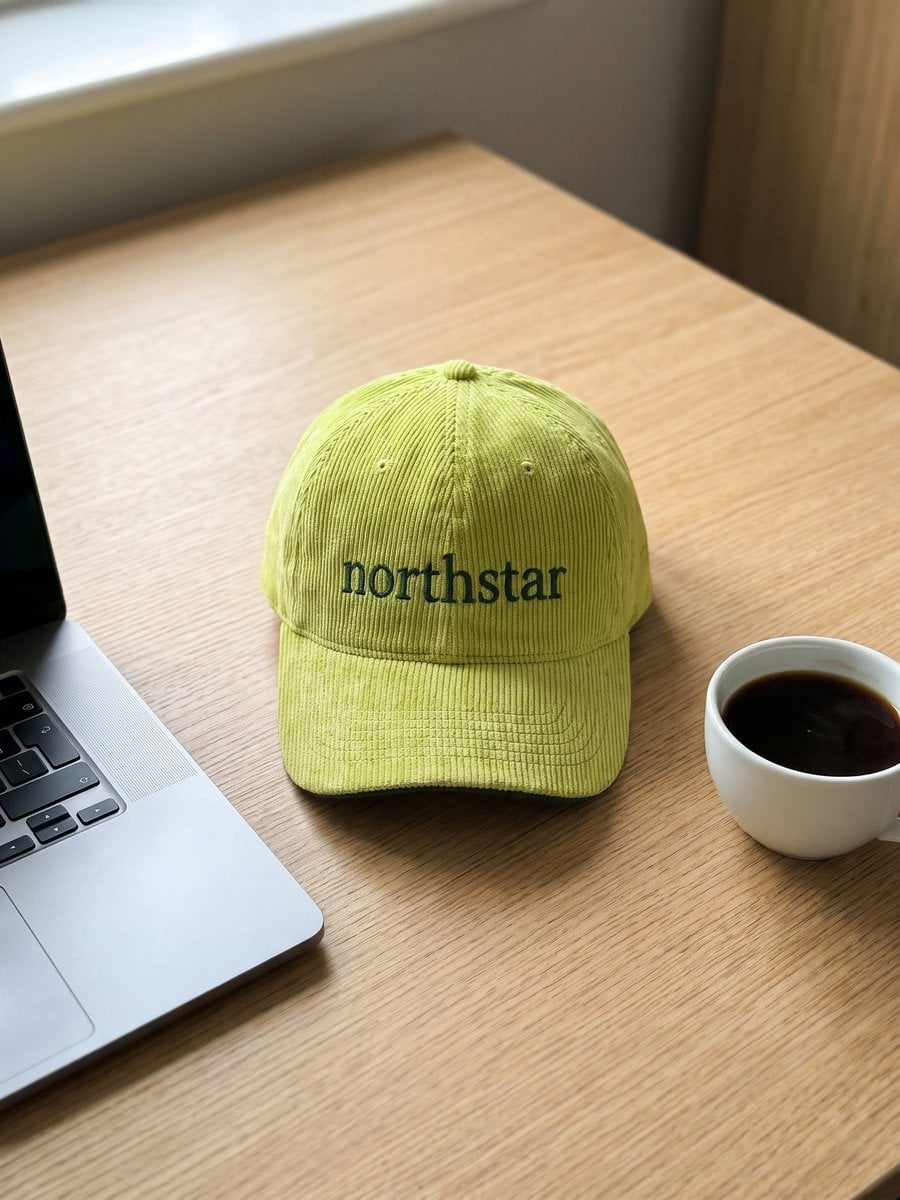
A limited drop works when attendees already care about the community behind the merchandise. For a developer conference, that might mean a heavyweight tee featuring artwork inspired by the event's technical theme, rather than a sponsor logo enlarged across the chest.
Who it reaches: Existing fans, employees, returning attendees, and community members who recognize the design's significance. Scarcity won't make an unwanted shirt desirable, so preview the artwork and collect interest before production.
The underlying opportunity is longevity. The PPAI fact book reports that 58% of recipients keep a promotional item for at least a year, supporting the case for merchandise worth keeping beyond the event.
Control the release, not just the quantity
- Cost per head: Include garment sampling, decoration, packing, and individual delivery. Calculate cost per successful claim, not just cost per shirt ordered.
- Leftover stock: Use a claim window and on-demand production when demand is uncertain. If you produce in bulk, avoid prominent dates that prevent future use.
- Fair access: Publish eligibility and claim limits, and offer a non-wearable alternative so participation doesn't depend on garment fit.
Use it when the event has a recognizable identity and attendees would choose the design without an oversized logo. Don't manufacture exclusivity around an ordinary promotional shirt.
2. New-Hire Welcome Kit
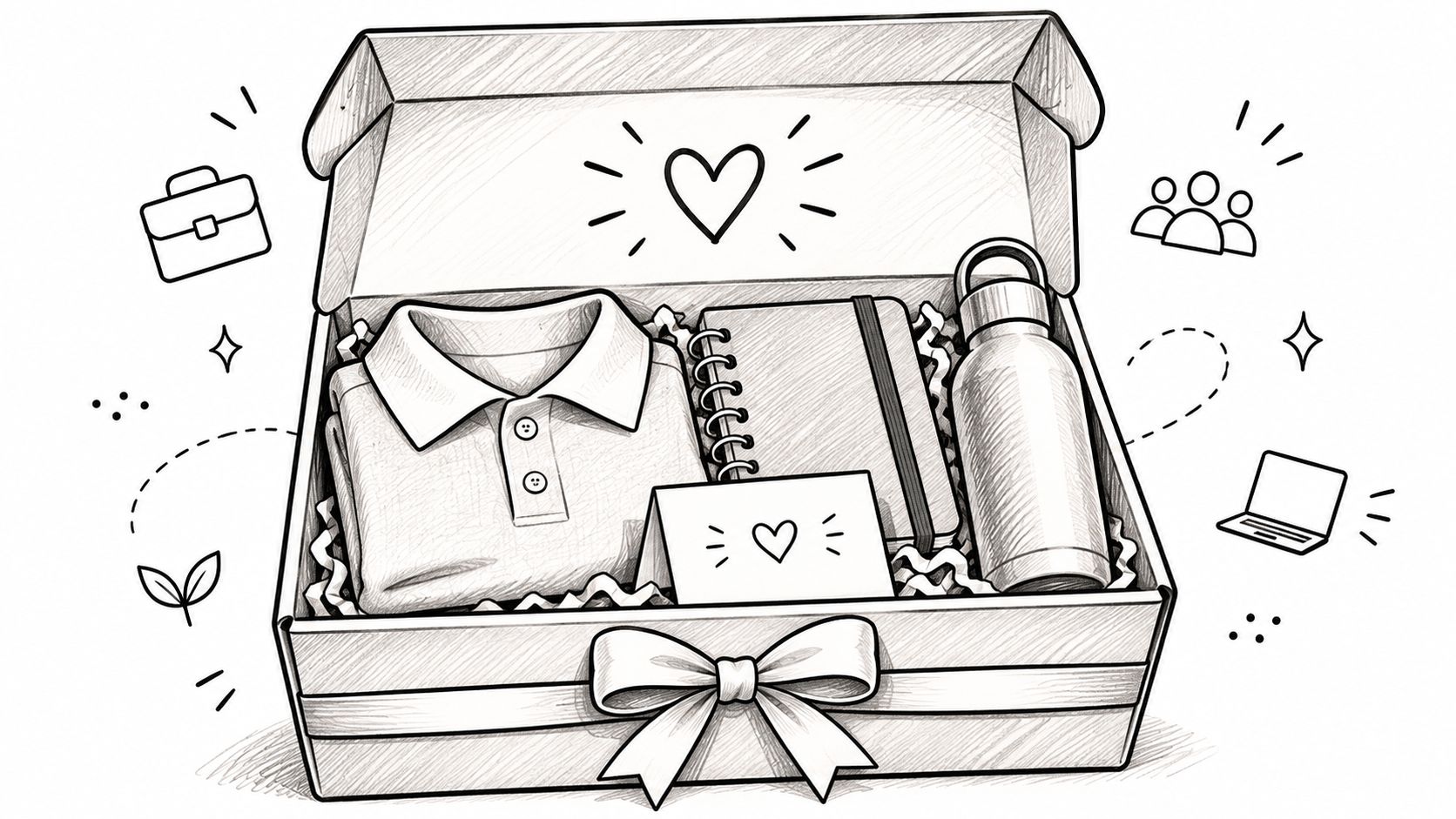
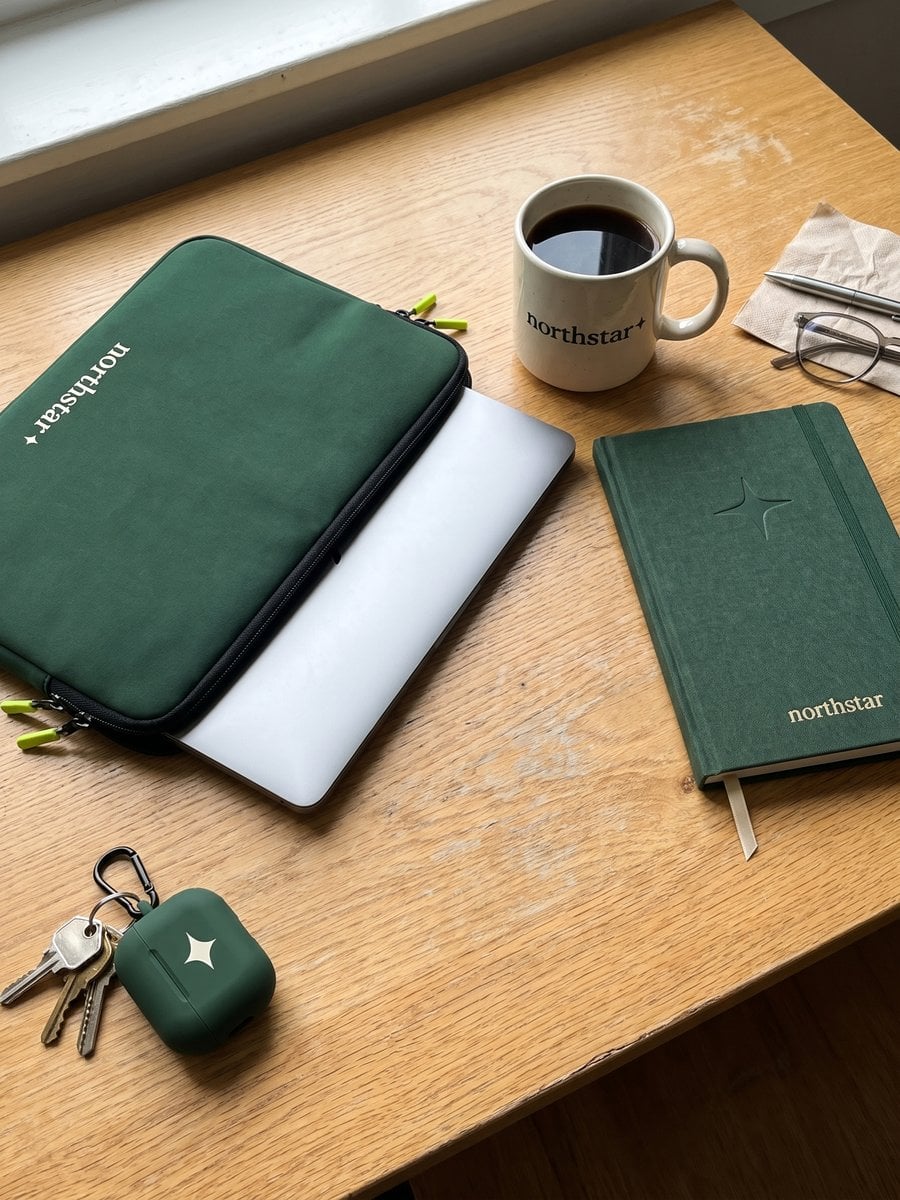
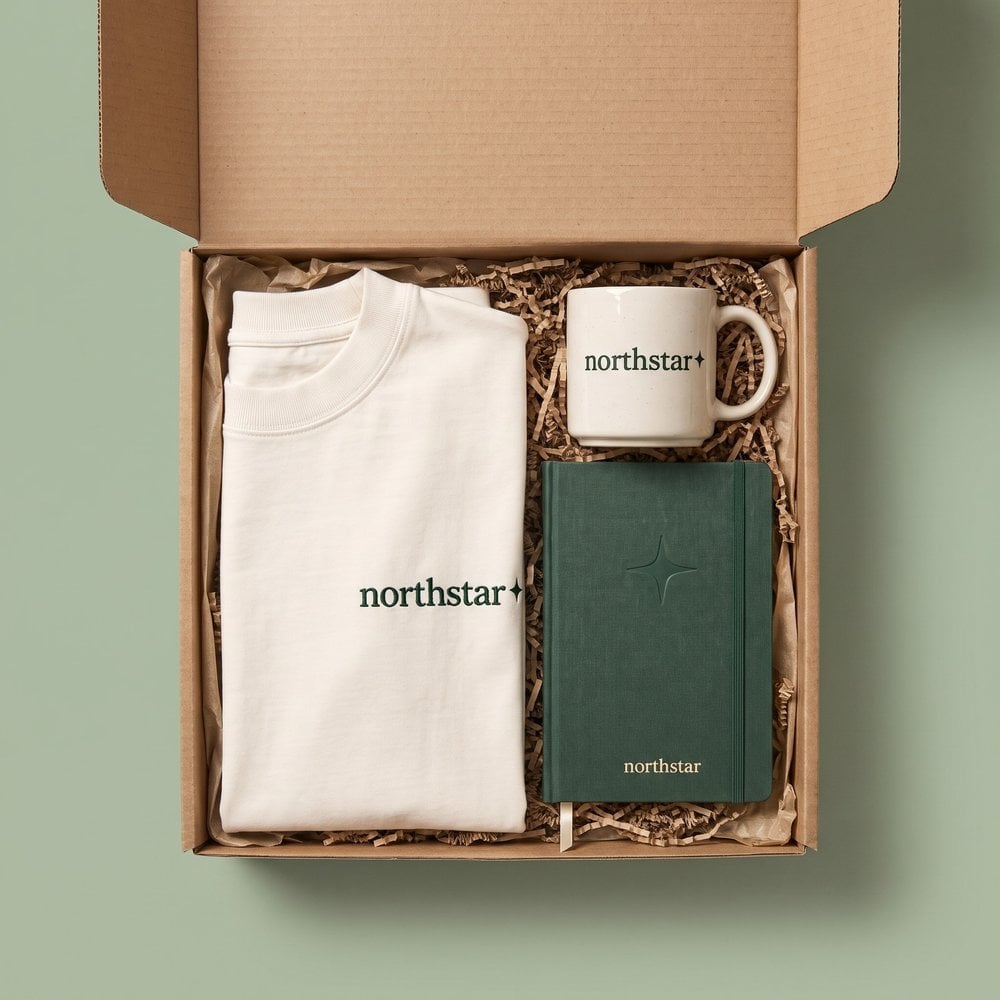
A welcome kit should communicate preparation, not purchasing power. A well-fitting shirt, useful notebook, and personal note make more sense than a large box filled with items a new employee has to store.
Consider a remote hire joining an induction event. Collect their delivery details and preferences privately, confirm the start date with the hiring team, and make sure someone owns failed deliveries. A new-hire welcome package should complement onboarding, not become another task the employee has to chase.
Who it reaches: A known recipient at a specific moment. That makes personalization practical, but employment changes and delayed starts need an exception process.
Budget for a delivered welcome
Cost per head includes the products, packaging, pick-and-pack labor, shipping, duties where applicable, and replacement handling. Elaborate rigid boxes can consume money better spent on a garment people will wear.
Keep the kit modular. Store reusable core items separately from welcome cards, then assemble after confirmation rather than holding finished boxes for speculative hires.
Leftover stock can support later onboarding cohorts if the design remains evergreen. Named items and dated inserts are harder to reuse, so produce those only after recipient confirmation.
Use it when you can connect the shipment to a reliable onboarding workflow. Don't make delivery a condition of joining the induction or feeling included.
3. Employee-Choice Swag Store
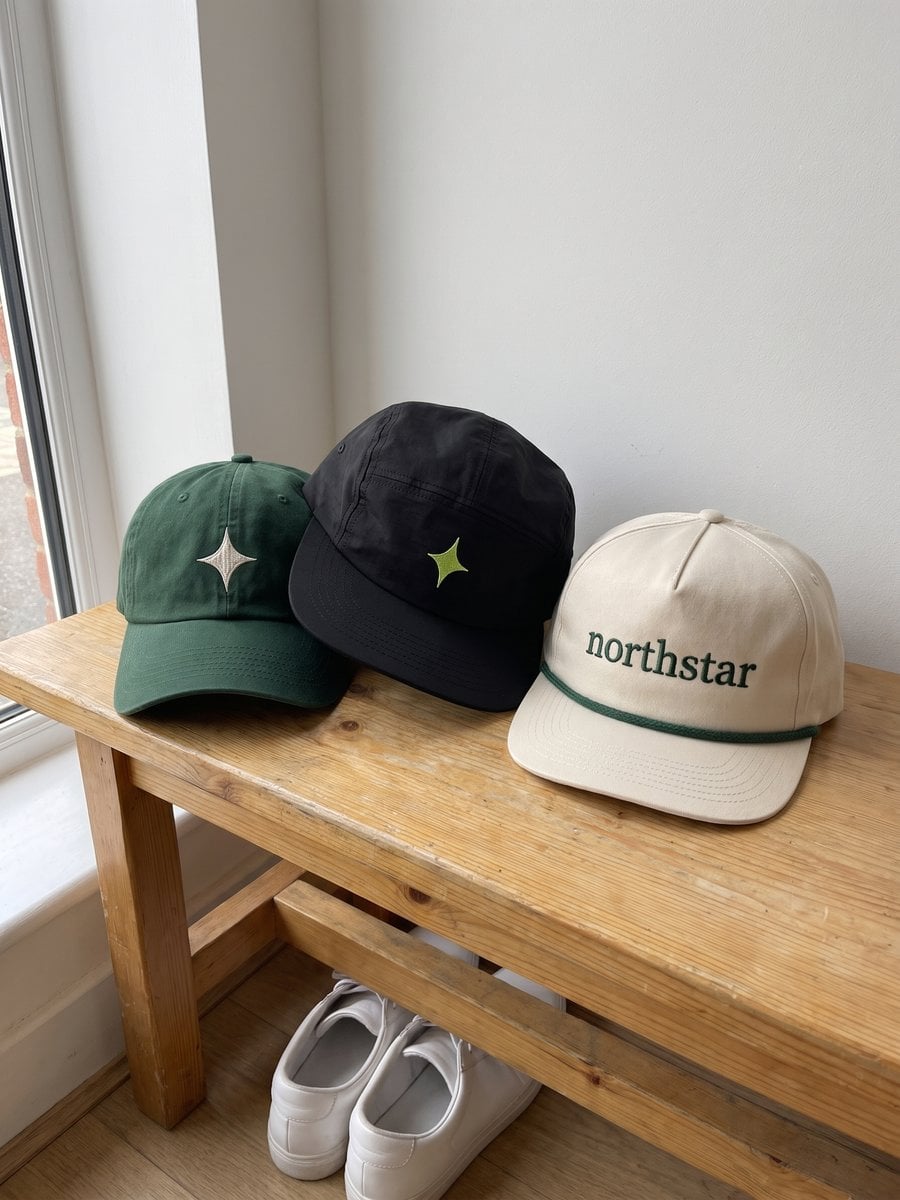
Choice is useful when the audience shares an employer but little else. Someone working from a compact apartment may want a notebook; a field employee may prefer a cap; another employee may want no physical merchandise.
A corporate swag store gives that variety a controlled home. For an internal summit, invite employees to redeem an allowance before the event and choose whether to collect their selection or receive it at home.
Who it reaches: Distributed teams with different climates, sizes, working patterns, and tastes. Keep the catalog curated rather than turning it into an endless merchandise directory.
- Cost per head: Budget against expected redemptions, then include platform administration, fulfillment, delivery, and exchanges. Distinguish allocated allowances from actual spending.
- Leftover stock: On-demand products avoid finished-goods overstock, while stocked products need a clear path into later recognition or onboarding programs.
- Accessible choice: Include non-wearable products, readable size guides, easy-to-open packaging, and an option to decline without explanation.
An unused allowance isn't automatically a failure. It may mean an employee didn't need another physical item.
Review products people ignore as carefully as those they choose. Remove confusing variants and investigate whether shipping restrictions or poor fit information are blocking redemption.
Use it when preferences vary and your team needs repeatable self-service. It's less suitable when attendees need an immediate, uncomplicated handout.
4. Social Media Giveaway Contest
A prize can attract entrants who will never become customers, candidates, or attendees. Giving away an unrelated premium device may generate activity while telling you little about interest in your event.
Choose a prize that filters for relevance. A design conference could offer an event pass bundled with a portfolio-review session and event merchandise, rather than a generic electronics prize.
Who it reaches: Your existing followers and people reached through public participation. It doesn't reliably distinguish genuine prospects from habitual competition entrants.
Keep entry simple and follow-up relevant
Publish official terms covering eligibility, entry methods, opening and closing arrangements, winner selection, notification, and prize delivery. Have the promotion reviewed for the jurisdictions and platform involved; don't assume a familiar comment-to-enter format is automatically compliant.
Cost per head should be evaluated per eligible entrant or relevant follow-up action. Include creative production, moderation, legal review, advertising, fraud checks, and fulfillment, not just the prize.
Leftover stock is usually limited because only winners receive products. The bigger risk is an unclaimed prize, so define a response deadline and alternate-winner process before launch.
Keep contest administration separate from marketing permission, and don't add everyone to a sales sequence merely because they entered.
Use it when your audience is active on the chosen platform and the prize relates directly to the event. Avoid it when your actual objective is meaningful engagement with a small, known employee group.
5. Event Raffle or Prize Draw

A prize draw can bring people to a booth. It can't tell your sales team whether those visitors have buying intent.
For a customer conference, offer a relevant premium prize, such as access to a specialist workshop, and keep entry separate from the qualification conversation. Badge scanning can simplify administration, but staff should explain what information they're collecting and why.
Who it reaches: Attendees willing to enter, including people interested only in the prize. Record prize participation separately from qualified leads.
- Cost per head: Divide total prize and administration costs by eligible participants, then assess cost per qualified conversation separately. Don't report every scanned badge as a sales opportunity.
- Leftover stock: Keep the prize pool narrow and document what happens if a winner declines. Avoid purchasing bulky prizes that nobody has agreed to transport.
- Delivery: Collect addresses securely after verification, confirm shipping eligibility, and give winners a named contact.
Plan contest prize fulfillment before announcing the reward. A winner shouldn't have to negotiate shipping after the event.
Check the format with legal counsel before calling it a raffle, sweepstakes, or prize draw, particularly if payment or charitable fundraising is involved.
Use it when you want a clearly bounded engagement activity. Don't substitute it for a useful booth experience or transparent lead qualification.
6. Co-Designed Apparel Contest
Invite employees to design the shirt for an annual gathering, and the giveaway becomes something they helped make. The practical challenge is producing artwork that works on fabric, not merely looks good in a presentation.
For an internal engineering event, ask for concepts around the gathering's theme. Let employees submit sketches or written ideas so participation doesn't require professional design software.
Who it reaches: People who care about the community and want a voice in its identity. Participation can extend beyond the eventual winners if voting and judging are accessible.
Separate creative selection from production approval
Set brand guardrails, submission requirements, judging criteria, and usage rights before accepting entries. Then check shortlisted artwork for print size, contrast, fine detail, and placement on the actual garment.
Cost per head includes contest administration, artwork cleanup, samples, decoration setup, and fulfillment. A complicated multicolor design may cost more to reproduce than the audience expects.
Approve a physical sample before opening claims. Digital mockups help people understand a design, but they don't confirm fabric feel or decoration quality.
Leftover stock is easier to avoid when voting is followed by size-specific reservations. Keep the winning artwork available for future production rather than guessing demand across garment sizes.
Use it when participation itself supports the event's purpose. Don't run a community vote if leadership intends to replace the winning design regardless of the result.
7. QR Code Scavenger Hunt
An attendee should discover something useful during a scavenger hunt, not spend the afternoon collecting scans for a bottle. Build the route around demonstrations, relevant sessions, or conversations that justify the effort.
For a product launch, attendees might explore a demonstration area, try a feature, and visit a customer-story station before redeeming a reward. Keep the route compact and offer an equivalent path for anyone who can't complete it physically.
Who it reaches: Attendees with time and willingness to participate. A phone-only activity can exclude people with connectivity, device, or accessibility constraints, so provide staff-assisted entry.
- Cost per head: Include software, signs, testing, staffing, and rewards. Calculate cost per completed journey rather than per initial scan.
- Leftover stock: Let participants choose rewards at redemption, and separate small guaranteed rewards from premium prize-draw inventory.
- Operational backup: Provide readable instructions and a typed entry route alongside QR codes. Test scanning under venue lighting and crowded-network conditions.
Measurement needs context. In PPAI's 2025 consumer study of U.S. promotional-product recipients, 77% said they looked up a brand after receiving a promotional product, a reason to provide a useful follow-up destination rather than a dead-end scan.
Use it when exploration improves the event experience. Skip it when attendees already have overloaded schedules.
8. Tech Accessory Giveaway
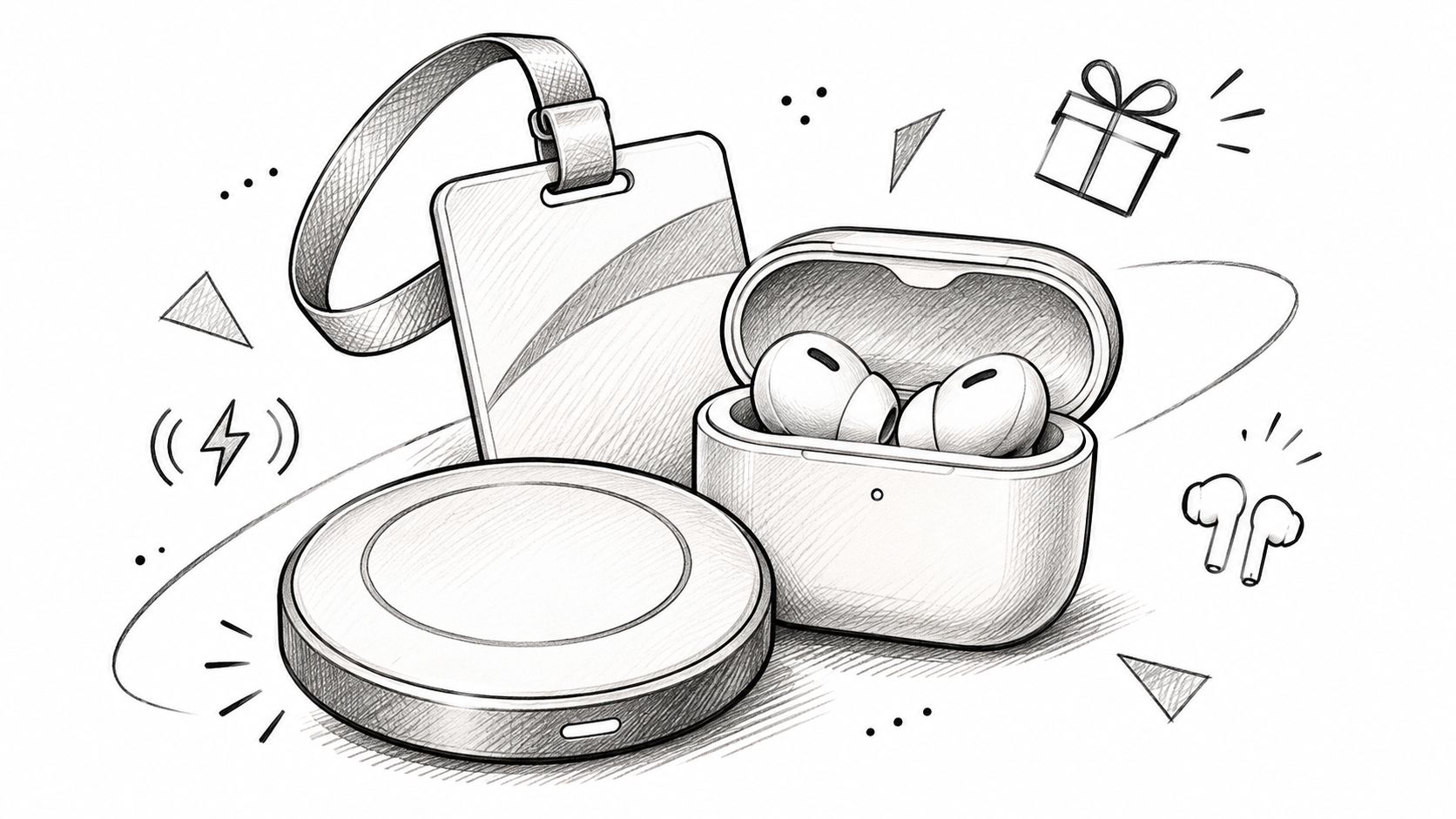
A charger is useful only if it works with the recipient's equipment. Before approving a tech giveaway, test the actual sample with the devices and accessories your audience is likely to use.
Who it reaches: Traveling attendees, desk-based employees, and customers with a relevant device need. A USB-C cable, Qi-compatible charger, or compact stand can be sensible, but none is universally useful.
Quality matters to the brand impression. In a RainFocus survey of U.S. adults, 76% said giveaway quality affects their perception of the sponsoring brand.
Pay for reliability before packaging
Cost per head includes product testing, documentation checks, freight, replacements, and support. A cheap electronic accessory isn't a bargain if recipients can't use it or your team can't resolve faults.
For a traveling sales-team kickoff, offer a tested charging accessory alongside a non-electronic alternative. State compatibility and included components clearly, especially whether recipients need their own power adapter.
Leftover stock needs more attention than spare notebooks. Batteries require appropriate storage and transport arrangements, while connectors and charging specifications can become less relevant over time.
A familiar connector isn't proof of performance. Test the accessory under the conditions recipients will actually use it.
Use it when you can verify compatibility and product quality. Don't choose electronics just because they appear more valuable than apparel or stationery.
9. Experience or VIP Access Giveaway
A small-group workshop can be more relevant than another object, particularly when attendees have traveled with limited luggage. The experience must still be something the winner can realistically attend.
For a leadership conference, offer a facilitated discussion with a relevant practitioner. Define the topic, location, accessibility arrangements, and scheduling expectations before accepting entries.
Who it reaches: People who value learning, access, or participation more than physical merchandise. An evening-only experience may exclude caregivers or travelers leaving immediately after the event.
- Cost per head: Include facilitator time, venue, catering, access arrangements, administration, and any travel you promise. Calculate cost per participating attendee.
- Unused capacity: There's no physical stock, but an empty reserved seat still represents wasted spend. Set a confirmation deadline and maintain a willing alternate list.
- Clear boundaries: State exactly what access includes. Don't imply private coaching, backstage entry, or future availability unless it's confirmed.
Offer a remote or differently scheduled alternative where practical. If the experience will be photographed or recorded, separate participation from permission to use someone's image in promotional content.
Experiences aren't automatically inexpensive or inclusive. They exchange manufacturing and storage problems for scheduling and capacity problems.
Use it when the audience values the access and your team can deliver it reliably. Avoid prizes whose appeal depends on vague promises of exclusivity.
10. Matched Donation Giveaway
Not everyone wants merchandise. A donation option gives those attendees a meaningful way to participate without taking home an unwanted item.
For an employee recognition event, let participants choose a supported cause and trigger a company contribution, or match an eligible personal donation under clearly published terms. These are different arrangements, so explain whether the employee needs to contribute money.
Who it reaches: Attendees who prefer a charitable outcome, have limited luggage space, or don't want branded products. Offer a choice of causes where appropriate rather than assuming everyone shares the same priorities.
The waste concern is practical: in a 2025 Mobly survey of event professionals, 88% said they'd seen recipients throw swag away immediately.
Make the commitment auditable
Cost per head should reflect the promised contribution and administration costs. Publish the campaign cap, qualifying actions, eligible recipients, and what happens after the cap is reached.
Verify the charity, payment route, and reporting process before launch. Don't imply that an attendee receives a tax benefit because the company makes a donation.
Leftover stock disappears, but an unfulfilled financial commitment is a different operational failure. Assign an owner to reconcile participation, approve payment, and communicate the outcome.
Use it when you can make a clear, verifiable commitment connected to your organization's values. Keep the donation optional rather than presenting it as the morally preferable choice.
How the ten giveaway formats compare on audience, cost, and logistics
| Item | Best For | Typical Cost Level | Logistics Load | Brand Visibility |
|---|---|---|---|---|
| Limited-Edition Merch Drop | Building excitement around a launch or milestone | Moderate; depends on item and quantity | Moderate; requires timing and inventory planning | High; collectible design can keep the brand memorable |
| New-Hire Welcome Kit | Welcoming employees and supporting onboarding | Moderate per hire; scales with hiring volume | Moderate to high; requires personalization and shipping | High; items support repeated workplace or home use |
| Employee-Choice Swag Store | Giving employees flexible, personalized rewards | Variable; controlled by individual allowances | High; requires catalog and budget management | High; employees choose items they are likely to use |
| Social Media Giveaway Contest | Growing social reach and engagement | Low to moderate; depends on prize | Moderate; requires rules, promotion, and winner fulfillment | High; entries and sharing can extend campaign reach |
| Event Raffle or Prize Draw | Increasing event attendance at booths or sessions | Variable; depends on prize tiers | High; requires event staffing, entry tracking, and compliance checks | High; prizes and live announcements create event exposure |
| Co-Designed Apparel Contest | Building community participation and ownership | Low to moderate; includes production of winning design | Moderate; requires submissions, judging, and rights management | High; community-created apparel can be widely worn |
| QR Code Scavenger Hunt | Encouraging exploration and engagement at events | Moderate; depends on technology and prizes | High; requires venue setup, testing, and prize fulfillment | Moderate to high; visibility grows with participation and signage |
| Tech Accessory Giveaway | Offering practical, high-value branded gifts | High per item | Moderate to high; electronics need compatibility and shipping checks | High; useful items can deliver frequent, lasting exposure |
| Experience or VIP Access Giveaway | Rewarding customers or fans with memorable access | Variable; low for local access, high with travel | Moderate; requires scheduling and winner coordination | High; memorable experiences can generate social sharing |
| Matched Donation Giveaway | Connecting participation with a charitable cause | Variable; depends on donation commitment and prize | Moderate to high; requires charity coordination and reporting | Moderate to high; impact stories can strengthen brand association |
Match Each Giveaway to Your Audience and Budget
Choose a focused combination that fits the audience's daily life. A new-hire gathering might need a welcome kit with individual preferences; a customer conference might benefit from a useful accessory and an optional experience. More formats mean more instructions, suppliers, inventory records, and exceptions.
Set the fully loaded per-head budget before choosing products. Include design, samples, decoration, packaging, freight, duties where applicable, venue handling, staffing, returns, and replacements. For contests and experiences, distinguish cost per participant from cost per winner or redeemed reward.
Decide the exit route before placing the order
Write the leftover-stock plan into the brief alongside the artwork and delivery date. Assign someone to count remaining products, record condition and sizes, and authorize their next destination.
- Reusable stock: Keep evergreen designs available for later events, onboarding, or employee redemption.
- Event-specific stock: Order against confirmed demand wherever possible, especially when dates or personal names limit reuse.
- Unclaimed rewards: Define collection deadlines, alternate recipients, and delivery responsibilities before promotion begins.
- Unwanted items: Offer a decline or donation route without requiring attendees to explain personal preferences.
FLYP LTD can run this end-to-end, with AI-designed company swag offered with no minimums. Our recommended launch mix is 4–6 apparel pieces, 3–4 accessories, 2–3 tech items, 1–2 hospitality or desk items, and 1–2 event-specific or seasonal items. Treat that as a curated catalog, not a requirement to give every recipient a large bundle.
We can ship leftover stock to the next event, donate it through our partner network, or list it on your internal company store for employee redemption. Making that decision before production helps the team avoid leaving boxes in storage without an owner.
Budget rule: An inexpensive product nobody wants is still wasted spend. Compare useful redemptions, not just purchase quantities.
After the event, reconcile what was ordered, claimed, delivered, returned, and left over. Ask whether recipients wanted the format and whether distribution worked, then use those answers to adjust the next program. The best event giveaway ideas are the ones you can explain in practical terms: who benefits, what each successful delivery costs, and where every remaining item goes.
FLYP LTD manages event merchandise from design and curation through production, fulfillment, and international shipping. Visit FLYP LTD to plan a giveaway program around your audience, per-head budget, and a clear route for leftover stock.