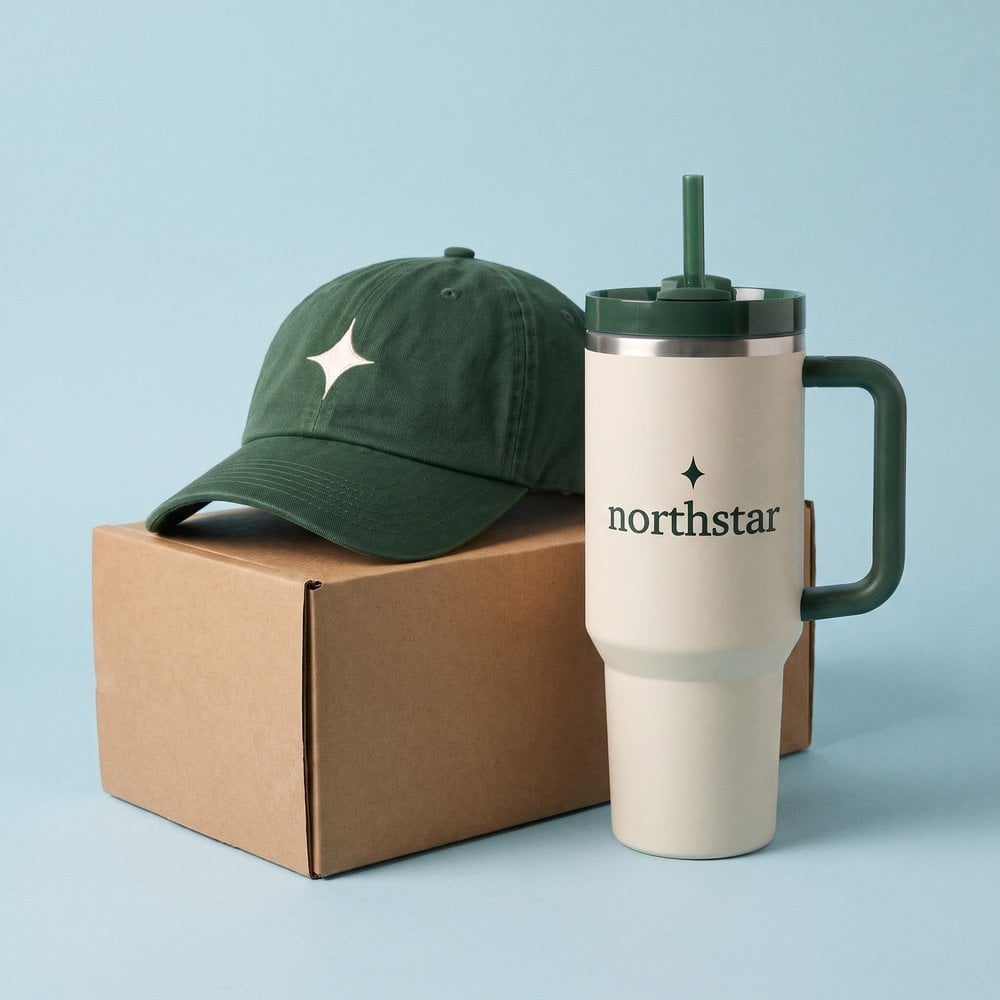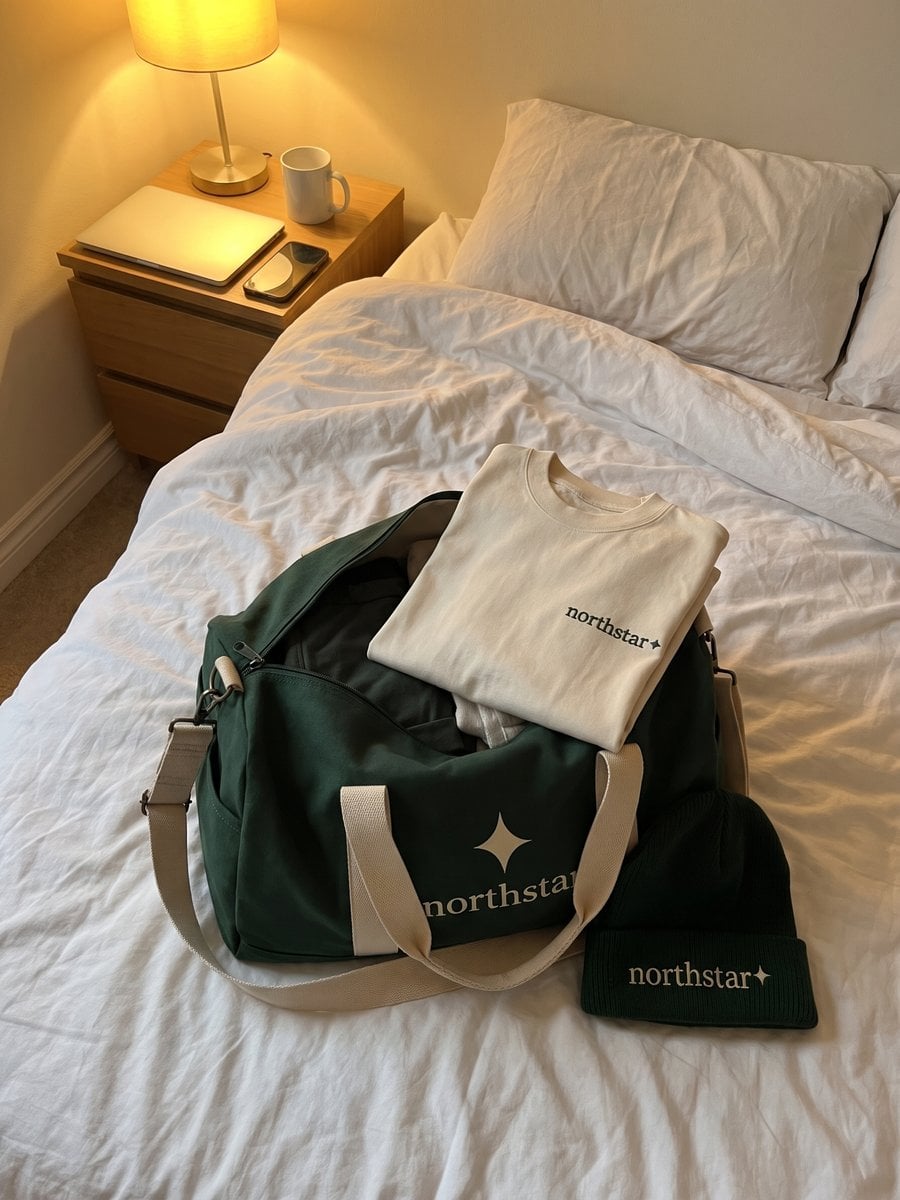
Monday afternoon, and you're still chasing shirt sizes for three new hires while a five-year anniversary gift sits late and generic in a queue. The creative idea was fine. The operating system behind it was not. These employee engagement ideas close that gap. Each one names an owner, the HRIS trigger that should fire it, the volume at which it's worth formalizing, the approval that usually slows it, and the failure mode to design against.
Swag only works when it is part of a system. A hoodie does not create belonging if nobody owns the ship date, the note, or the follow-up. The same is true of shout-outs, stores, and offsite drops. Treat engagement as an operating discipline across regions, functions, and manager groups, not as one global score. Gallup found that only 21% of employees were engaged in 2024, down from 23% in 2023, and estimated that two-point decline at about US$438 billion in lost productivity. Half of employees worldwide were watching for or actively seeking a new job. Programs have to touch daily work and a sense of value, not a one-off morale event. If you're still running a smaller team, these engagement ideas for small business teams are a useful companion. Then pick one trigger you can already fire.
Table of Contents
- 1. Branded New-Hire Onboarding Kits
- 2. Peer-to-Peer and Manager-Led Recognition with Branded Rewards
- 3. Employee-Choice Merch Store
- 4. Work Anniversary and Milestone Recognition
- 5. Event and Offsite Merch Drops
- 6. Employee Resource Group Branded Apparel
- 7. Employee-Designed Merch Contests
- 8. Cause-Based and Volunteer Branded Apparel
- 9. Remote Employee Care Packages
- 10. Team Challenge Rewards with Branded Gear
- How the 10 employee engagement ideas compare on trigger, audience, and main risk
- Start With One Program and Build From There
1. Branded New-Hire Onboarding Kits
People Ops owns the kit. The trigger is offer acceptance in the HRIS, not a Slack ping on day one. Formalize it once you hire more than a handful a month, because manual size chasing fails exactly when volume rises.
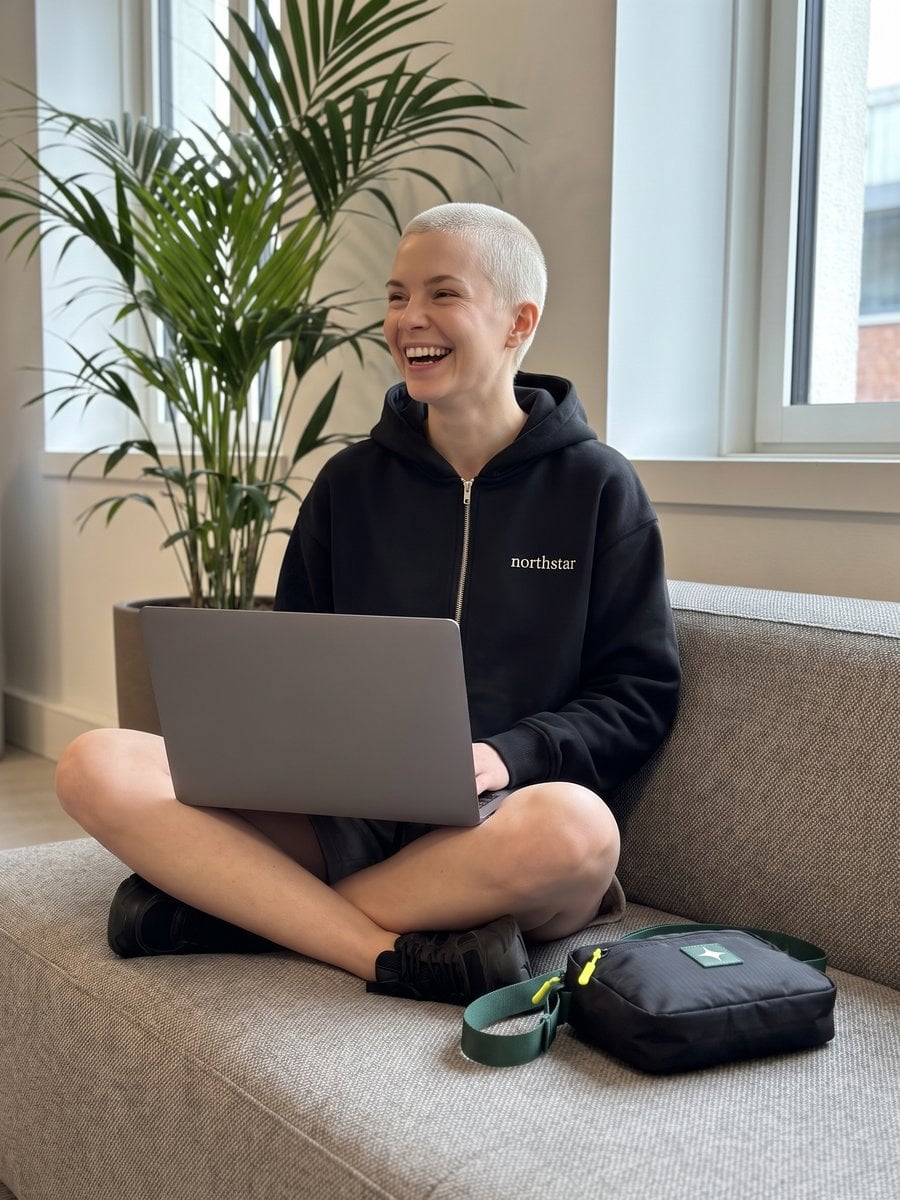
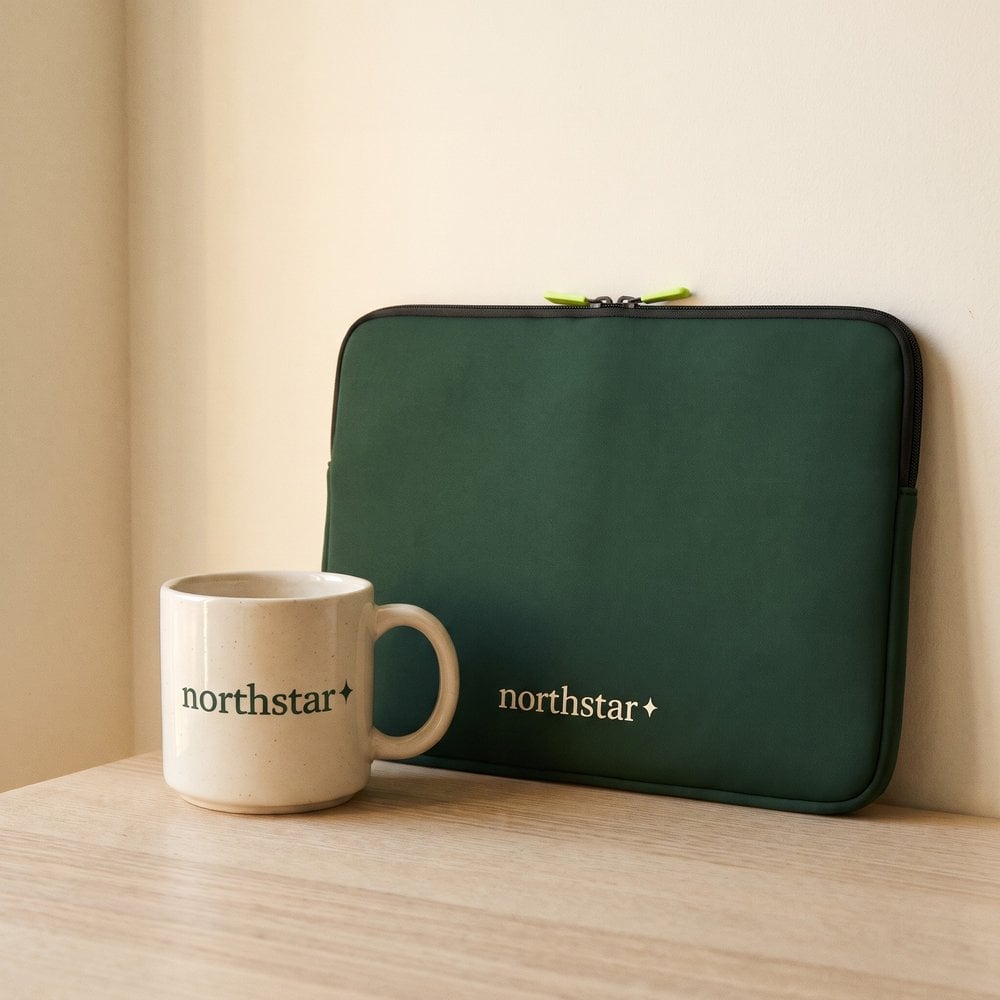
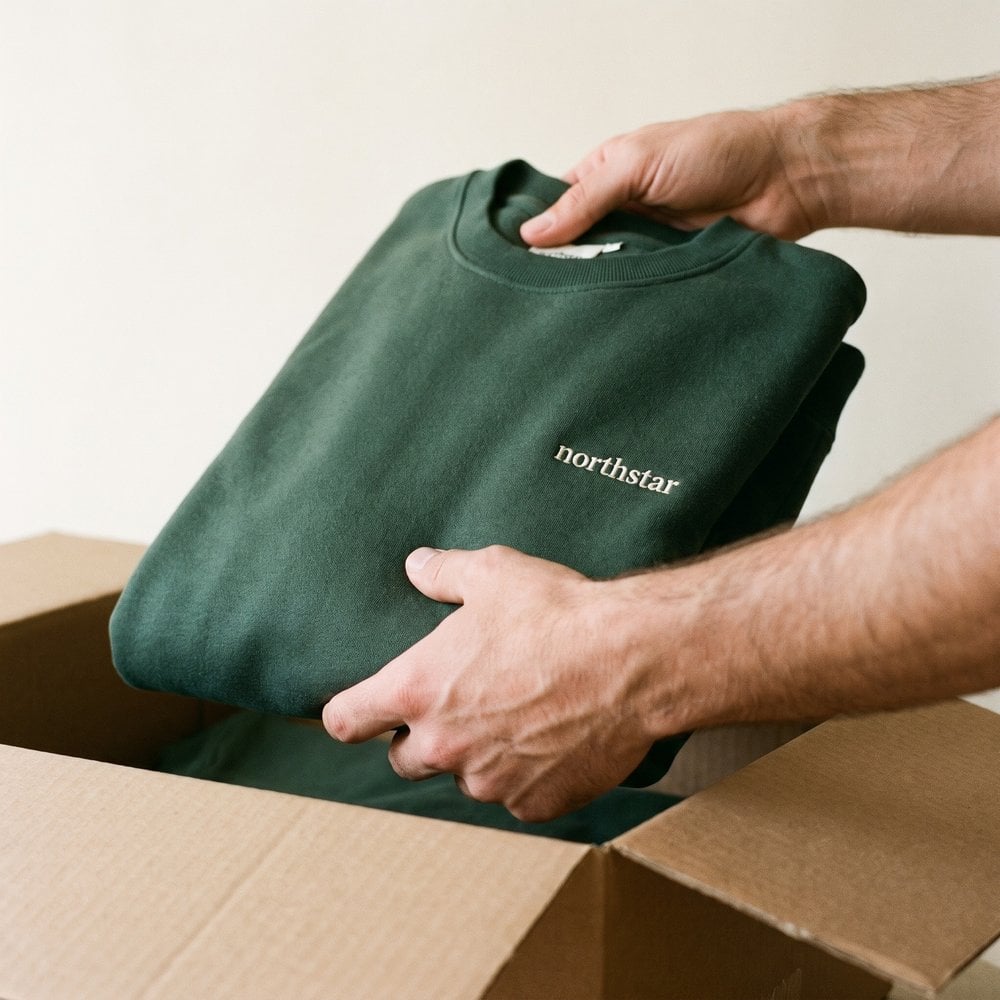
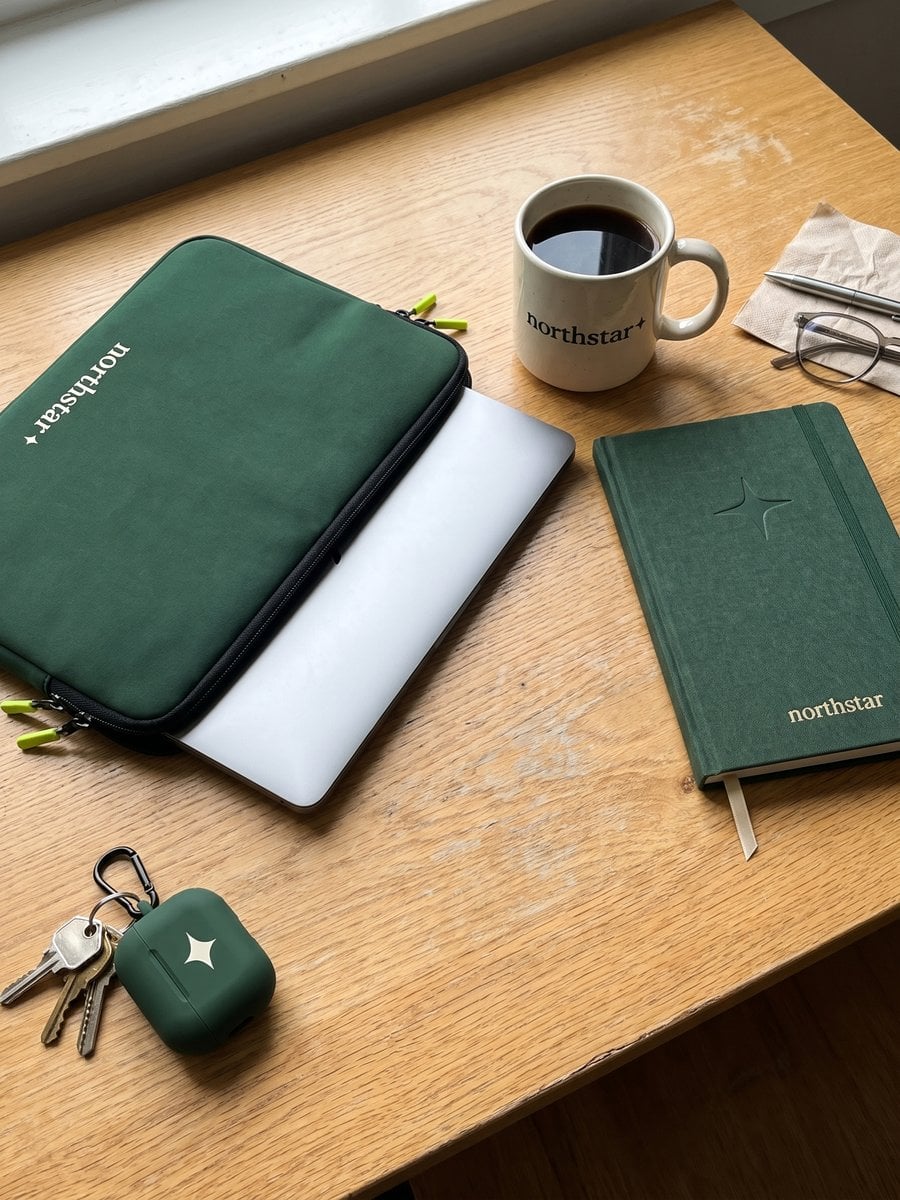
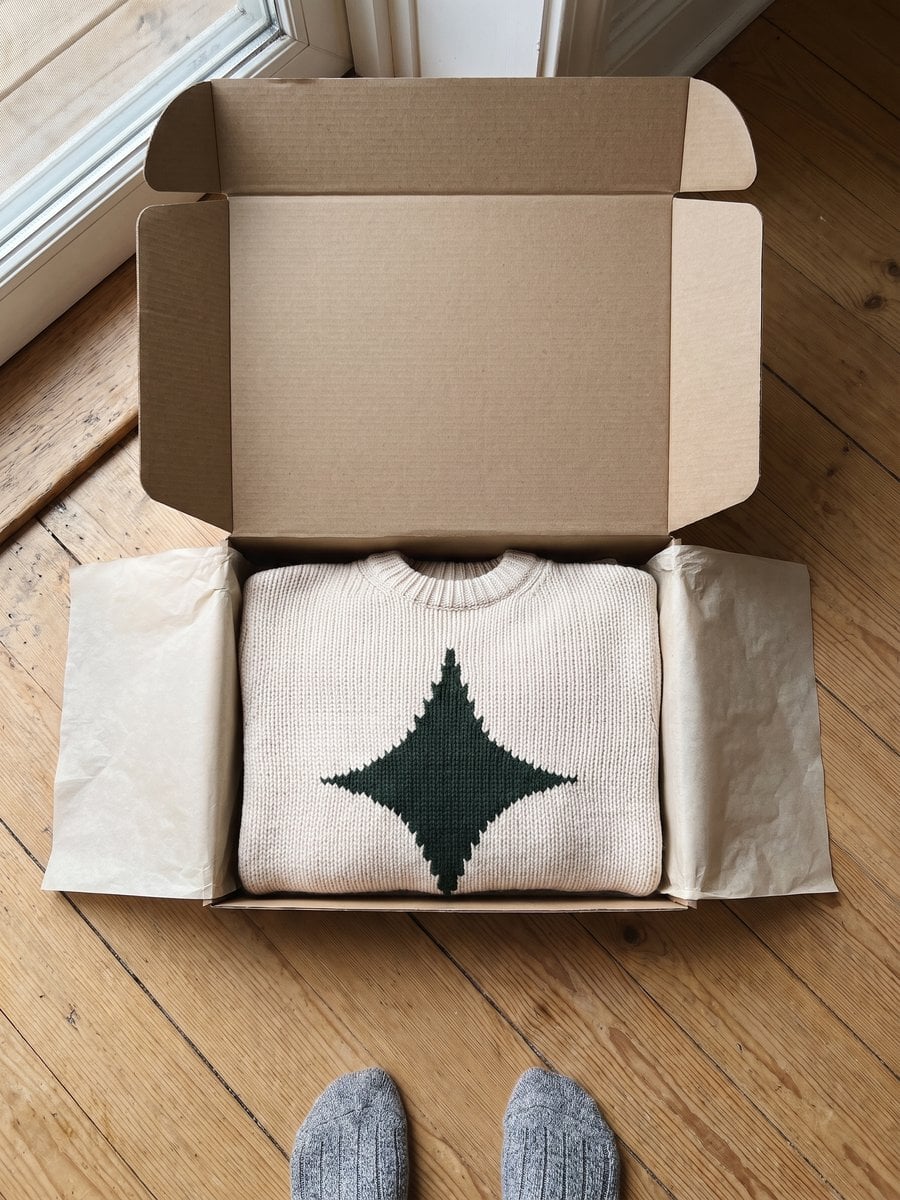
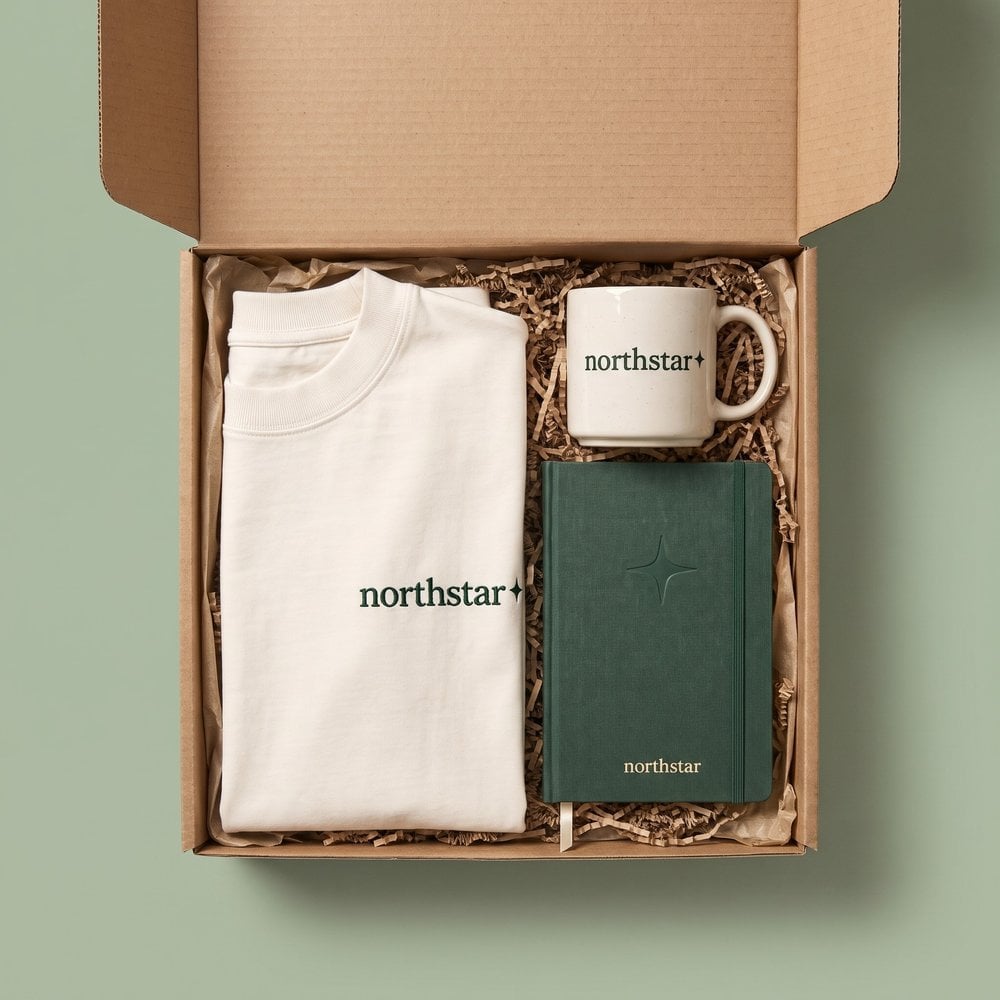
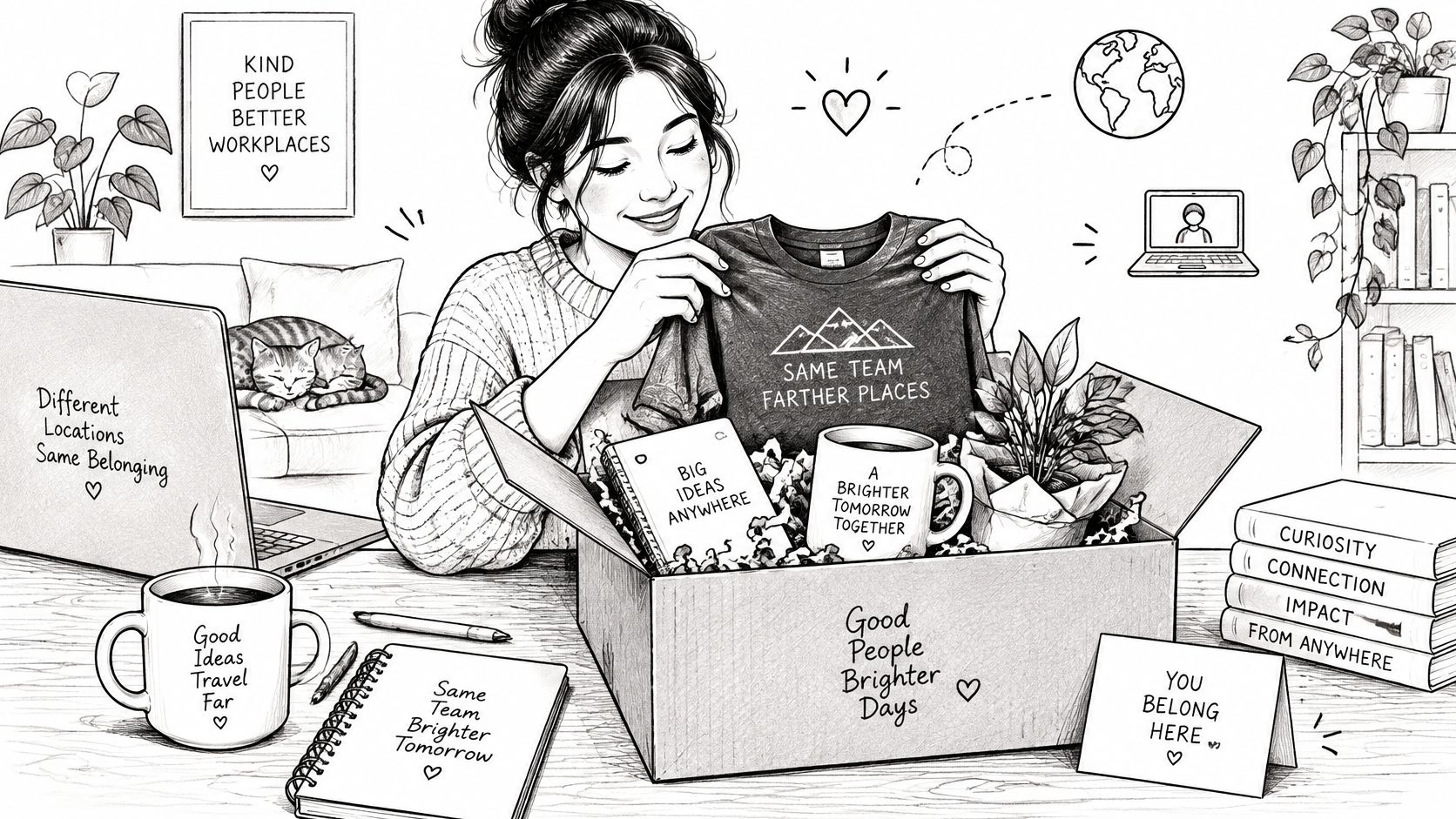
Ship a curated box of apparel, a notebook, and a short note at least a week before the start date. Fast-growing software teams often send hoodies to remote hires before day one. Enterprises keep the core brand items and swap local sizing plus a regional extra. Collect sizes and addresses during pre-boarding. The hiring manager writes the note. You survey satisfaction in the first 30 days and drop items people never use.

What usually goes wrong is a late box, the wrong size, and a template card. Brand review of every SKU is the approval that slips the date. Lock a standard kit and escalate only exceptions.
Practical rule: If the kit cannot ship seven days before start without a human reminder, it isn't a program yet.
For contents, sequencing, and international shipping, use this employee onboarding kit guide.
2. Peer-to-Peer and Manager-Led Recognition with Branded Rewards
Recognition should be a weekly operating habit, not an annual awards night. Gallup's engagement indicator puts recognition or praise for good work in the previous seven days inside the Q12, and only 29% of employees in the cited 2025 benchmark strongly agreed they had received it recently.
Run three layers. Peers post a specific note the same day. Managers get a small monthly budget and a short catalog. People Ops runs a monthly values nomination and a quarterly tangible award. Record the behavior, the value, the location, the manager, and delivery status so you can audit equity.

Who approves, and what breaks
People Ops sets three to five criteria tied to values. Finance caps the team budget. Don't route every peer note through a committee, or speed dies and the gift feels bureaucratic. The failure mode is public praise for visible headquarters roles and silence for quiet individual contributors. Review nomination patterns each quarter. Pair the item with the story. An object without the behavior is just inventory.
I would not add a new meeting for this. A prompt in the manager's existing one-to-one is enough.
3. Employee-Choice Merch Store
One global catalog that only fits headquarters taste will widen the gaps you already have. Gallup's 2026 global engagement report put engagement at 31% in the United States and Canada, 12% in Europe, and 14% in the Middle East and North Africa.
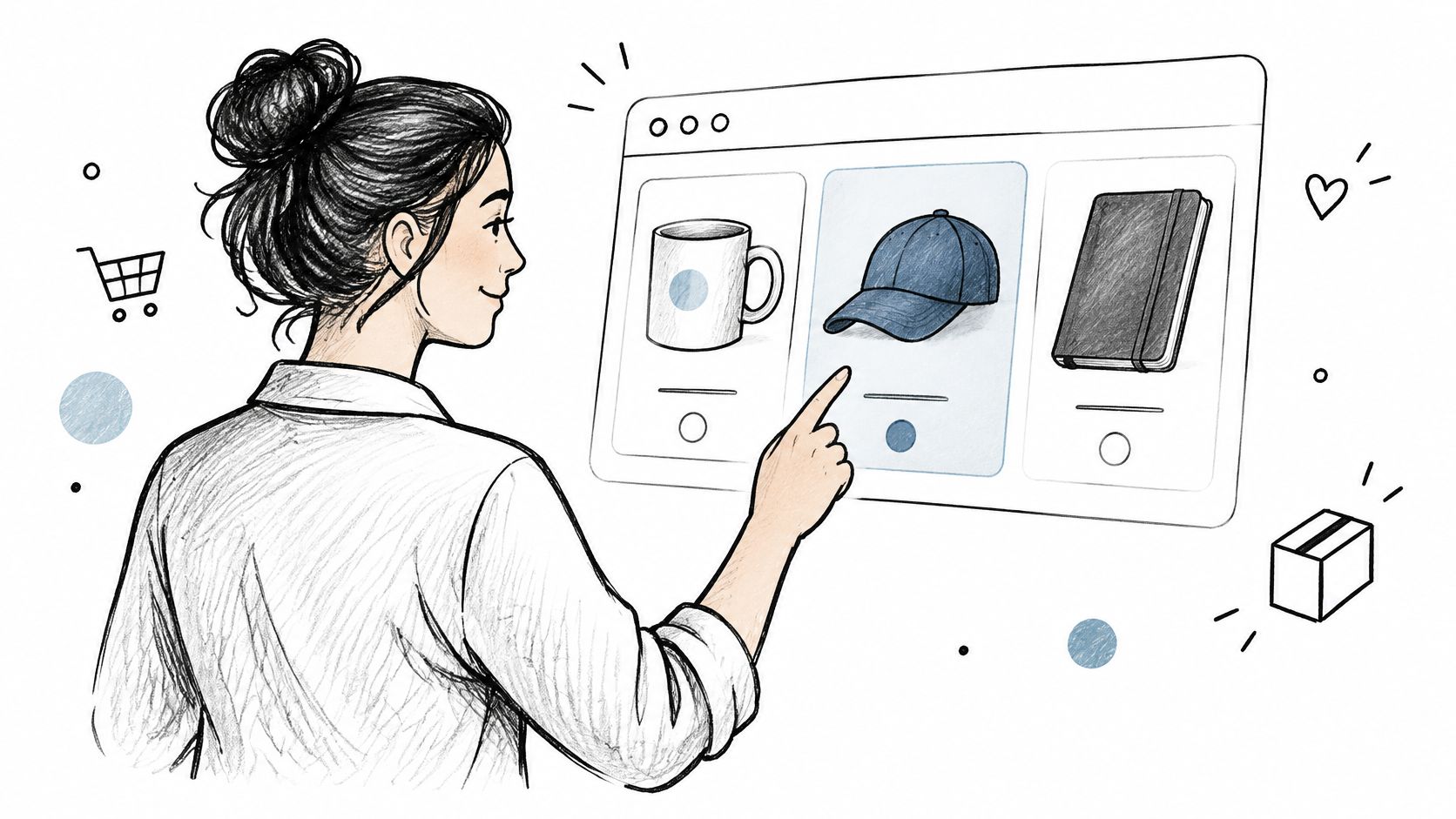
An internal store lets people spend points, a stipend, or a recognition credit on a short, high-quality catalog, about 20 to 40 items. People Ops owns policy and budget. A merch lead owns curation, sizing, and shipping. Formalize the store once ad hoc requests crowd the HR inbox, not on day one of the company.
What to lock before launch
- Credits: Recurring or one-time, with a written earn-and-spend rule.
- Local fit: Regional sizing, language, and ship options, plus a few local designs on the same brand system.
- Refresh: One seasonal update a quarter, driven by redemption, not by whoever shouts loudest.
- Approvals: Brand safety on new SKUs only. Don't re-approve the whole catalog every order.
The failure mode is a pretty store nobody can redeem in because credits never land, or a tax and shipping surprise in one country. Compare this setup with company store software before you build a catalog by spreadsheet.
4. Work Anniversary and Milestone Recognition
Tenure gifts fail when someone has to remember them. HRIS tenure and promotion events should open the workflow. People Ops owns tiers and budget. The manager owns a two-line personal note. Formalize tiers, such as a distinct jacket at five years and a premium item at ten, once you have enough anniversaries that a spreadsheet misses people.
Say a support lead hits five years in a distributed team. The system creates the order two weeks out, the manager adds why the person matters, and the gift is not the same tee from onboarding. A short video from a founder can sit with it, but the note does the work. Virtual celebration ideas for distributed teams help when you can't gather the room.
The slow step
Legal or finance approval on every tier change will stall December. Set the budget bands once a year. Survey which gifts people keep, and retire the rest. The failure mode is a generic box that arrives a month late, which tells a long-tenured employee the company did not notice.
5. Event and Offsite Merch Drops
Events own the drop. People Ops or brand owns the design system. The trigger is registration close, not "we'll print something next week." Formalize a playbook once you run more than a couple of offsites or launches a year.
Collect sizes in registration. Approve art at least four weeks out. Print a small buffer and open leftovers in the internal store so you don't landfill a slogan tee. Global teams often run a pop-up table at a conference, then offer the same design to people who could not travel.
What does not work is a new logo treatment for every party. Event merch should still look like the company. The failure mode is waste from guessed sizes, plus a design stuck in brand review until the venue date. Share a few photos internally so people who stayed home still see the moment. Don't treat the drop as the engagement program. It is a reminder of a shared experience, and it only lands if the event itself was worth remembering.
6. Employee Resource Group Branded Apparel
When an ERG needs apparel, the decision should sit with the group, while People Ops or the inclusion lead sets the budget and brand rules. Give each group a written annual allocation and let members shape designs within those limits. Formalize the process once more than one group is active; otherwise, requests can go to whichever group asks loudest.
A parents' network, a women-in-tech group, or a veterans' group might choose co-branded apparel for its own events. The ERG lead should confirm that members want the item before production. If the group runs a design contest, agree on the budget and production limits first so the selected design can be made.
William Kahn's 1990 framing offers a useful test: people invest themselves in work when it feels meaningful, when they can speak without fear of embarrassment, and when they have the energy to participate. Gallup's 2024 global workplace report shows why the third condition matters: 41% of employees experienced a lot of stress, and 54% of actively disengaged employees said they had felt substantial stress the previous day.
Apparel that stereotypes a community can undermine the effort. Ask ERG leads to review the copy before it goes to print.
After distribution, track who receives items and who attends the events they support. If shirts remain unworn, ask members what they would choose instead before ordering again.
7. Employee-Designed Merch Contests
Creative ownership sits with employees. Production ownership sits with a designer or merch partner who can turn a sketch into a printable file. The trigger is a fixed annual or pre-offsite brief, not an open inbox.
Publish color, logo, and print limits up front. Set dates for submission, voting, brand-safety review, and production. Many teams do this for a holiday sweater or an offsite tee and let staff vote a limited run. Recognize every participant, not only the winner, or people stop entering.
A short walkthrough of how a print file gets built helps non-designers see why the brief exists.
The approval that slows you is a late legal or brand pass after voting. Review constraints before the vote, not after a crowd has picked a winner you can't produce. The failure mode is a beloved design that fails on fabric, or a contest that feels like free labor for marketing. Pay the production properly and ship on the date you promised.
8. Cause-Based and Volunteer Branded Apparel
Tie the shirt to a real volunteer day, charity run, or community project. Corporate citizenship or the ERG that runs the program owns participation. People Ops or brand owns logo rights with the partner. Don't print cause tees as a marketing campaign with no hours behind them.
Give the same item to people who volunteer remotely when the work can be done that way. Track hours so you can report impact inside the company, not just post a photo. Confirm partner logo rights before you order. A clear one-paragraph story of the cause belongs in the handoff, or the shirt is costume.
CSR strategies for stronger brands are useful when you need the program design, not another garment. The failure mode is mandatory fun that eats a Saturday and a shirt people didn't choose. Offer the time, make the apparel optional to wear later, and don't let approval of partner marks slip past the event week. Purpose shows up in the work, and the item only reminds people of work they did.
9. Remote Employee Care Packages
Gallup's global workplace figures for 2025 put engagement at 20%, with 64% not engaged and 16% actively disengaged. A separate cut of location shows a wide gap. Engagement was 30% among exclusively remote employees and 17% among on-site employees who could not work remotely, in the 2026 global engagement file. A care package will not close that gap by itself. It can stop remote people from being the last to receive anything physical.
People Ops owns the calendar. The trigger is a scheduled campaign tied to a virtual all-hands or launch, plus a self-service address and size form. Plan ship windows weeks ahead. Keep a few core brand items and localize snacks and practical extras. Add a team note.
Don't add manager homework
Manager engagement has been the weak point in recent global results, including a fall to 22% in 2025, nine points below 2022, in Gallup's turnover coverage. Best-practice organizations still reached 79% engaged managers that year. So don't ask every manager to assemble boxes. Centralize the send. The failure mode is a headquarters snack box that can't clear customs, or a campaign that only reaches people whose addresses you already had. Measure reply rates and whether remote pulse scores move, not carton counts. See practical options for remote employee gifts.
10. Team Challenge Rewards with Branded Gear
A challenge works when the goal is shared, time-boxed, and open to every body and role. People Ops or internal comms owns the rules. The function lead owns the target. Formalize rewards once you run the same contest twice, so prizes don't depend on who has leftover budget.
Four to twelve weeks is long enough. Steps, a learning goal, or a customer-satisfaction target can all fit if you reward participation and the team milestone, not only the top athletes or the top quota. Publish the score on a cadence people already check.
Gear is the prize, not the point. If legal has to approve every leaderboard prize, you'll miss the finish. Pre-clear one reward tier. The failure mode is a fitness contest that shames people, or a sales contest that pays swag for behavior you would not defend in a review. Stop the challenge if the only people who can win were going to win anyway.
How the 10 employee engagement ideas compare on trigger, audience, and main risk
People Ops owns the trigger. The audience is who must receive the moment. Treat the last column as the failure to design against before you fund the idea.
| Item | Primary Trigger | Who It Reaches | Main Risk |
|---|---|---|---|
| Branded New-Hire Onboarding Kits | Offer acceptance recorded in the HRIS | New employees | Sizing or shipping errors |
| Peer-to-Peer and Manager-Led Recognition with Branded Rewards | Specific achievement or milestone | Recognized employees and their teams | Uneven or popularity-driven recognition |
| Employee-Choice Merch Store | Points, stipend, or recognition credit | Employees using the store | Perceived inequity in reward allocation |
| Work Anniversary and Milestone Recognition | Service anniversary, promotion, or career milestone | Employees reaching milestones | Impersonal gifts or incorrect HR data |
| Event and Offsite Merch Drops | Company event, offsite, or launch | Event attendees and employees | Overproduction or distribution complexity |
| Employee Resource Group (ERG) Branded Apparel | ERG event or community activity | ERG members and allies | Tokenistic designs or slow approvals |
| Employee-Designed Merch Contests | Internal design submission and contest | Employee participants and wider staff | Disappointment or unusable designs |
| Cause-Based and Volunteer Branded Apparel | Volunteer or charity participation | Employee volunteers and community partners | Appearing performative or insincere |
| Remote Employee Care Packages | Scheduled delivery or company milestone | Remote and distributed employees | Shipping delays or generic contents |
| Team Challenge Rewards with Branded Gear | Team challenge goal or milestone | Participating teams | Unhealthy competition or exclusion |
Start With One Program and Build From There
Pick the employee engagement idea whose trigger your HRIS can already fire. For many People teams, that is the new-hire kit or the work anniversary, not a store on day one. A direct send scales while request volume is low. I would add a self-service store once the team is fielding a steady stream of swag asks, on the order of more than ten a month, or once headcount is past the point where someone can still pack boxes by hand. A hybrid is the sane middle: kits for welcome, anniversary, and executive gifts, and a store for everyday choice.
We run these programs end to end at FLYP. Credits can land in an employee's balance when a hire, anniversary, or promotion is recorded, without someone remembering to send a gift. We connect that flow to HiBob, BambooHR, Personio, Deel, Remote, and Gusto. The managed path covers curation, quality checks, logistics, and reporting, so managers are not project-managing cartons. Store identity can follow the employee's login, so credits and allowances stay personal. You can fund credits per person, team, or milestone.
Don't launch all ten ideas. Map one trigger, set one budget, and measure one outcome in the next 30 days. Coverage of who received the moment, time from trigger to delivery, and a short pulse among people who got it versus people who did not. If that loop is clean, add the next moment. If managers are spending Friday afternoons on forms, you added load, not engagement.
FLYP LTD runs global merch as a managed system for onboarding kits, recognition gifts, event drops, and employee-choice stores, with brand-safe curation, production, and delivery handled after you approve the program. If your People team is ready to tie swag to an HRIS milestone instead of a Monday chase, visit FLYP LTD and map the first trigger with us.