A fan finishes a clip, wants the hoodie in the shot, and hits a store that hides the size and the return rule. The order dies on that page, or it dies later when the garment doesn't fit and nobody says what happens to it.
Table of Contents
- What a Fan Merch Store Is
- How a Fan Merch Store Works From Design to Delivery
- Choosing Products and Imagery Fans Will Wear
- Pricing Each Drop So Margins Hold
- Store Setup and Checkout Friction
- Selling Merch Through Videos and Creator Content
- Returns, Sizing and What Happens to Unwanted Merch
- Confirm Your Fit and Run One Small Drop
What a Fan Merch Store Is
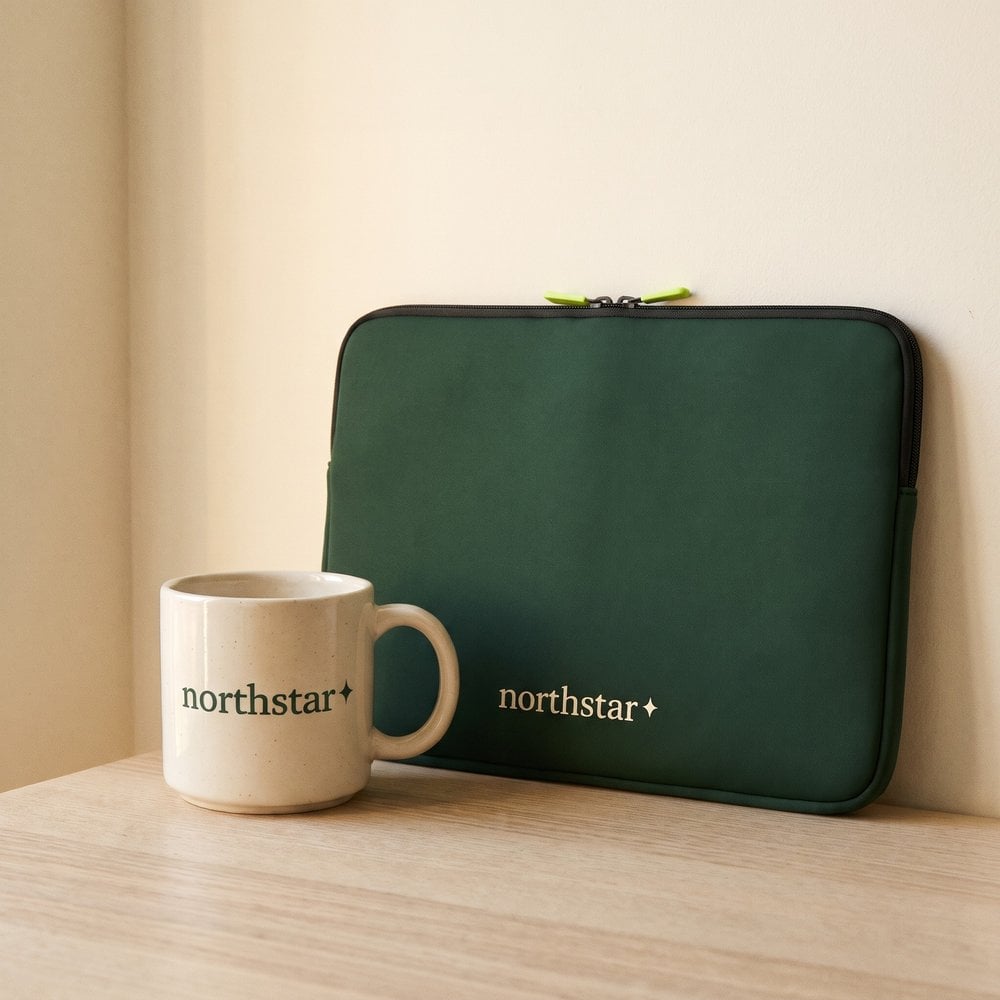
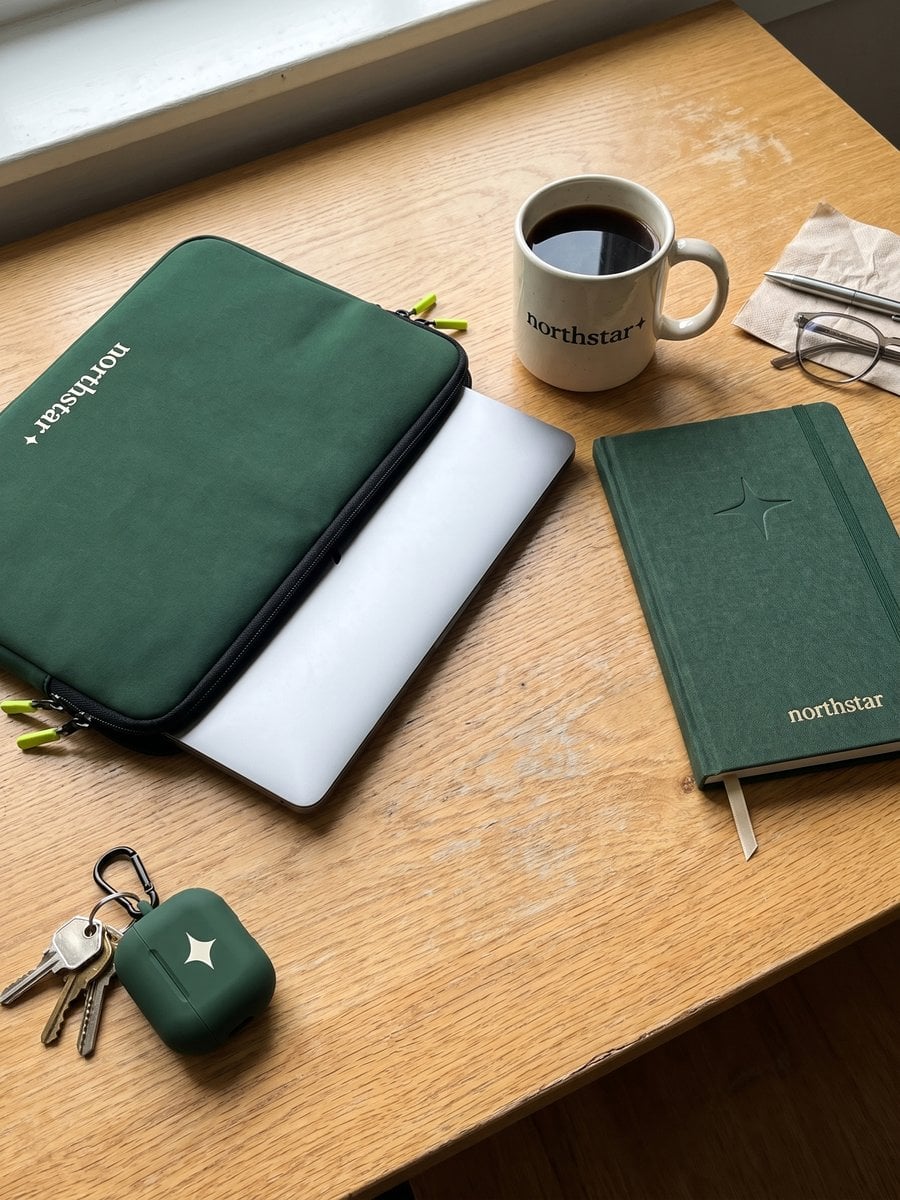
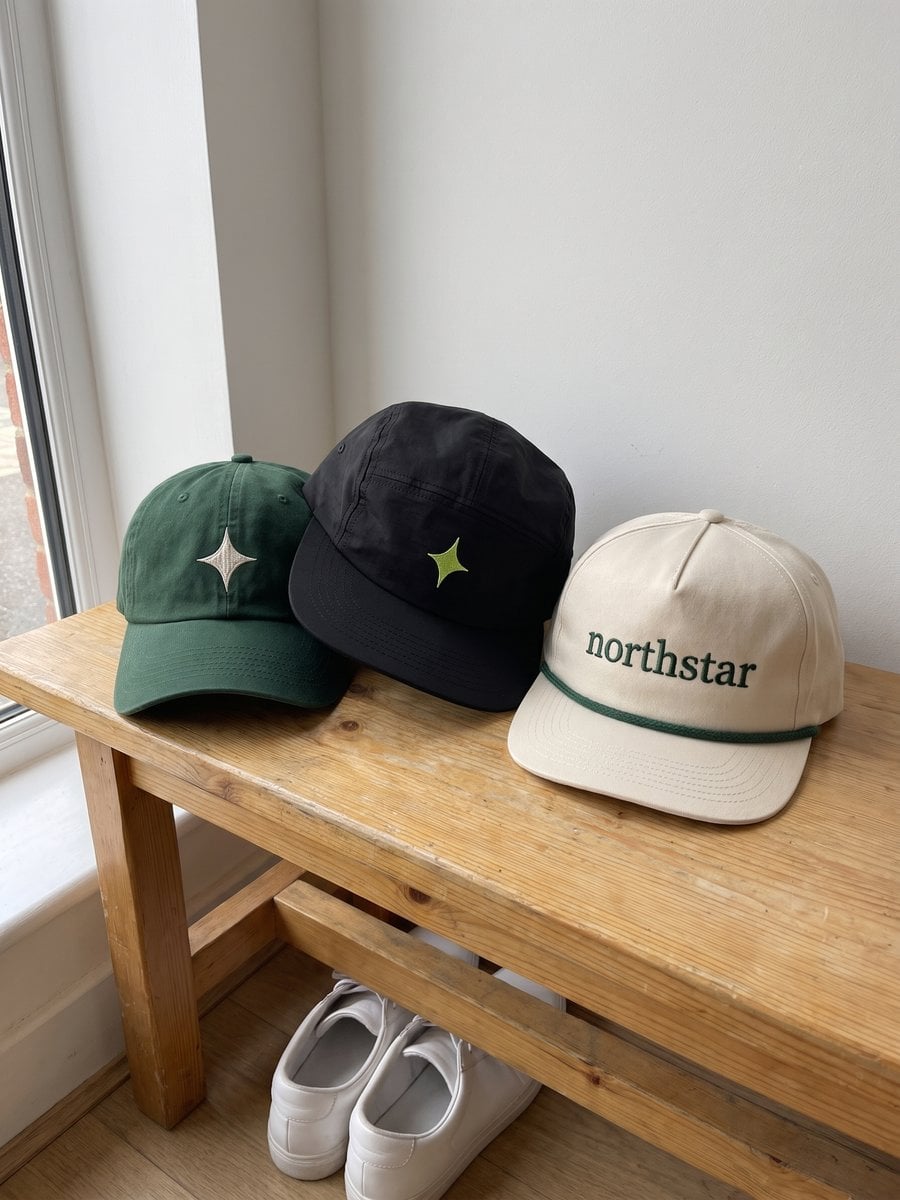
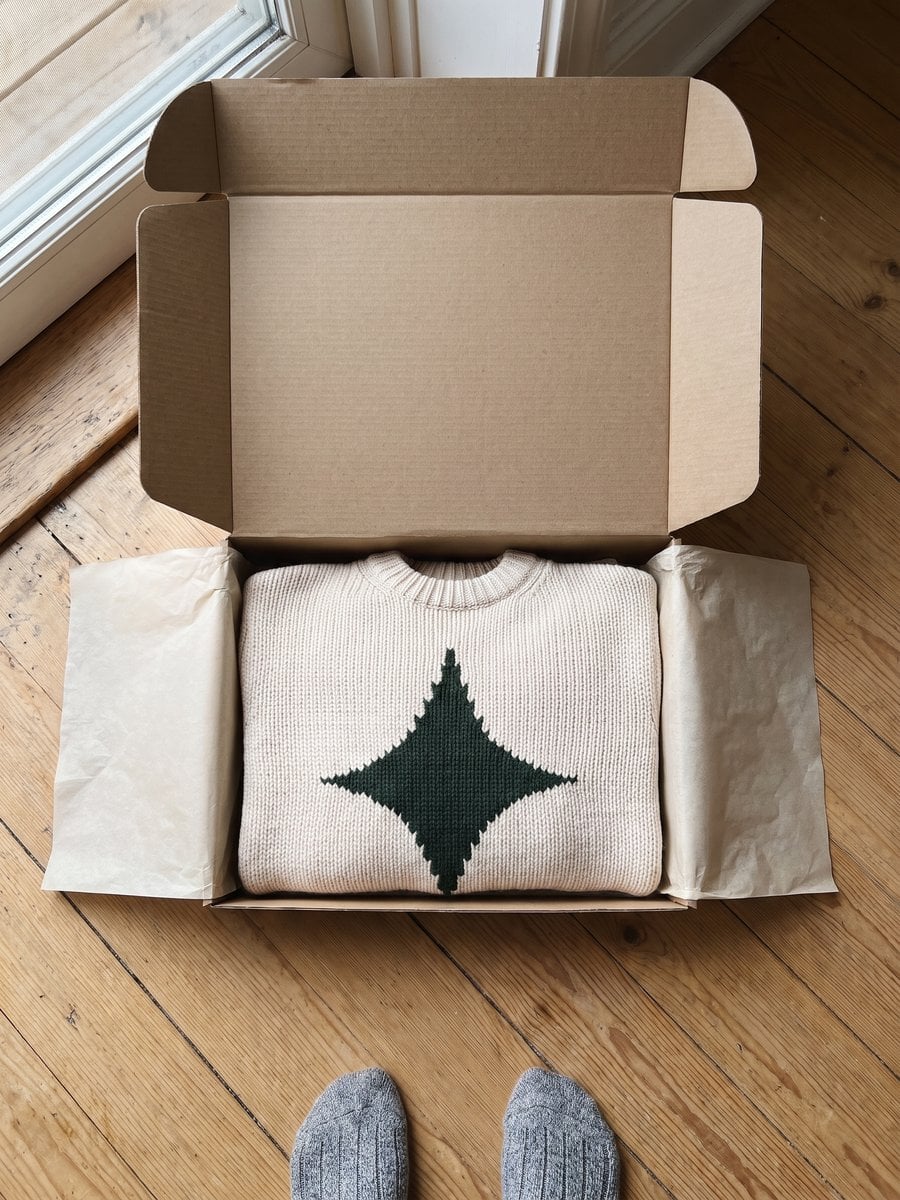
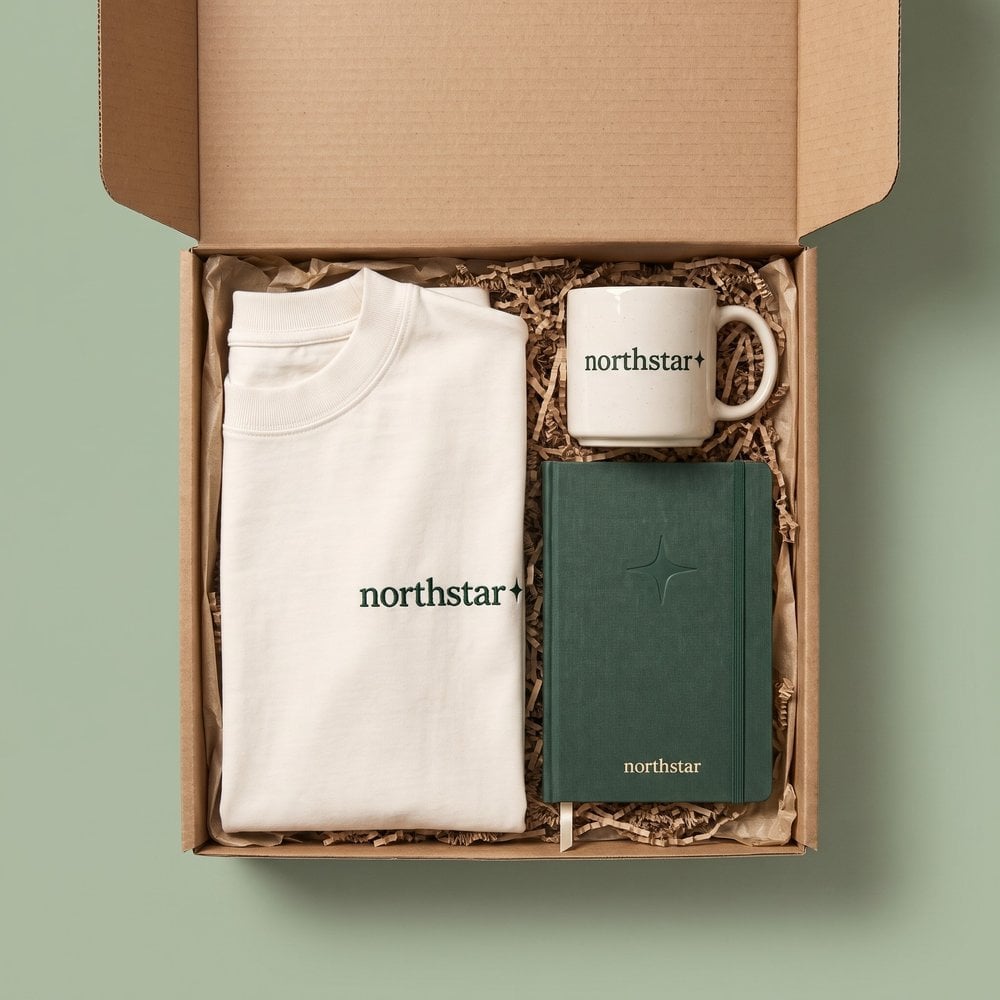
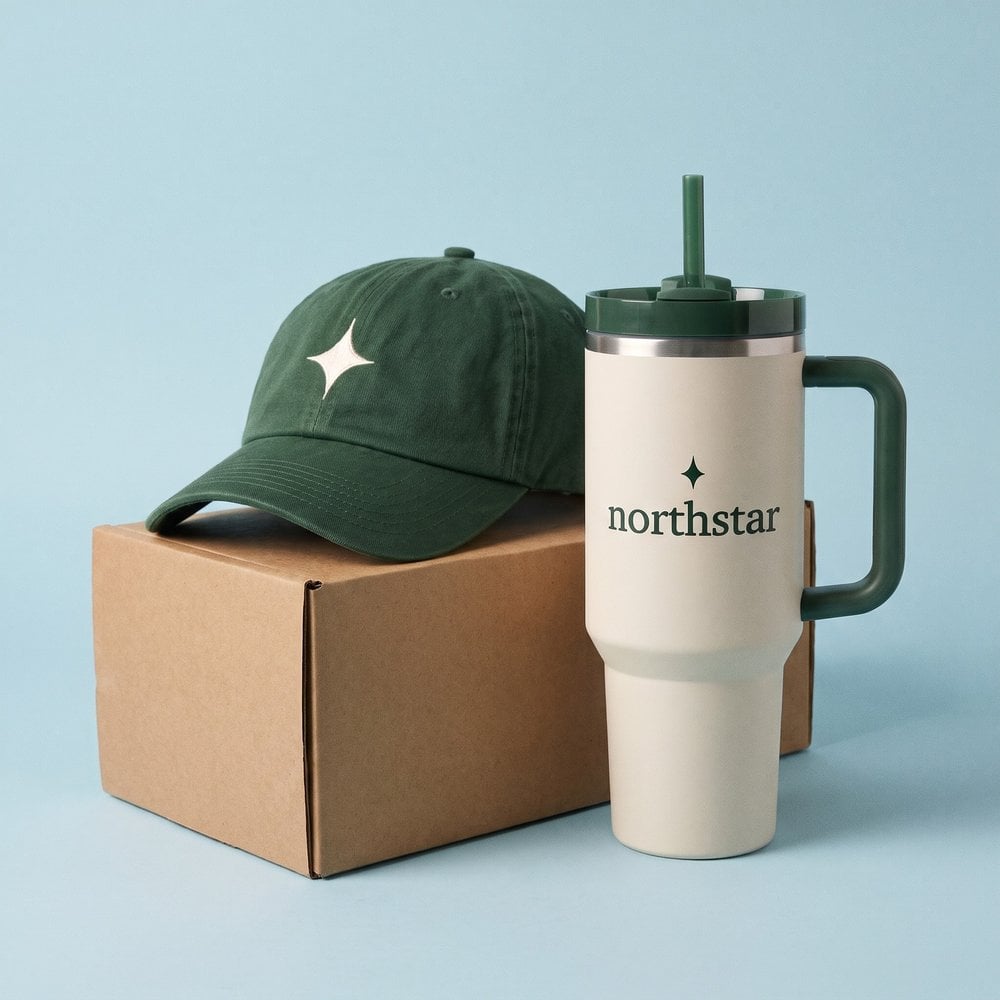
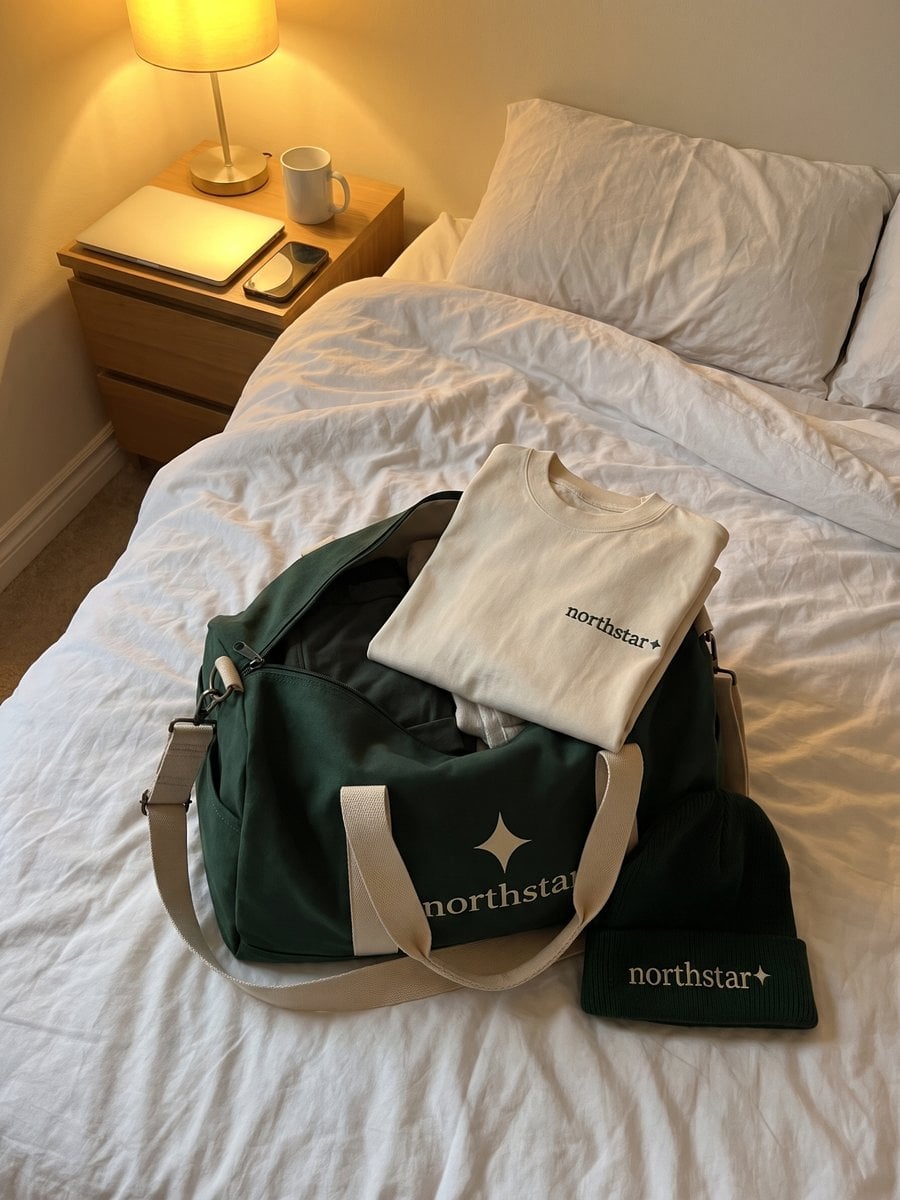
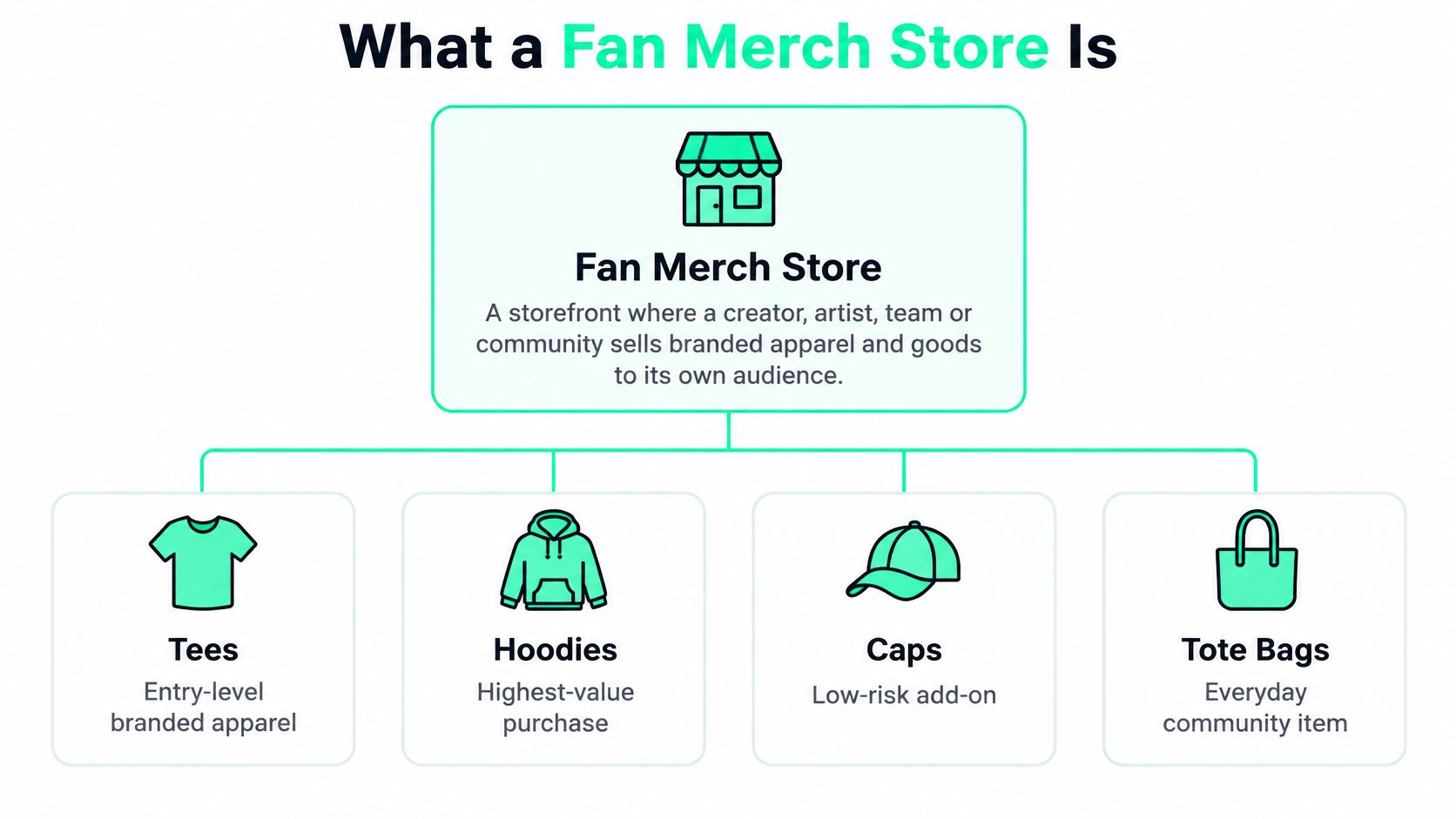
A fan merch store is a storefront where a creator, artist, team, or community sells branded apparel and goods, tees, hoodies, caps, tote bags, and mugs, to its own fans. It is the folding table outside a show, moved online so it stays open between tours, seasons, and releases.
Music merchandise goes back more than a century. HiFi News records that on January 5, 1908, merchandise for Franz Lehár's operetta The Merry Widow was promoted at Chicago's Colonial Theatre, including phonograph records of the show's music, and that by 1956 Elvis Presley's name and image were sold through a dedicated merchandise campaign. Those tie-ins are the root of today's creator shops.
Three pieces make the store real. You need a product line that expresses fan identity, a page where someone can buy, and a way to produce and ship each order. Skip the third piece and the catalogue is only a poster.
Four ways a store gets run
| Model | Who Runs It | Inventory Approach | Best For |
|---|---|---|---|
| Creator drop store | Creator and small team | Limited run, pre-orders | Events and launch moments |
| Link-in-bio storefront | Creator | Always-on catalog | Steady sales from followers |
| Video-tagged shopping | Creator on a video platform | Products linked to existing merch | Turning viewers into buyers |
| Company swag store | People or marketing team | Credit-funded, produced on demand | Employee and event merch |
A creator drop store fits a launch or a tour stop, because the run is limited and often taken as pre-orders. A link-in-bio storefront stays open for followers who buy between posts. Video-tagged shopping attaches products people already wear in the clip to that clip. A company swag store lets a people or marketing team fund orders with credits and produce them on demand for employees and events.
Pick the model that matches the audience before you pick a single blank.
How a Fan Merch Store Works From Design to Delivery
A first drop fails when the creator designs in isolation, then discovers the blank, the print, and the ship date don't match the promise. Work in this order so each choice has a reason.
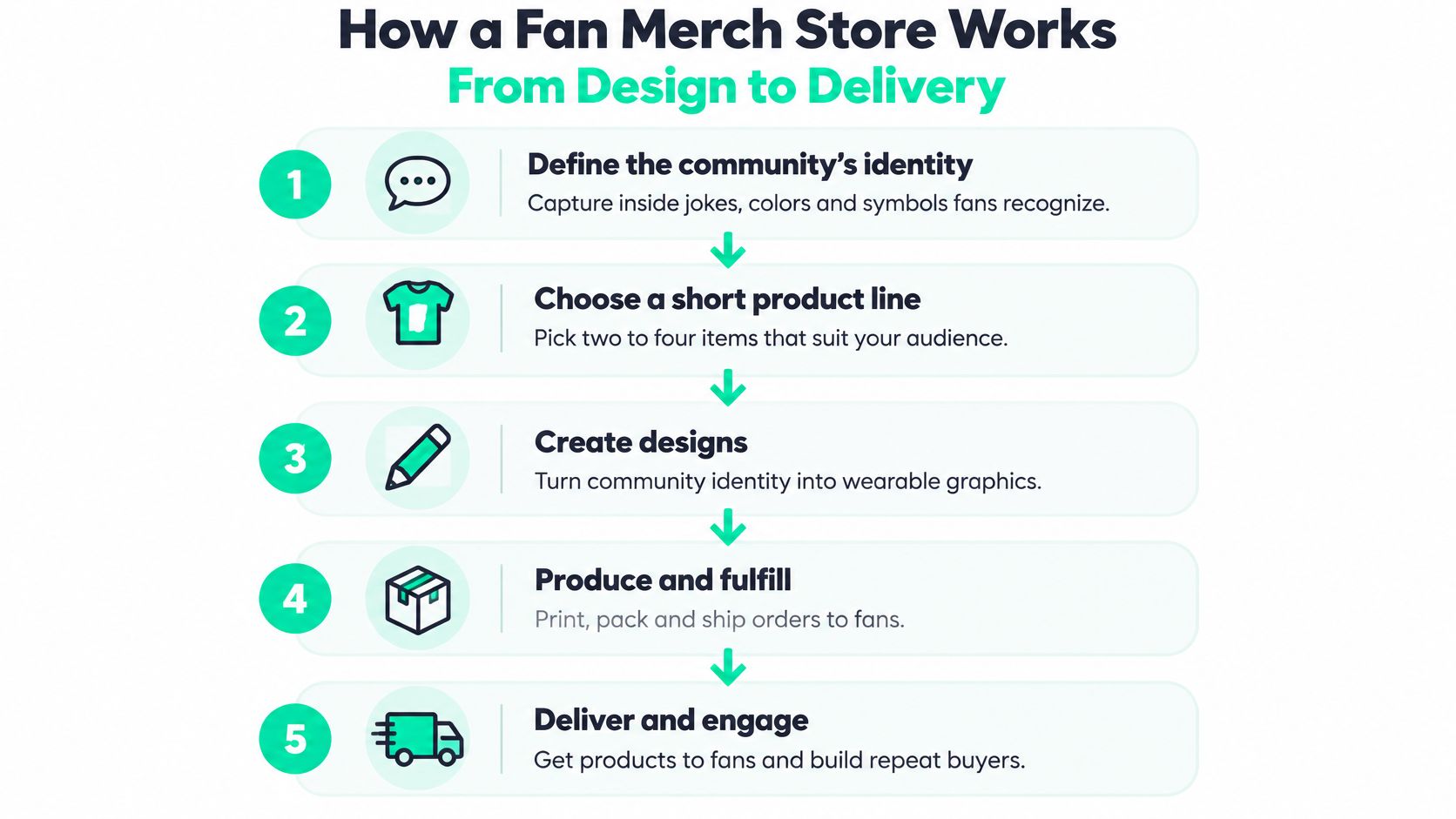
- Define the community's identity. Fans pay for inside jokes, colours, and symbols they already recognise, not for a logo dropped on a generic shirt.
- Choose a short product line of two to four items. A tee and a hoodie first keeps the decision small enough that you can learn fit and demand without a warehouse of leftovers.
- Create the design on the actual blank, not only on a flat artwork file. Print method changes how a line sits on fabric, so compare band merch printing methods from Striped Circle before you lock screen print, embroidery, or direct-to-garment.
- Build the store with product pages, size charts, and shipping and return policies visible. A buyer who can't see those facts leaves, or buys and argues later.
- Set a price that covers production, shipping, and payment fees, and decide whether the drop has a close date. A close date tells production when the run is real.
- Order and approve a physical sample before launch. Colour, placement, and hand-feel are what fans will judge, and a screen mockup hides all three.
- Open the drop, promote it through the content people already watch, and track sales. Promotion without a count leaves you guessing whether to extend or stop.
- After orders close, run production, fulfilment, customer service, and returns. The sale isn't finished when the payment clears.
Who does the unglamorous half
You can run every stage yourself. You can also hand the operational half to a managed setup. We create the merch collection and the store, then handle production, delivery, and support, so you stay on designs and the audience. Our guide to on-demand merch spells out making each piece after the order instead of guessing a warehouse quantity.
A successful first drop is a small set that sells through, plus a steady stream of reorders from people who wore the first piece and came back. Sell-through on a short list beats a wide catalogue that sits.
Choosing Products and Imagery Fans Will Wear
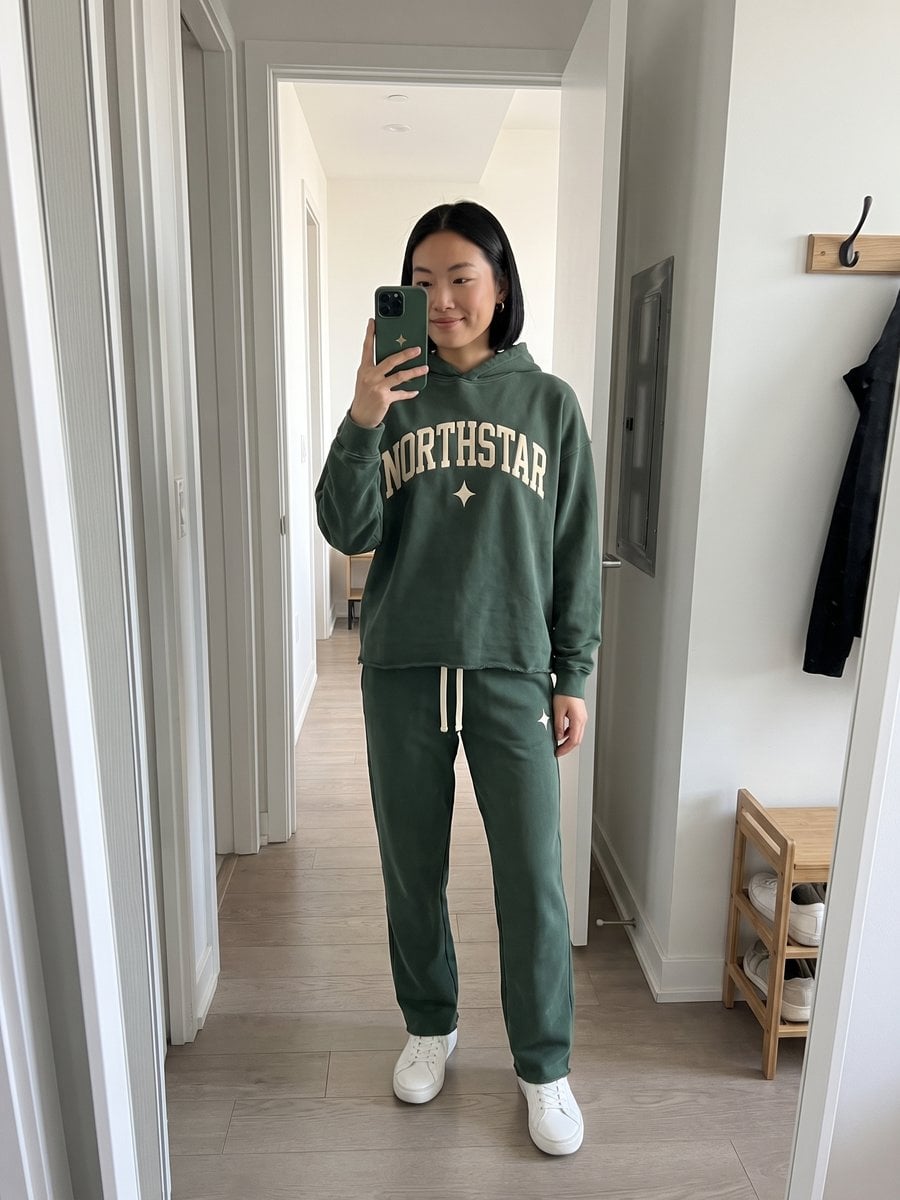
A fan stands in a queue and decides, in about two seconds, whether the new hoodie stays on or goes back in the bag. That moment is the true product test. Merch is a garment someone will wear where other people can see it. The blank has to earn that public wear the way a jacket earns a hook by the door: it has to feel right before the graphic gets a second look.
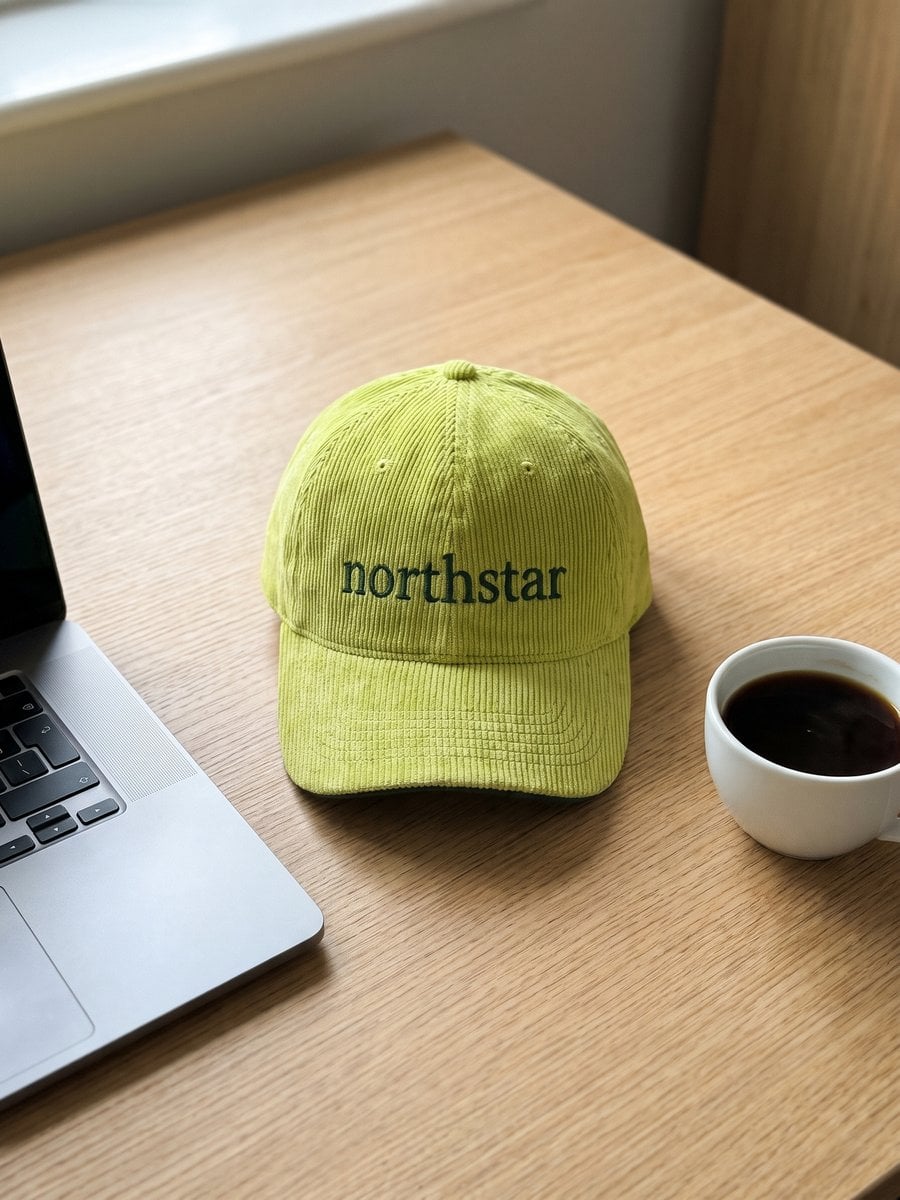
Heavyweight tees are the entry item. The risk is sizing across body types, because a boxy heavyweight sits nothing like a retail tee from a high-street brand. Someone who usually buys a medium may need another size once the fabric is thicker and the cut is squarer. Hoodies are the highest-value purchase, and the risk is weight. A thin fleece disappoints someone who paid hoodie money. Embroidered caps and tote bags are low-risk add-ons. The risk is how long the mark lasts, since a cap lives in a bag and a tote gets washed by accident. All-over print pieces are statement items for committed fans. The risk is expectation. An all-over graphic that cracks after two washes becomes a complaint, not a uniform. Choose with that later wear in mind, before the parcel ever ships.
What the photo has to prove
Artwork quality is not garment suitability. A sharp file can still look wrong on a body. In one specialist online retail setting, contextual product imagery converted at 13.16% against 2.46% for non-contextual imagery, a relative uplift of 435%, with Fisher's exact test at p < 0.001, and results varied by website, according to ecommerce research in Idealogy Journal. Treat the lift as a test, not a promise.
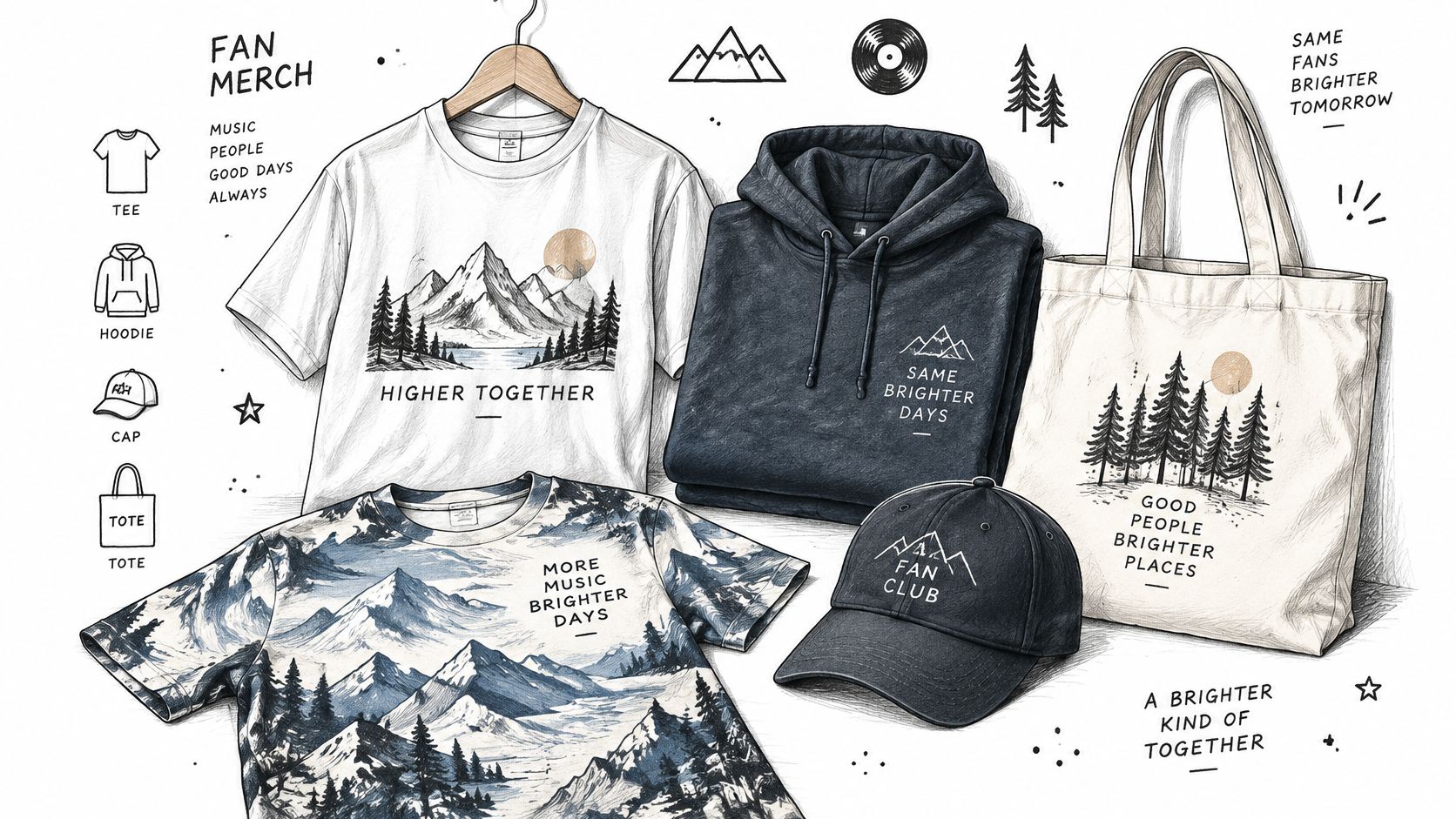
Show the design on the actual blank and on a real body type. Use front and back views, a close-up of print placement and fabric texture, size-inclusive models, and a scene that matches the community. A gaming hoodie on a studio cyclorama tells a music fan nothing about how it looks at a show. A short clip of the same piece moving, print catching the light as the wearer turns, answers what a still leaves open: does this look wearable on camera, or only in a mockup?
Every product page should keep garment facts in plain sight.
- Fabric composition: what the shirt is made of, not a marketing adjective.
- Weight and fit profile: heavyweight, relaxed, or oversized, in words a buyer can compare.
- Print method: screen, embroidery, or direct-to-garment, because each wears differently.
- Wash guidance and a measurement chart: chest, length, and sleeve in the same units you ship.
Those facts cut sizing guesses before anyone pays. A buyer who can match chest and length to a shirt they already own is less likely to gamble on a boxy cut.
Run one clean test. Hold price, copy, and traffic source constant, and compare isolated mockups with contextual photos. Read add-to-cart rate, checkout completion, return rate, and support contacts together. A pretty mockup that raises adds and also raises returns is a loss.
Pricing Each Drop So Margins Hold
Price from the full landed cost, not from the blank's wholesale tag. A cheap tee becomes an expensive mistake once print, a mailer, and a courier label are on it.
Stack the cost lines in this order. Blank garment. Print or embroidery, including setup per design. Packaging. Shipping to the buyer. Payment processing fees. A returns allowance for the share of orders you expect back. Say a tee carries a blank, a single-colour print, a mailer, and domestic shipping. That sum is the landed cost. Retail has to clear it, the payment fee, and the margin you chose to keep. Courier rates are a large slice of that sum, and the Sendaparcel guide to courier pricing shows how those charges are built so you don't treat postage as a flat guess. The same habit sits inside a merchandise business model that still works after fees.
- Total every cost line per unit at the order size you expect, because small runs cost more per piece.
- Add a returns allowance from the return rate you measure on the first drop, not from a hopeful guess.
- Set the retail price, then decide whether shipping is included or shown before payment.
- Decide if the drop closes on a date. A fixed close supports a tighter run.
- Recalculate after the physical sample arrives. A heavier blank or a second print colour moves the cost.
Size the first drop for sell-through, not for stock on a shelf.
Store Setup and Checkout Friction
A fan merch store isn't a catalogue with a buy button taped on. Most apparel orders start on a phone, from a social post or a video, with low intent and almost no patience. Extra fields are where that attention dies.
Baymard's checkout research places average global cart abandonment at approximately 70.19%, from quantitative studies with 11,777 participants plus usability testing, eye-tracking, and checkout benchmarking. It also found that 17% of U.S. online shoppers abandoned an order because checkout was too long or complicated. An ideal checkout can use as few as 12 form elements, while the average U.S. checkout displays 23.48 by default. If your traffic arrives from a video, those extra fields are a tax on a mood that was already thin.
A store that looks finished and checks out like a tax form will lose the sale the content just earned.
What to keep, cut, or test
| Feature | Why It Matters | First Test |
|---|---|---|
| Guest checkout | Avoids forced account creation for one-time fan buyers | Completion rate with and without account prompt |
| Express wallet payments | Cuts visible form fields on mobile | Completion rate on mobile by payment method |
| Address autofill | Reduces typing on small screens | Time to complete checkout |
| Shipping cost and delivery date shown before payment | Prevents surprise costs at the last step | Abandonment at the shipping step |
| Forced account creation | Adds a field and a decision for buyers | Completion with optional account creation |
Measure checkout completion by device, traffic source, country, and product type. An overall conversion rate hides a mobile video audience that bails while desktop email buyers finish. Change one feature at a time. If you turn on wallets and guest checkout in the same week, you won't know which one moved the number.
Selling Merch Through Videos and Creator Content
Fans now meet the product inside a video, a Short, or a community post, not on a homepage they typed in. Convenience and trust pull in opposite directions. A tag makes buying easy, and it also makes people ask whether the pick is genuine, sponsored, affiliate-driven, or just opportunistic.
YouTube's 2025 Shopping report examined the 5,000 most-purchased products in the first half of 2025 and the 1,000 highest-transaction videos during a 60-day period. Shopping behaviour is sitting inside creator content, not only on separate store visits. In a May 2025 U.S. experiment, Shopping Product Stickers in Shorts generated more than 40% more product clicks than the older shopping button. More clicks aren't the same as more trust.
Keep the recommendation honest
- Say why the item belongs in this world. A tour hoodie earns a tag. A random blank with your face on it doesn't.
- Disclose the commercial relationship in plain language. Fans can accept a shop you own. They resent a shop dressed up as a casual mention.
- Leave the surrounding video context next to the product. The clip is the reason they cared.
- Show fulfilment location, delivery estimate, and returns before checkout. A sticker that hides those facts spends the trust the video built.
Say a creator tags a hoodie from a tour-look video. The product page should say it is the same cut from that night, spell out the fit, and state the return window before anyone pays. That is trusted, contextual commerce. A bare link-in-bio grid with no story is a catalogue pretending to be a recommendation. If you are wiring products into clips, shoppable video content is the practical companion to the disclosure habit above.
Returns, Sizing and What Happens to Unwanted Merch
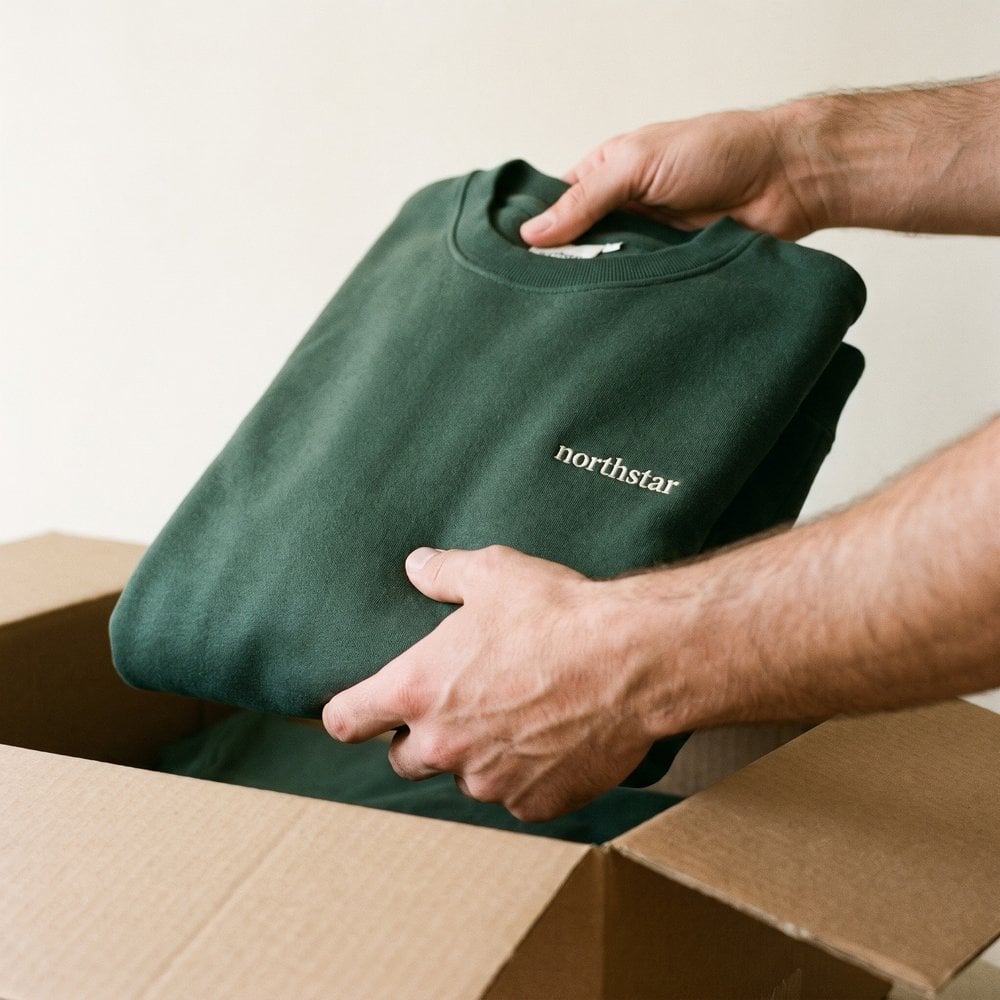
Producing only after an order avoids a pile of unsold stock. It does not avoid returns, replacements, or waste. The garment still travels out, and a share of it travels back.
The DHL e-commerce trends report finds that 92% of global online shoppers return up to 30% of their purchases, while 58% say they would use a retailer recycling or buy-back program if one were available. Apparel returns are mostly a size problem. Put garment measurements, fit photos across body types, and a size chart on the product page before you spend energy on a clever returns portal. People can't exchange their way out of a chart that was never there.
Where a returned piece should go
| Returned Item | Best Route | Practical Note |
|---|---|---|
| Unworn, correct size | Restock or resell | Keep tags and packaging to protect resale value |
| Wrong size, good condition | Size exchange or resale | Offer the exchange before a refund |
| Defective print or stitching | Repair, replace or recycle | Flag the defect to the production partner |
| Worn or damaged | Donate or recycle textiles | Check local textile recycling options before sending |
Reverse logistics still costs money and material. A replacement shipment, a new mailer, and a cross-border return happen even when you never printed a spare. "Nothing in the warehouse" is not the same as a light footprint.
Publish a policy a fan can read before buying and again after sending something back. State the return window, who pays cross-border shipping, and how long a refund or exchange takes. That page is where trust is kept or lost, long after the drop graphic has stopped circulating.
Confirm Your Fit and Run One Small Drop
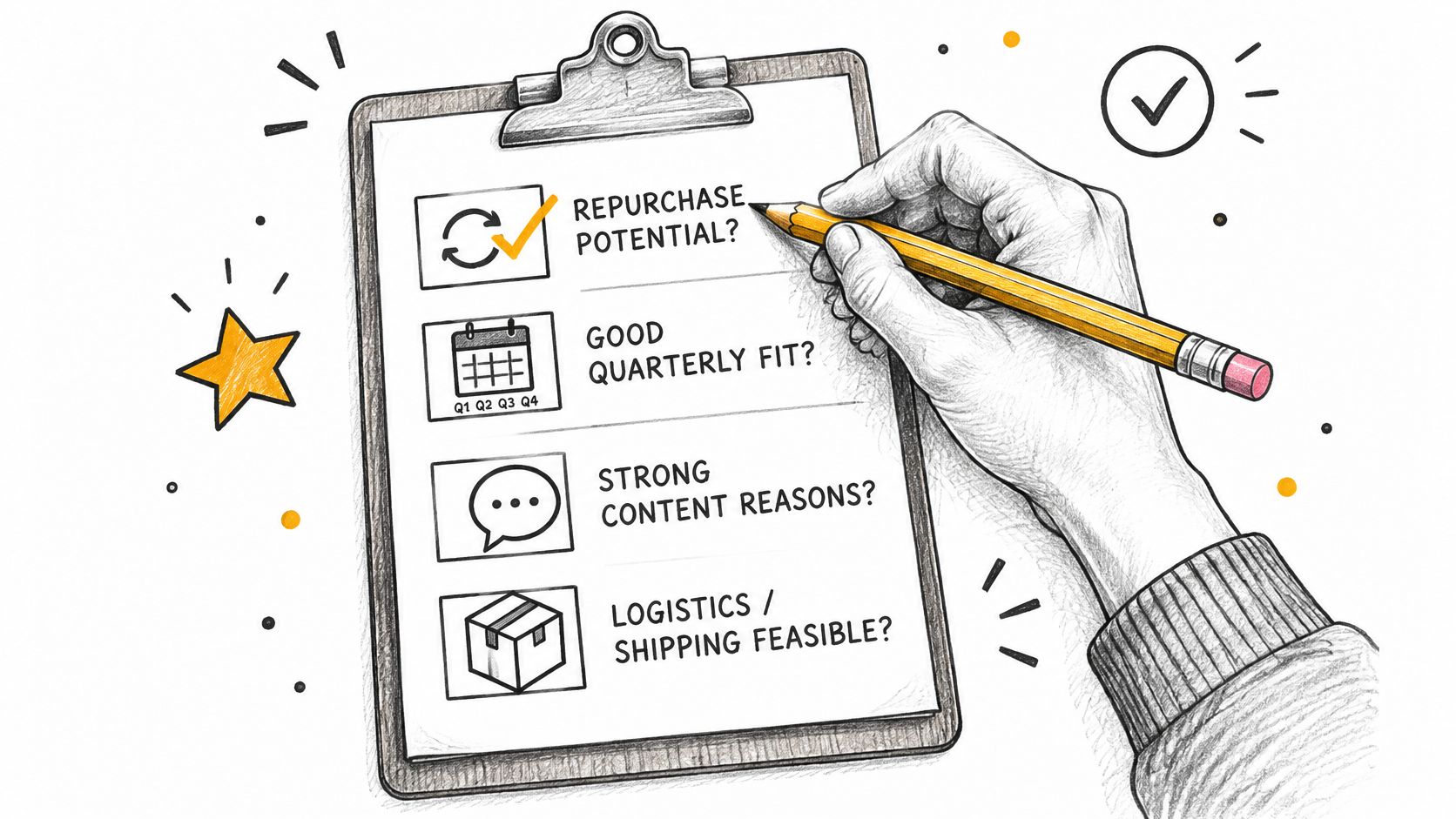
A store is the right next step only if the audience will use it more than once. Answer four questions before you build anything.
- Does this audience buy more than once? One viral weekend isn't a store.
- Do you release new designs at least quarterly? A single graphic can't carry a catalogue.
- Does the content give a natural reason to wear the product? If the merch never appears in the work, the shop feels bolted on.
- Can you cover fulfilment, returns, and customer service? Unanswered size emails erase the margin.
If most answers are yes, start with one small drop, not a full range. If the need is company swag, a store makes sense once requests pile up. Our rule is that a company needs a swag store once its People Ops or HR team fields more than ten swag requests a month from employees. Teams at ClickUp and NewStore already run their merch with us, and a FLYP employee merch store is shown in a mockup as going live in 48 hours. Test the fit of the store before you commit to any provider, including us. A fast launch that ignores returns still creates the mess you were trying to leave behind.
Pick one model from the comparison of creator drops, link-in-bio shops, video tags, and company credit stores. Launch one product in one drop. Measure sell-through, returns, and checkout completion. Scale only if those three numbers still look acceptable after the sample, the courier bill, and the first exchanges.
FLYP LTD turns a creator or company brief into a fan merch store, then runs production, international shipping, customer service, and returns after the designs are approved. That is the path if you want video tags, link-in-bio shops, or an employee credit store without a pile of unsold blanks. Visit FLYP LTD and set up the storefront that matches the audience you already have.