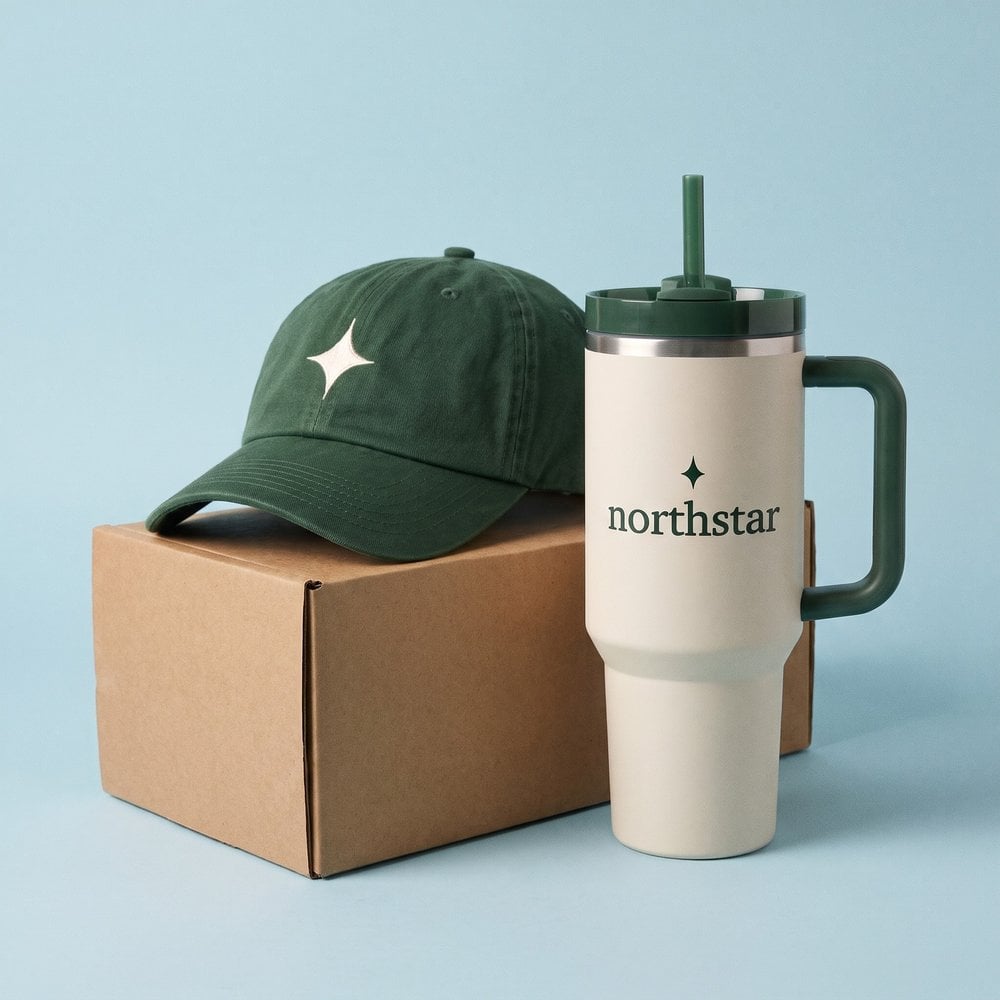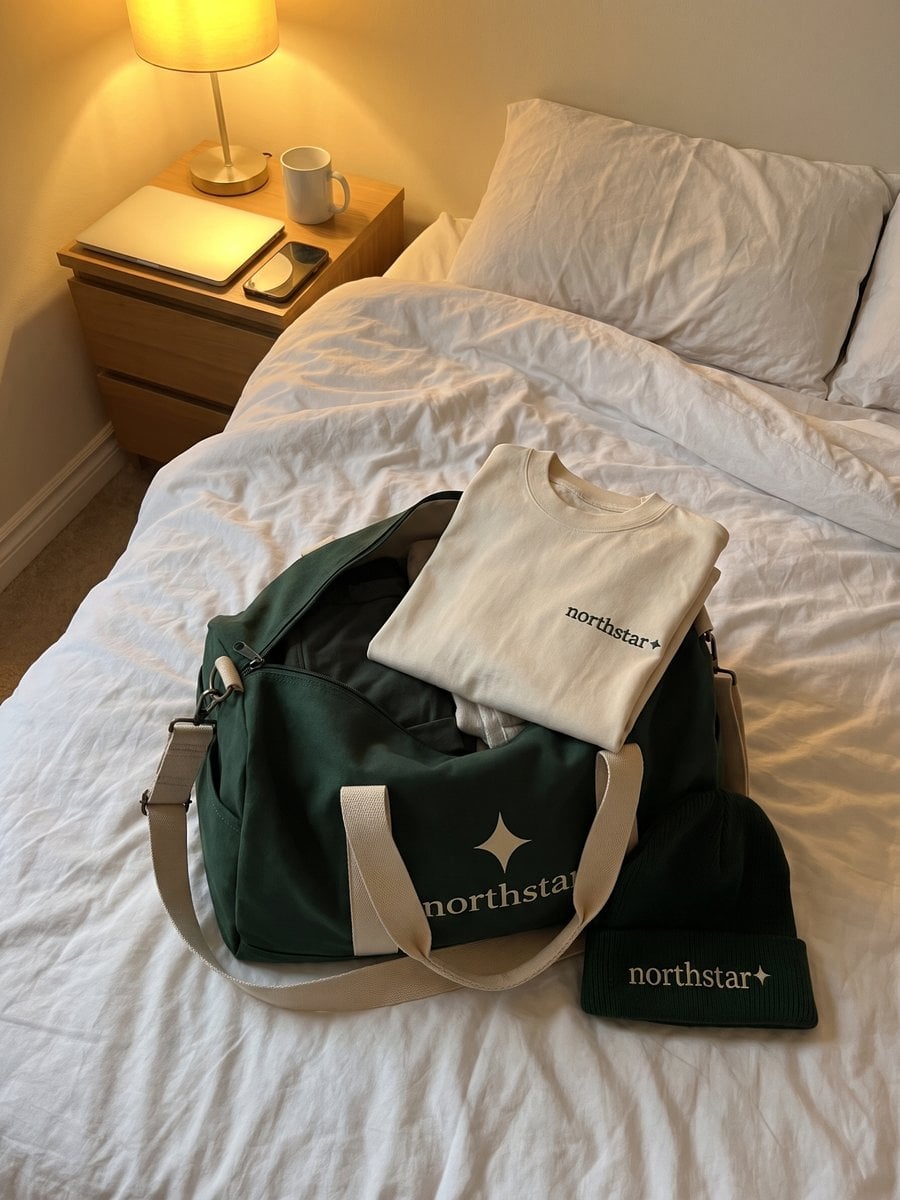
At 4 p.m. on day two of a conference, the tables outside the main hall tell you everything. A drift of cheap pens. Three tote bags nobody picked up. A pile of plastic doodads that will be swept into a bin before the closing keynote. Somewhere in a suitcase, one hoodie in the right size is about to become someone's default travel layer for the next three years.
The gap between those outcomes isn't budget. It's utility, fit and timing. A bottle that survives daily use beats a gadget that dies in a drawer, and a garment in the wrong size is worse than no garment at all, because the recipient remembers the waste every time they see it at the back of a closet.
The same logic governs personalized gifts for valued clients, where one well-chosen object outperforms a hamper of filler. Good meeting swag ideas only work when the item has a job to do after the meeting ends.
This list is organized around that job. Eight formats, each judged on whether it gets kept, worn or binned, with the sizing, shipping, certification and sustainability trade-offs spelled out.
Table of Contents
- 1. Premium Apparel (Hoodies, Tees, Fleece Jackets)
- 2. Insulated Drinkware (Tumblers and Water Bottles)
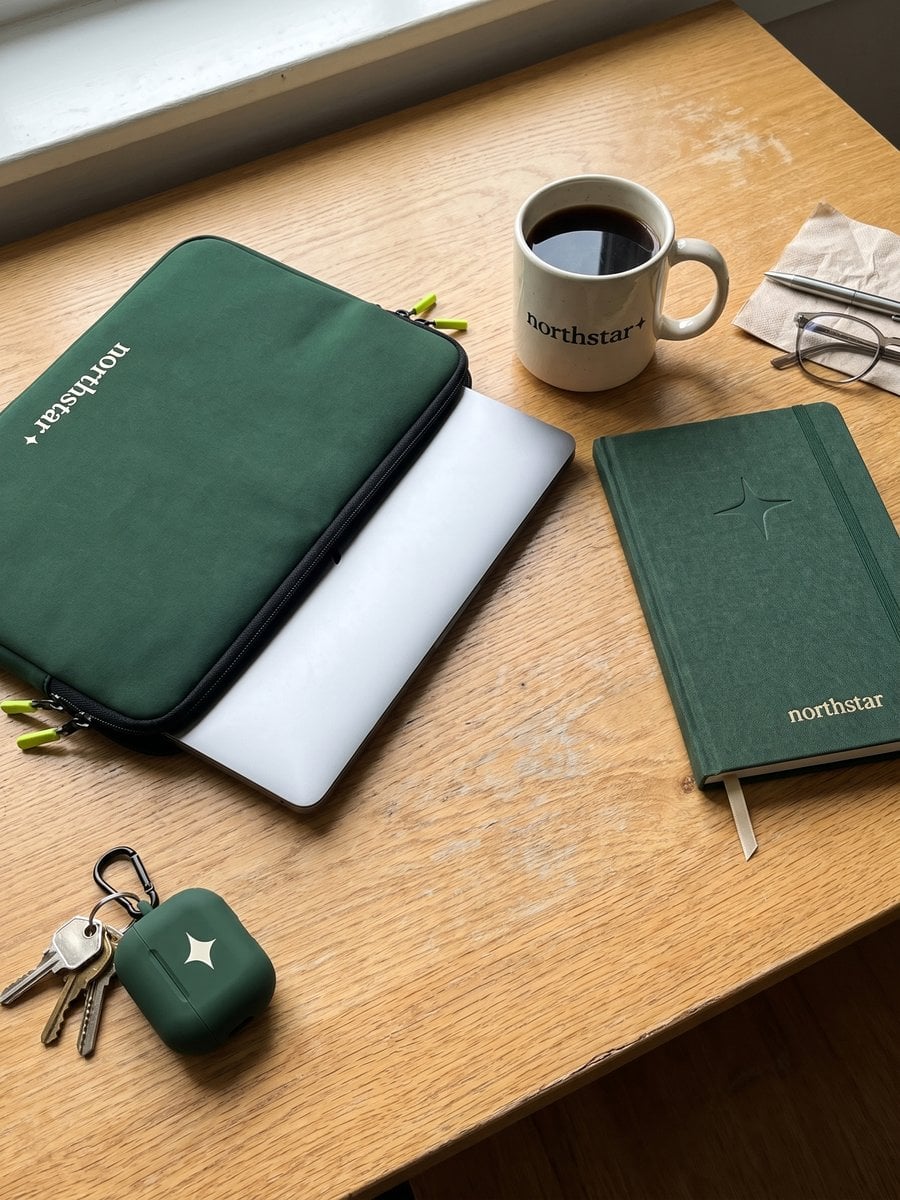
- 3. Tech Accessories (Chargers, Power Banks, Laptop Sleeves)
- 4. Premium Notebooks and Stationery
- 5. Enamel Pins and Collectible Accessories
- 6. Sustainable and Eco-Friendly Swag
- 7. Curated New-Hire Onboarding Kits
- 8. Employee Choice Stores and Swag Catalogs
- Meeting Swag Ideas at a Glance
- From Idea to Kits People Keep
1. Premium Apparel (Hoodies, Tees, Fleece Jackets)
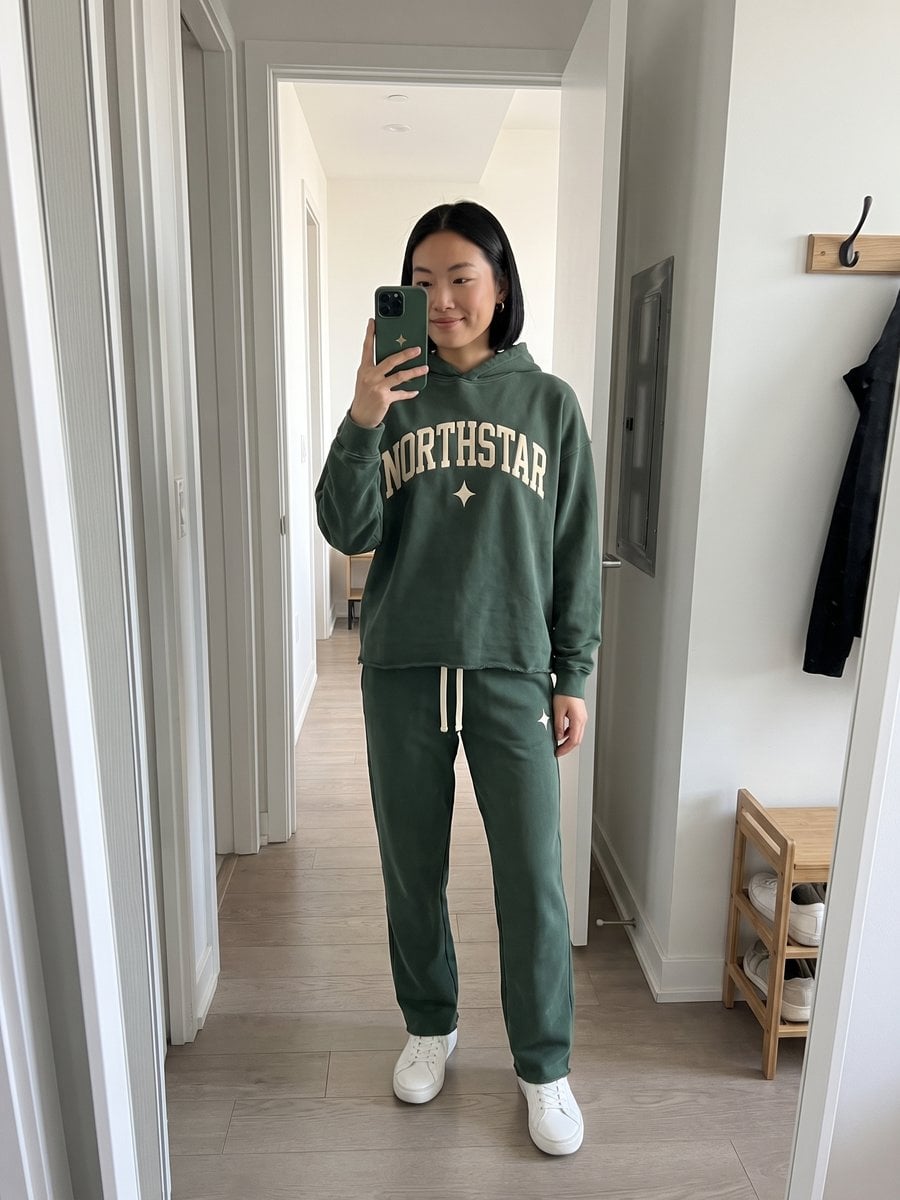
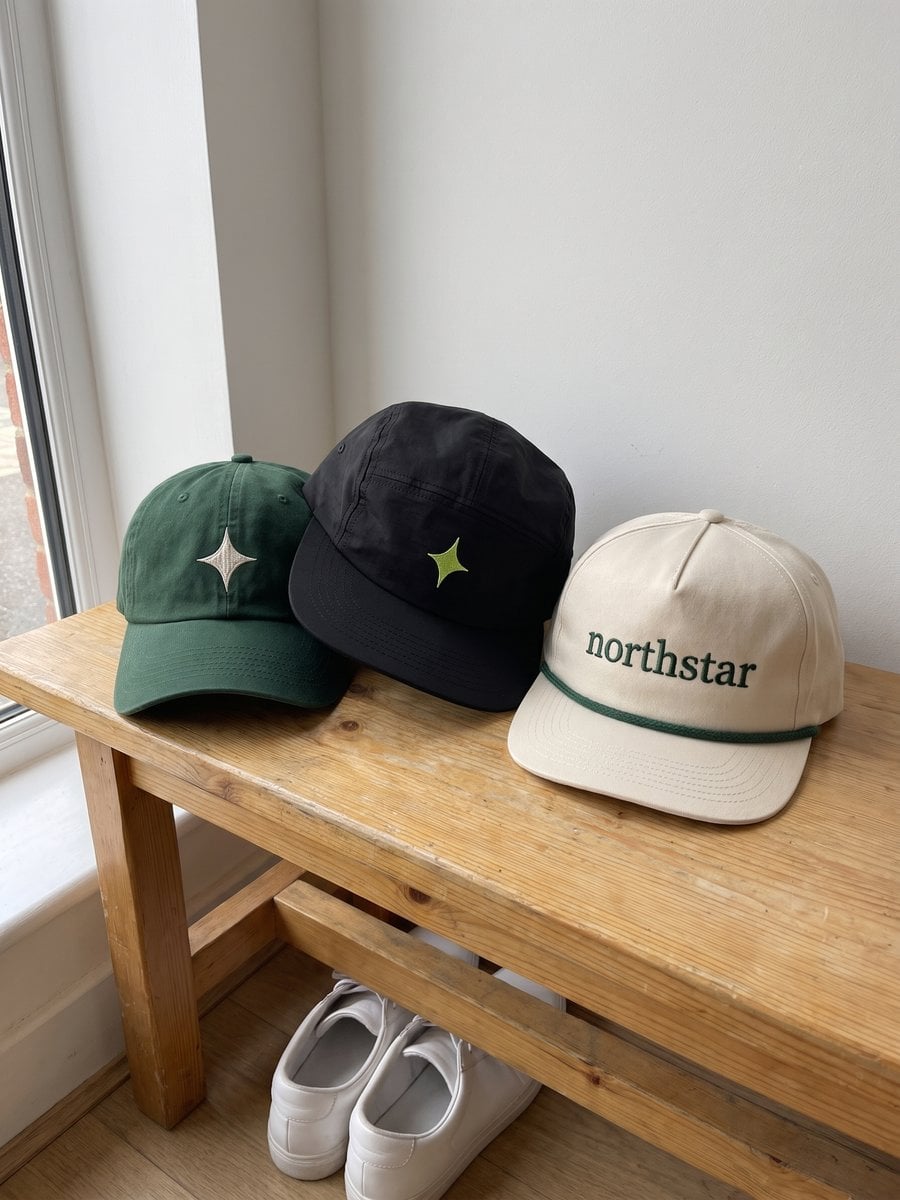
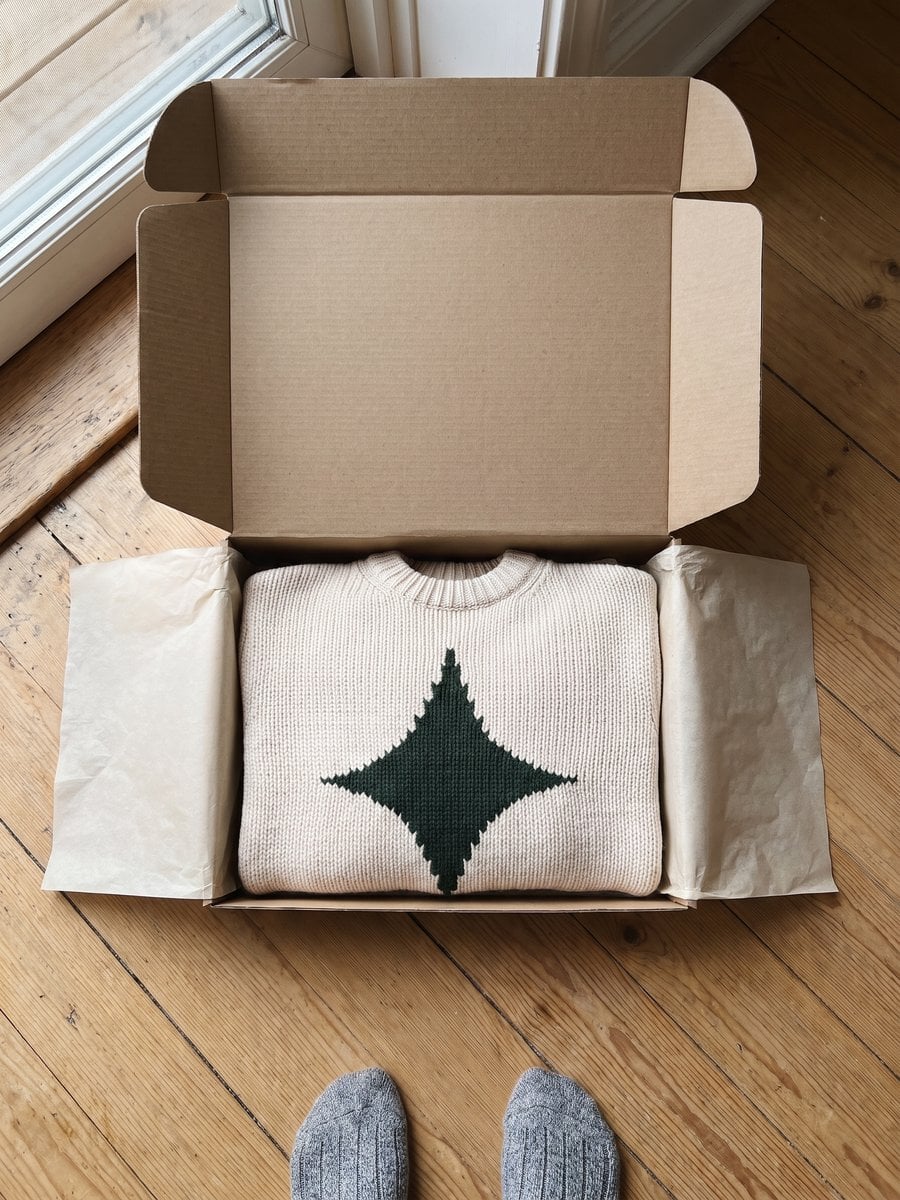
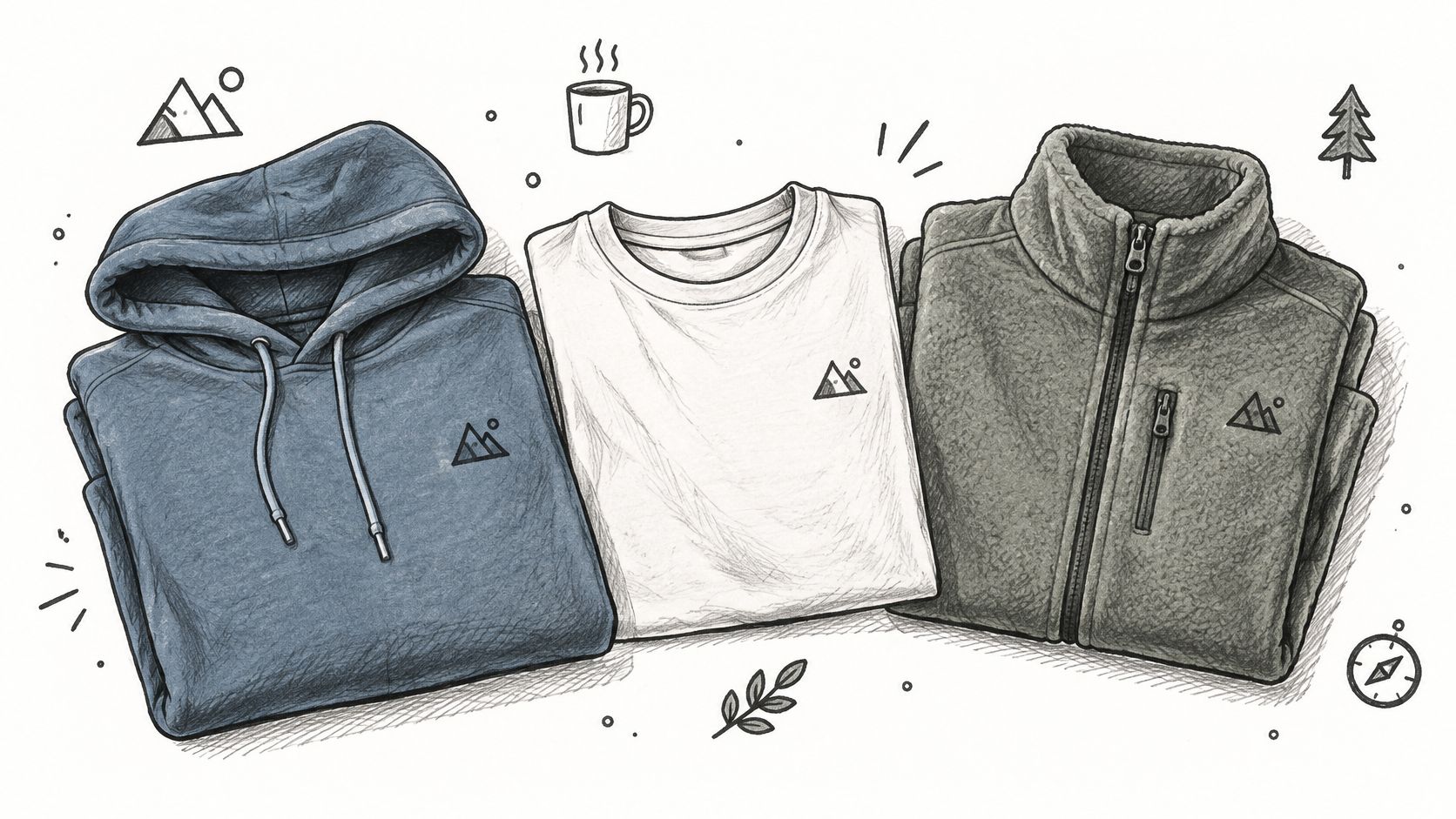
Wearable swag is the only category where the recipient handles distribution for you. A heavyweight hoodie leaves the venue on someone's back, gets worn on a flight, and appears in photos you never planned. That's the upside. The downside is that a thin, badly fitting garment is a walking advertisement for cutting corners on everything else you make.
Fit Is the Whole Product
Brand recall and message recall don't behave the same way on a garment. A large PPAI consumer study found that nearly 90% of recipients could recall branding on a promotional product when shown response options, while unaided recall of at least one message came in at 23% (PPAI study on promotional product recall). Put the mark where the wearer's eyeline and a stranger's eyeline both land, usually a left-chest hit 3 to 4 inches wide, and let one short line of type do the rest.
- Choose cloth weight before decoration. A 14oz fleece or heavyweight ring-spun tee carries a tonal embroidered mark better than a light blank with a large screen print.
- Standardize on two or three styles. One hoodie, one tee, one fleece covers a global program and keeps quality consistent across factories.
- Collect sizes before production. Send a branded micro-portal from your event platform so attendees confirm size, fit and style themselves instead of you inferring it from a registration list.
- Sample the final blank, not a mockup. Wash it twice, then check print and embroidery durability before a global rollout.
Practical rule: budget a size-swap allowance on every apparel drop, then work to shrink it next cycle. If swaps run high, your size chart is the problem, not the garment.
2. Insulated Drinkware (Tumblers and Water Bottles)
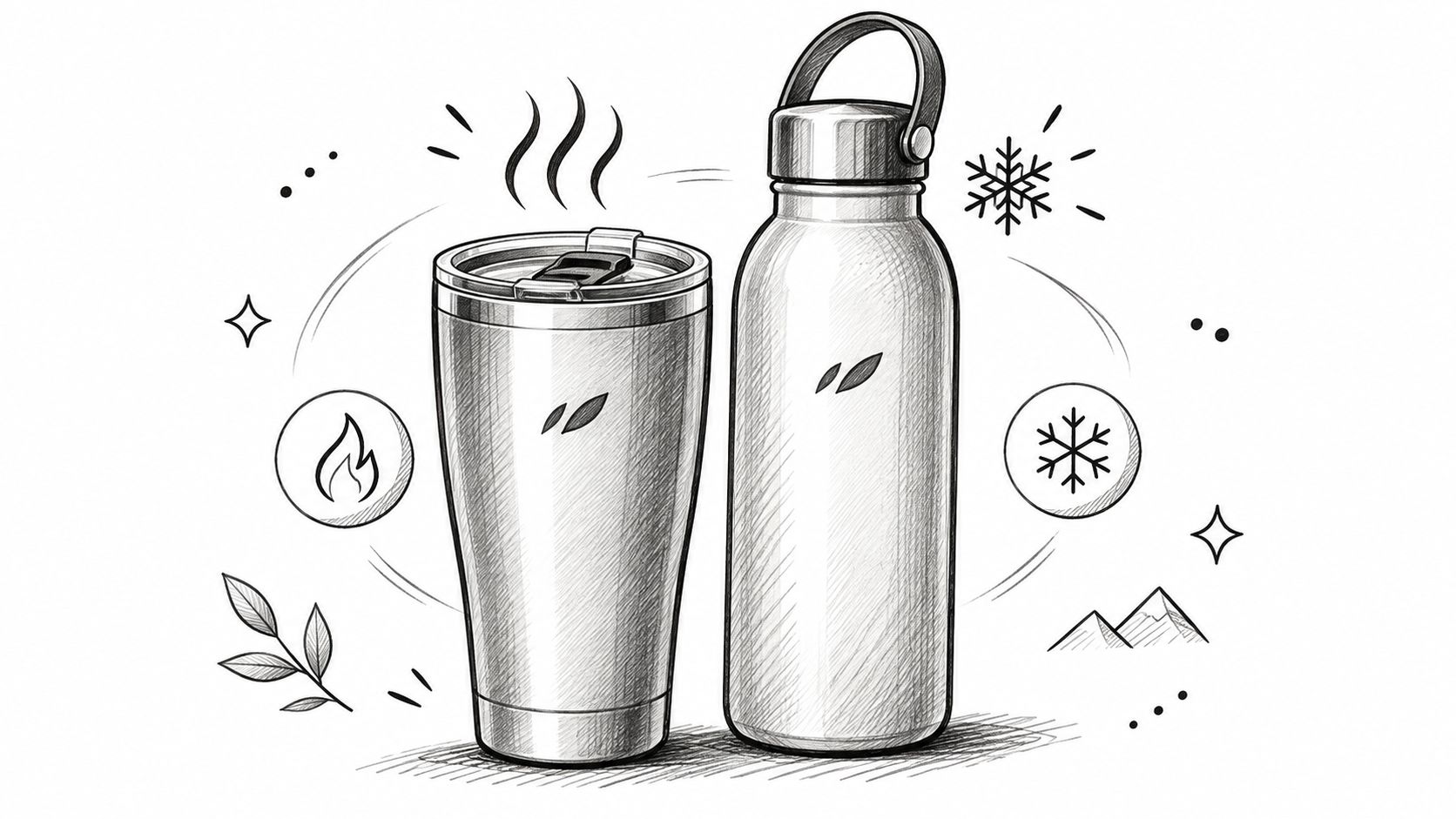
A bottle that survives a year of desk use does more brand work than most paid media. It sits in meetings, goes to the gym, gets photographed next to laptops. It also ships anywhere without a size chart, which makes it the easiest item to run across regions.
Retention data supports the category, with a caveat. In a 2025 PPAI consumer study, 54% of respondents still had the last promotional product they received and 61% clearly remembered the sponsoring brand (PPAI research on promotional product impact). That study covers consumer promotional products rather than employee-only swag, so treat it as a directional benchmark and not a promise for your internal meeting.
The Lid Decides Whether It Travels
- Leak-test before you commit. Fill ten units, lay them sideways in a bag for an hour, then check the seams. A lid that weeps makes the item a chore.
- Engrave metal, don't print it. Laser engraving doesn't chip in a dishwasher, and it reads as premium at a glance.
- Match the format to the room. A 20oz tumbler suits desk-based teams and hotel meeting rooms. A wider bottle with a chug lid suits outdoor offsites and site visits.
- Substantiate recycled claims in writing. If your artwork says recycled steel, get the supplier certificate before the messaging goes anywhere near a stage.
A bottle paired with a short welcome card reads as a gift. The same bottle dropped into a tote with five other objects reads as inventory. That packaging decision costs almost nothing and changes how the item is received.
3. Tech Accessories (Chargers, Power Banks, Laptop Sleeves)
Say you order 600 power banks for a two-day offsite. The units are perfect, the price is right, and the shipment sits in customs because nobody produced the battery test summary and safety data sheet the carrier asked for. The meeting happens. The swag doesn't.
Tech accessories solve a daily problem for hybrid and remote teams, which is why they get kept. They also carry the heaviest compliance burden of any category on this list, and that burden lands on your timeline, not the supplier's.
Certifications Set Your Timeline
- Request battery documentation at quoting stage. For anything with a lithium cell, ask for the UN38.3 test summary and the safety data sheet before you approve artwork.
- Standardize on USB-C power delivery. A 20W or higher PD charger covers phones, tablets and most laptops, and it stops you ordering three regional variants.
- Decide plug strategy by region. Either supply regional plug heads or exclude mains chargers from the kit entirely and send cables plus a power bank.
- Test one unit for a week. Charge cycles, heat and cable fit are the failure points, and a week of real use finds them faster than a spec sheet.
If a supplier can't send certification documents within 48 hours of asking, that tells you what the rest of the program will feel like.
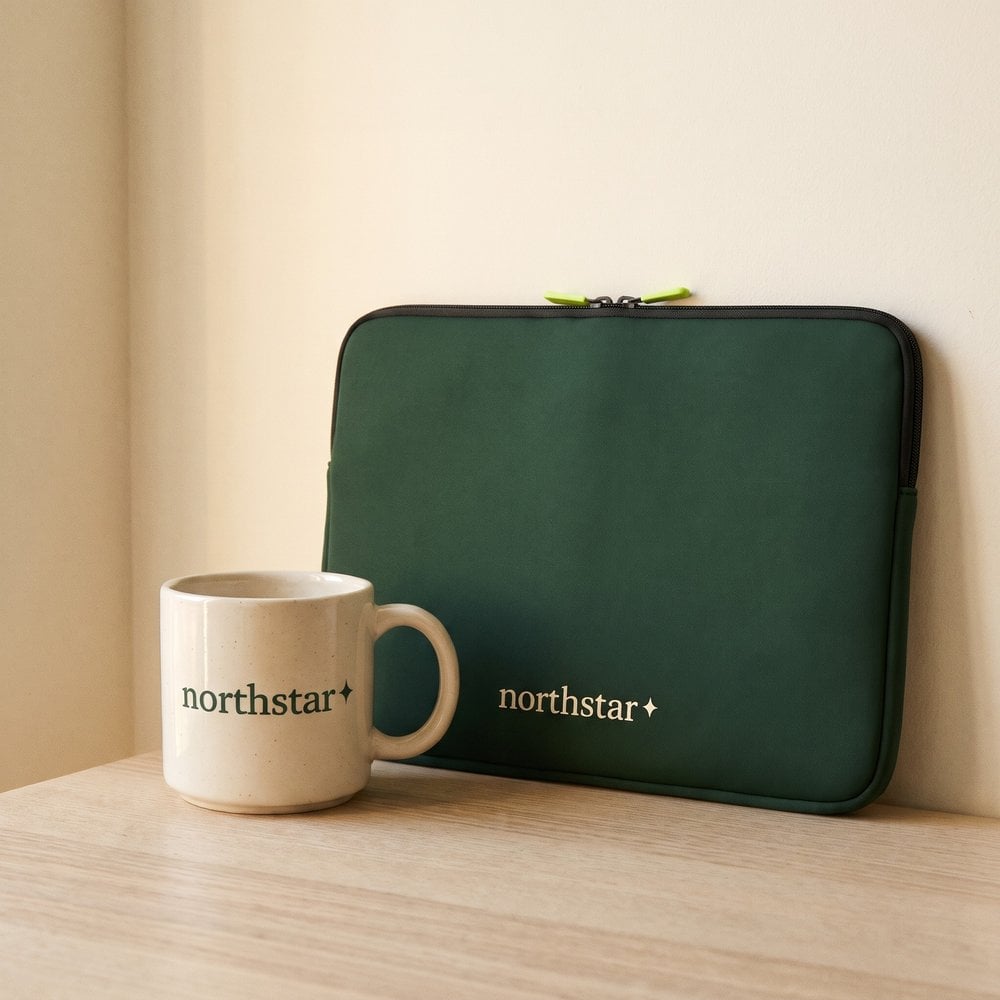
Laptop sleeves are the low-risk alternative. No cells, no plugs, no customs conversation, and a sleeve in a standard 13 to 16 inch fit covers most of a hybrid workforce without a sizing exercise.
4. Premium Notebooks and Stationery
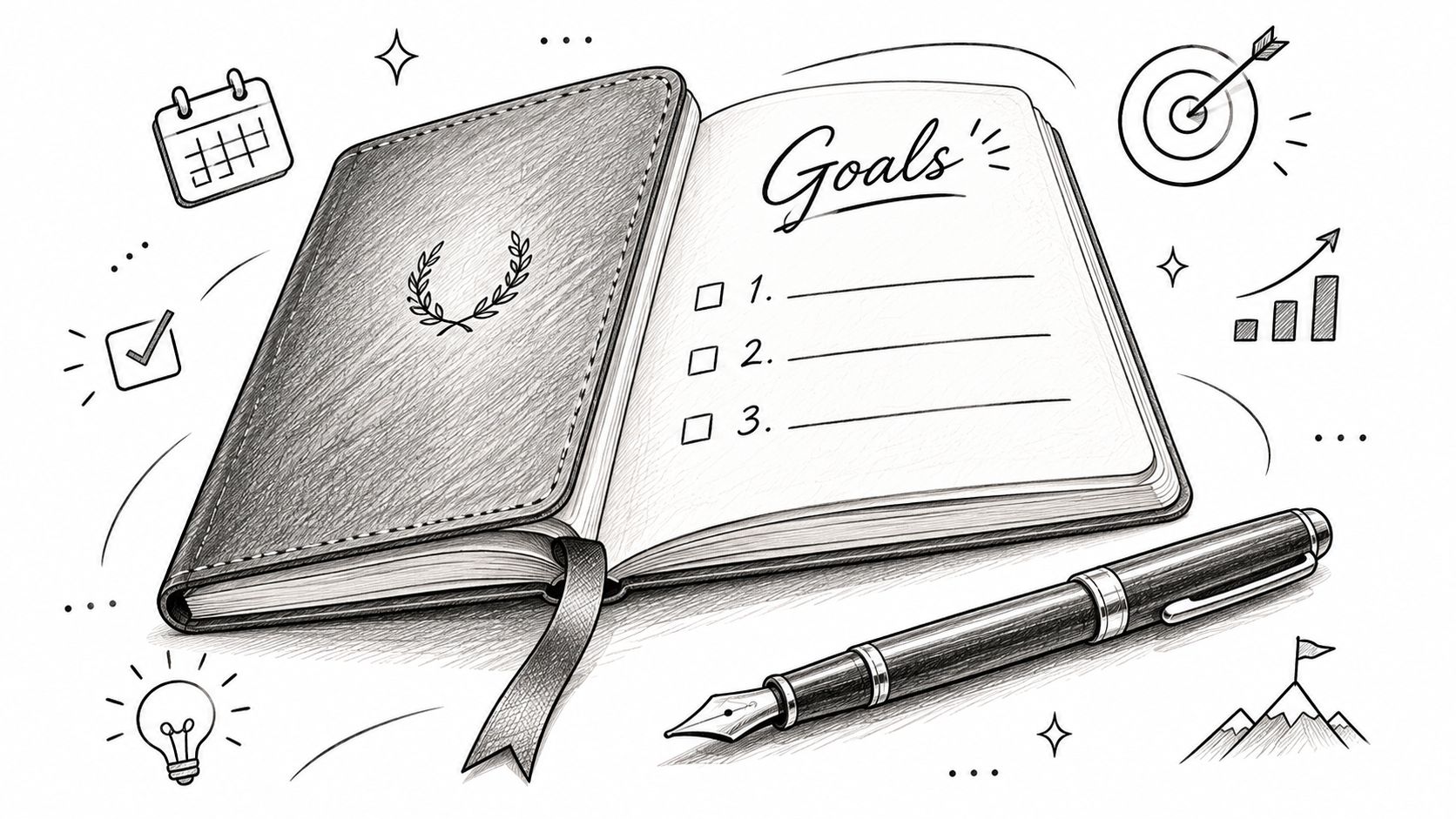
Digital swag is cheap to send and easy to ignore. A physical notebook sits open on a desk for months, which is why it keeps showing up in onboarding kits and workshop packs. The preference for physical is measurable: in 2024, 49% of U.S. consumers surveyed by RainFocus preferred traditional giveaways, such as merchandise or drinkware, over digital giveaways (RainFocus survey on in-person events).
Paper Quality Beats Cover Branding
- Test the paper with the pen you're shipping. Nothing undercuts a premium cover faster than bleed-through on page one.
- Deboss rather than foil. A blind deboss on a textured cover looks considered. Metallic foil looks like a conference souvenir.
- Give the notebook a job. A single printed page at the front, "three things you want from your first 90 days," turns a blank book into a tool people keep.
- Pair it with a pen. A notebook without a pen is a gift with an errand attached.
If the meeting generates printed materials, coordinate the notebook with your letterheads and business cards so the kit reads as one system rather than three vendors with three ideas about the brand.
For internal learning programs, order these in volume and skip the extras. A good notebook and a reliable pen outperform a tote bag in a room full of people who already own several tote bags.
5. Enamel Pins and Collectible Accessories
Nothing else on this list ships for less or gets collected as deliberately. Pins are small, light, and cheap to post internationally, which makes them the practical choice for large distributed programs and multi-stop event tours.
They also change behavior in a way most swag doesn't. A PPAI buyer behavior study reported that 62% of respondents in a consumer study said they would visit a specific trade-show booth solely to obtain a particular logoed item from a favorite brand (PPAI on trade shows and promotional products). That only works if the item is desirable enough to justify the walk across the hall.
Booth Traffic Is a Design Problem
- Number the series. A dated pin per event or per quarter creates a reason to come back, and it gives collectors something to complete.
- Use secure backings. Rubber clutches and locking backs survive a conference bag. Magnetic backs get lost and take the brand with them.
- Keep lines bold. Fine detail disappears in enamel. If the logo has a thin wordmark, simplify it for this format rather than shrinking it.
- Treat pins as an add-on. They're a strong supplement to a larger kit and a weak standalone gift for a senior audience.
A realistic program: four pins a year tied to launches, regions or event milestones, each mailed to remote staff who can't attend in person. The cost stays low, the collection builds, and the office lanyard becomes a small scoreboard of where someone has been.
6. Sustainable and Eco-Friendly Swag
The registration desk closes and a stack of unused totes sits under the table. Those bags were never going home. Event planners are increasingly questioning whether every attendee needs a promotional item. Ask whether they want a kit, offer a charitable donation instead, or specify recycled materials for the pieces you still produce.
I judge a sustainable item by what happens after the meeting. Worn or reused, it earned the freight. Left in a hotel bin, it was packaging with a story. Size, shipping method, and material choice decide which pile it lands in. A recycled-content piece nobody wanted is still waste.
Match the certificate to the claim. GOTS covers organic cotton, GRS covers recycled content, and FSC covers paper. A certification number is the claim. Delete "eco-friendly."
Shipping is the other half of the footprint. One pallet to a regional hub, then local fulfilment, beats 800 individual parcels in 800 boxes. For a distributed audience, ship only the kits people confirmed. A registration question that lets someone decline the kit, or redirect its value to a local cause, cuts waste and freight together. Capture size and style on that same form. Apparel that fits gets worn after the trip. Apparel that doesn't gets thrown away the same week.
Name a donation partner and set a collection point at the exit before you place the order. A heavyweight embroidered tote that holds the rest of the kit and gets reused after the event earns its cost. A thin bag printed for one afternoon does not.
Expected use, lifespan, packaging, repairability, and leftover-stock risk sit under the material choice. For the sourcing and reporting side of that policy, this guide to sustainable company swag goes further.
7. Curated New-Hire Onboarding Kits
A kit that arrives in week three is a parcel. A kit that lands the Friday before day one is an onboarding moment, and the difference is entirely logistics.
The supply base can carry this now in a way it couldn't a generation ago. PPAI reported that distributor sales surpassed $26 billion in 2023 after rising 2.24%, and the association has tracked sales volume since 1965 (PPAI's review of the 2025 industry expo). Mature production and distribution networks are what make a coordinated multi-country kit program realistic rather than aspirational.
The Two-Week Shipping Cutoff
- Capture sizes and addresses at offer stage. Pre-boarding is the only moment you reliably have both.
- Tier by role or region. A standard kit, a senior kit and a regional variant control cost without flattening the experience.
- Pre-sort bulk shipments. Bulk orders can ship to a venue and arrive pre-sorted by attendee or breakout group for day-one distribution.
- Direct-send for remote hires. Shipping each kit to a home address before the start date beats hoping it clears reception.
The flow, from approved brief to a box on a doorstep, runs like this.
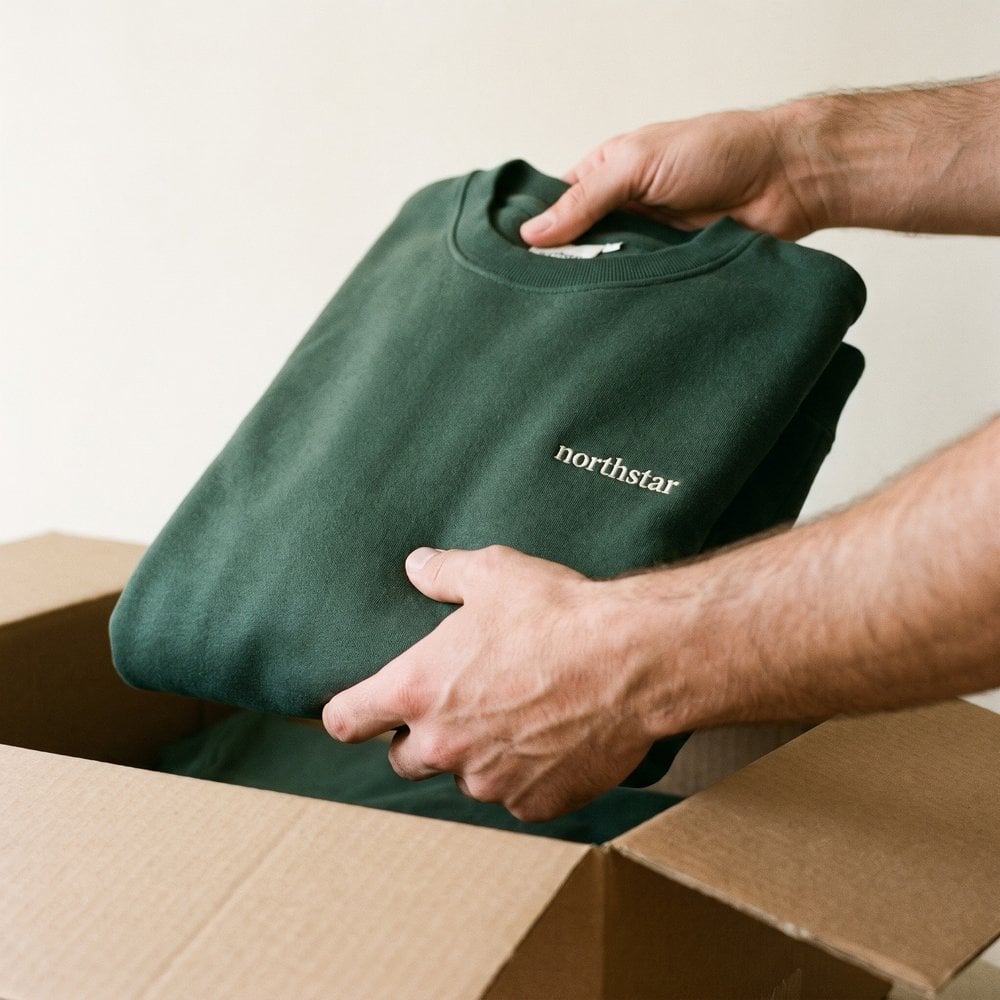
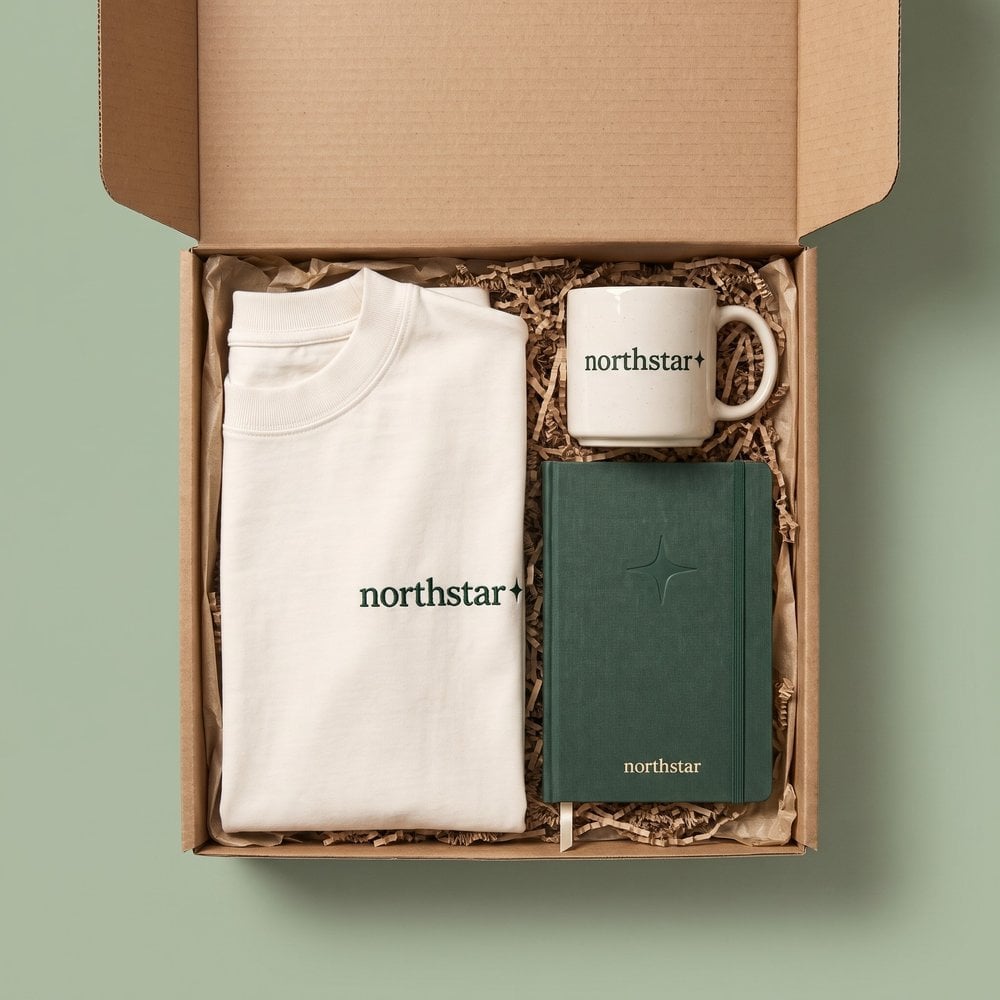
For a four-piece kit (tee, notebook, bottle, welcome card), lock the shipping cutoff at least two weeks before the start date and hold a small buffer for late accepts. If you're designing the whole sequence, this employee onboarding kit guide walks through the tiers and the copy that goes in the box.
8. Employee Choice Stores and Swag Catalogs
The trigger point is admin, not headcount. Once your People Ops team is fielding more than ten individual swag requests a month, a catalog beats a purchase order, because the same questions about sizes, colors and shipping get answered by a storefront instead of a person.
The preference data is blunt. In a surveyed group of U.S. employees, 41% preferred gifts they could use every day and 52% preferred choosing among several options rather than receiving the same item as everyone else, while 83% valued gifts customizable to their preferences (Vistaprint survey on corporate gifting). One enterprise customer put the shift this way: "Swag should be something people want to wear, so giving our employees the freedom to choose their own items was a big part of why we made this change."
Set the Catalog Size Before You Launch
- Launch with 20 to 40 items. Enough to cover apparel, accessories, tech, desk and one or two event-specific pieces. More choice means more abandoned carts.
- Publish the rules. Credits per person, refresh dates, shipping windows and regional substitutions, all in one place.
- Review redemption data quarterly. Anything underperforming comes out. The catalog should shrink as often as it grows.
- Keep an eye on the numbers. Redemption rate, cost per redeemed item and regional mix tell you whether the budget is reaching people or sitting in a warehouse.
Across dozens of swag store rollouts, the same failure mode keeps appearing: too much variety at launch, then a long tail of items nobody picks. Company store software is worth understanding before you build one, mainly so you know which controls to demand from day one.
Meeting Swag Ideas at a Glance
| Swag Idea | Best For | Sizing/Shipping Risk | Relative Cost |
|---|---|---|---|
| Premium Apparel (Hoodies, Tees, Fleece Jackets) | Onboarding, recognition, and events | High sizing and inventory risk | High |
| Insulated Drinkware (Tumblers and Water Bottles) | Daily use across roles and regions | Low sizing risk; check for breakage and leaks | Medium |
| Tech Accessories (Chargers, Power Banks, Laptop Sleeves) | Remote workers and tech events | No sizing risk; batteries may face shipping restrictions | Medium to high |
| Premium Notebooks and Stationery | Onboarding and learning programs | Low shipping risk | Low |
| Enamel Pins and Collectible Accessories | Events, creator communities, and limited-edition drops | Low risk; lightweight and easy to ship | Very low |
| Sustainable and Eco-Friendly Swag | ESG-focused programs and environmentally conscious recipients | Varies by item; verify material claims and availability | High |
| Curated New-Hire Onboarding Kits | Welcoming new hires and remote onboarding | High logistics risk, especially for global delivery | High |
| Employee Choice Stores and Swag Catalogs | Global recognition and milestone programs | Lower inventory risk; requires catalog and regional management | Variable; depends on selections and program setup |
From Idea to Kits People Keep
The best meeting swag idea is the one matched to your format, audience and budget line, not the one with the highest perceived cool factor. Apparel carries cultural weight and should anchor onboarding and milestone drops. Drinkware and tech accessories earn their place through daily utility. Notebooks fit learning programs and workshops. Pins do the work at booths and event drops where the unit cost has to stay low. Onboarding kits and choice stores handle scale once you're shipping to hundreds of people across regions.
Treat logistics as part of the product. Collect sizes at registration or offer stage, set a shipping cutoff that allows for international transit, and get any sustainability claim documented before artwork goes to print. Leftover stock is the most expensive line in the budget, so order to demand and keep a small buffer rather than a warehouse.
Then measure the thing that matters. Opt-in rate, size-swap rate, and the share of recipients still using the item at 30 days tell you more than a satisfaction score collected on the day. Ask the unaided question too: what brand made this, and what did the meeting ask you to do. This Planstone guide to post-event survey questions is a decent starting point for wording that gets real answers rather than polite ones.
If you'd rather hand over the operational side, FLYP turns brand inputs into on-brand, garment-accurate designs across 600+ premium blanks and runs conference and event kits, typically $35 to $85 per attendee, covering caps, bottles, totes and lanyards at any scale. Programs span new-hire welcome kits, conference swag, company stores, recognition gifts and client gifting, and a free 30-minute scoping call models your event date, headcount, regions and budget to show whether direct-send, a swag store or a hybrid fits your team.
Pick your items, lock the logistics, and give people swag they're still using at next year's meeting.
FLYP LTD builds and fulfills the kits this article describes, from premium apparel and insulated drinkware to onboarding kits and employee-choice stores, with design, manufacturing, international shipping and reporting handled end to end. If you're planning a meeting, an offsite or a new-hire program, the team can scope your headcount, regions and budget in a single call and tell you whether direct-send, a store or a hybrid fits. Visit FLYP LTD to see the platform and book that conversation.