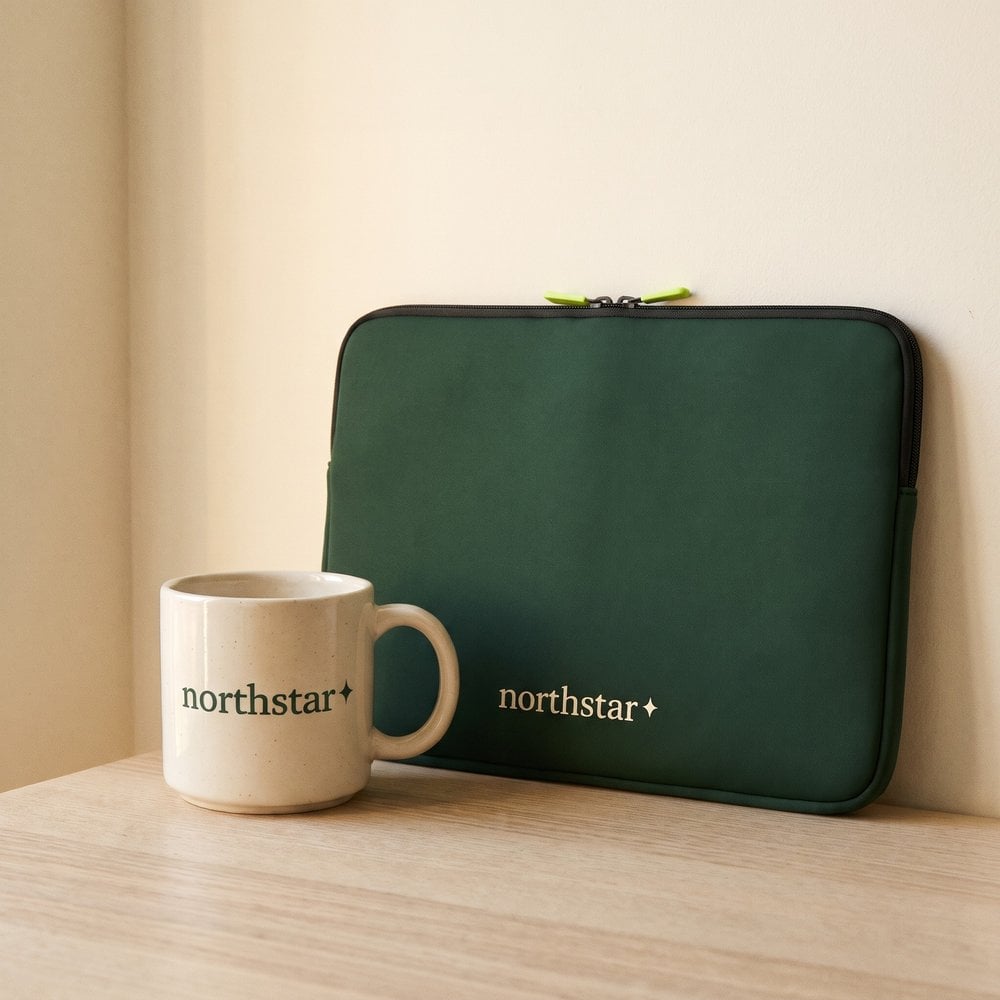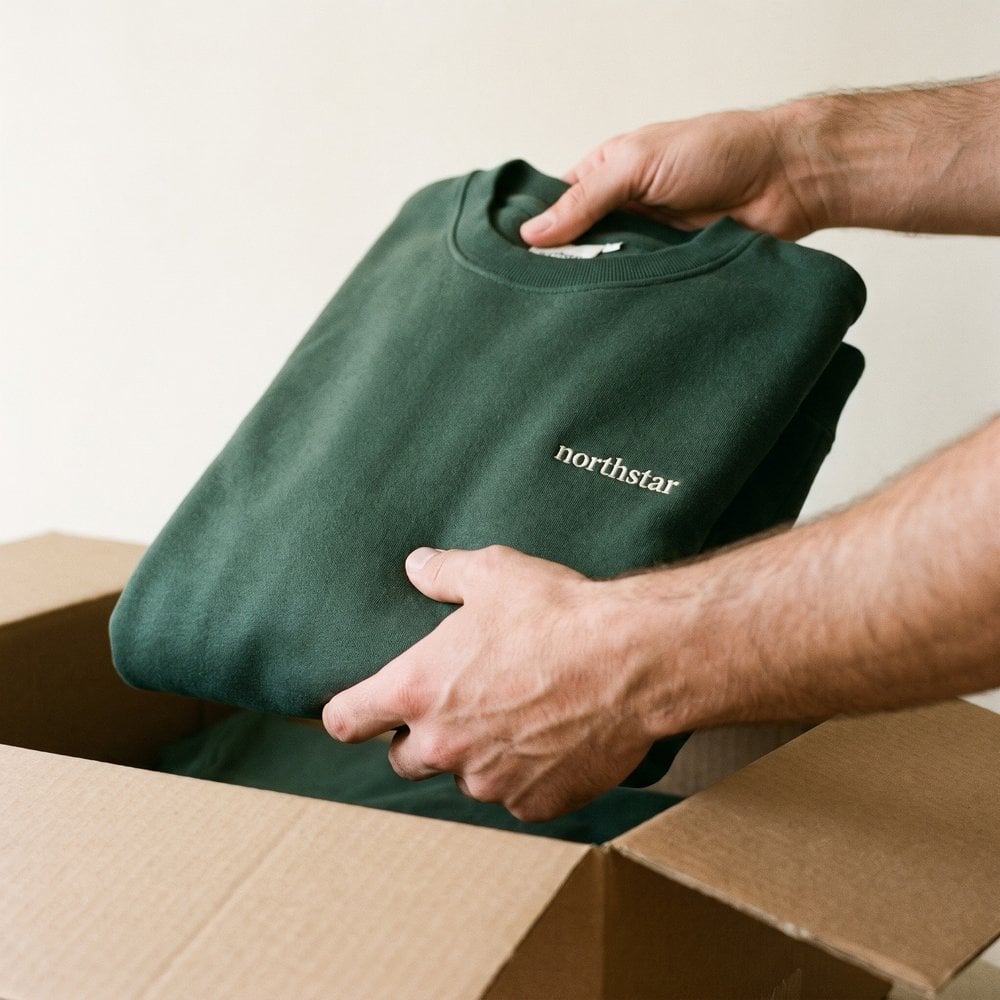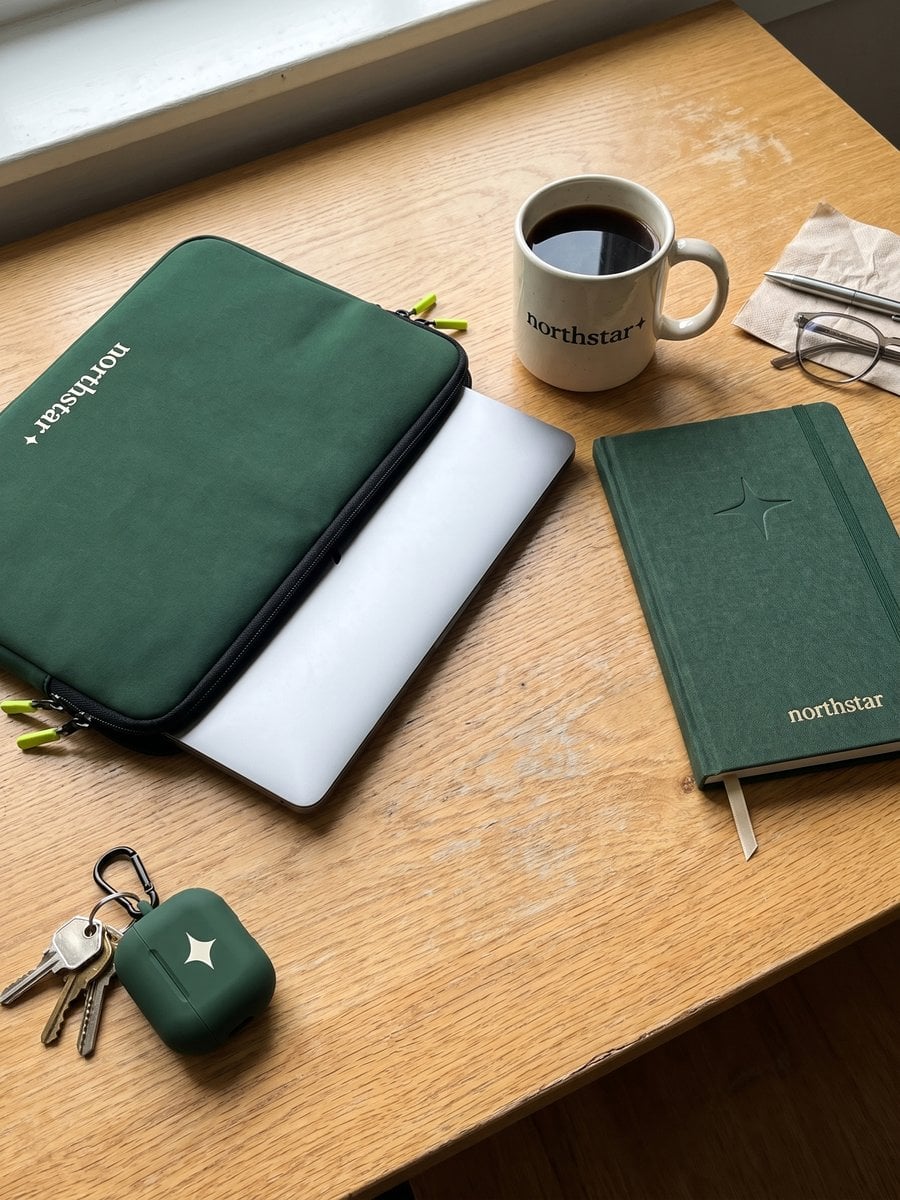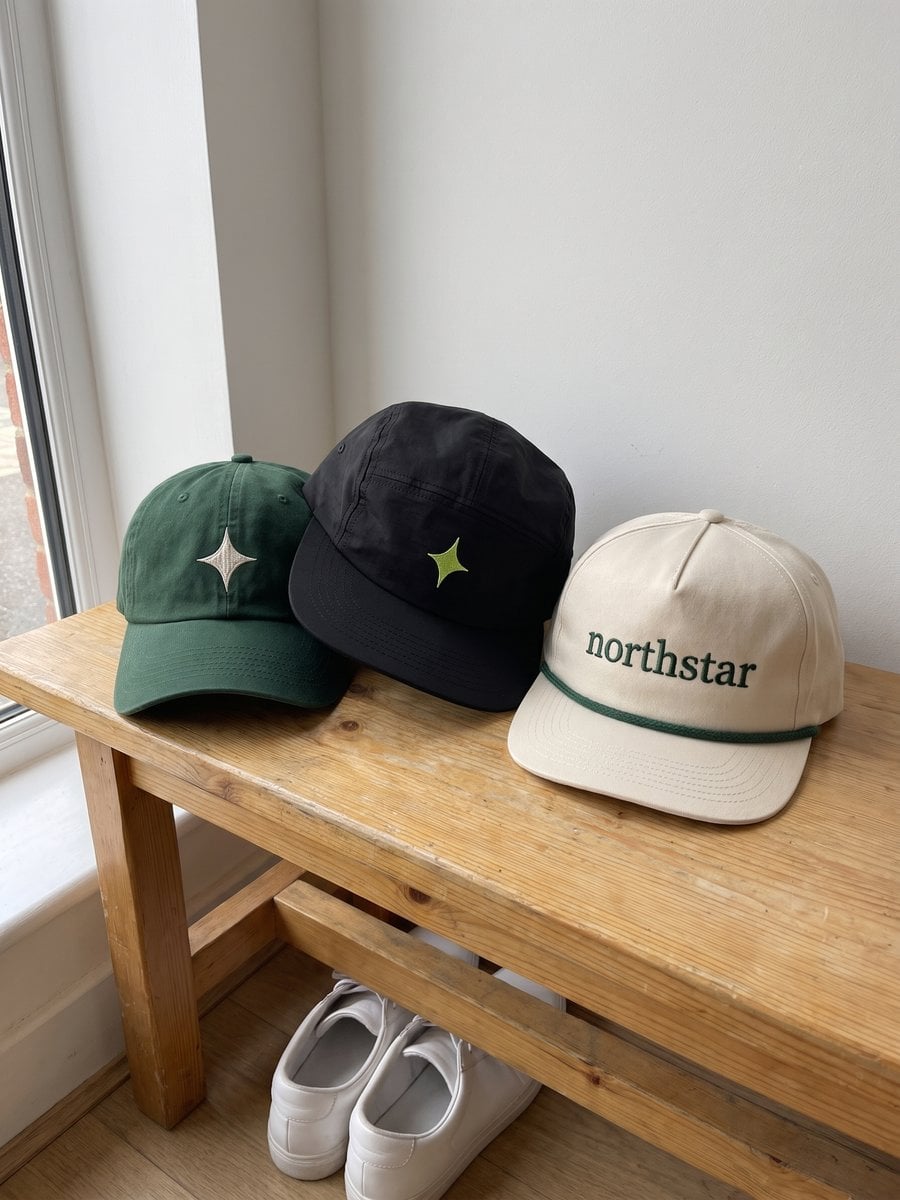
82% of U.S. employees say a personalized gift matters more to them than a generic one, and 52% would rather pick from several options than receive the same item as everyone else. That comes from a 2025 survey of 1,051 U.S. adults working at companies with more than 10 employees, and it cuts against the way most holiday programmes are bought.
Most gift guides answer the wrong question first. They line up products, quote a unit price, and leave you to discover the rest in December: the freight invoice, the exchange pile, the size nobody stocked, the payroll team asking why a gift card turned up in someone's taxable earnings. A 2025 holiday gifting survey reported by ABC27 found that 67% of employees said a meaningful holiday gift would increase their job satisfaction, which raises the cost of getting the mechanics wrong.
Treat this as programme design, not shopping. Fix one per-person number, multiply it by headcount, add the costs that never appear on a catalogue page, check the tax treatment before anyone is promised anything, then pilot on a small group. The order matters more than the products.
Table of Contents
- Holiday Gift Options and What They Cost
- Budget Scenarios for Your Headcount
- Why Choice Beats One Identical Item
- Selection Criteria for a Global Workforce
- Tax, Delivery and Cross-Border Rules
- Direct-Send Kits or an Employee Choice Store
- Confirm the Pilot Before You Order
Holiday Gift Options and What They Cost
Every holiday programme starts with one number, and it isn't the unit price on a catalogue page. It's the fully loaded cost of putting a gift in one person's hands: the item, the decoration, the packaging, the shipping and a returns allowance. Choose the per-person band first, because the band eliminates options faster than any product review will.
| Option | Typical cost | Best for | Watch-out |
|---|---|---|---|
| All-staff tee plus accessory | $30 to $60 per employee | Broad holiday recognition | Sizing and colour choice needed |
| Curated equal-value set | Near the $79 benchmark | Diverse teams who should choose | Too few options feels like one item |
| Premium physical kit | $85 to $140 per employee | Richer tier for a smaller group | Higher landed cost at scale |
| Leader gift | $180 to $320 per employee | A few senior people only | Ruins the all-staff budget if applied widely |
| Gift card or cash equivalent | No fixed face value | Employees who want maximum flexibility | Generally taxable wages in the United States |
Read that table by scope, not by price. The all-staff tee plus accessory at $30 to $60 per employee only works across a whole workforce if people can choose a size and a colour, because an unasked-for medium in an unloved shade becomes a donation bag item by February. A curated equal-value set does more work for a mixed workforce, letting a warehouse team in Phoenix and a design team in Berlin sit on the same budget without receiving the same object.
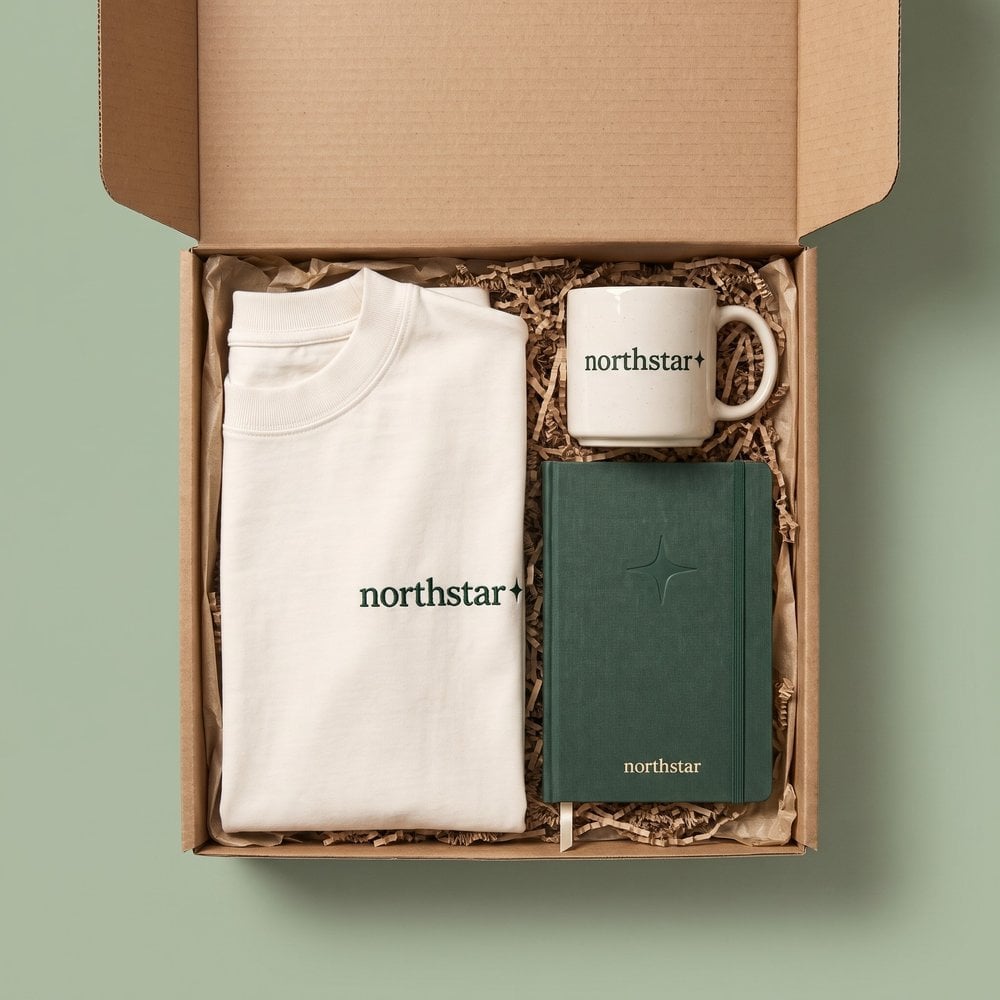
The premium physical kit band of $85 to $140 per employee earns its price on a smaller group: a hoodie or premium tee, a bottle, a notebook and a letterpress card, shipped to a home address. The executive kit at $180 to $320 per employee adds an engraved leather notebook, a wireless accessory and an embossed letter, and it needs to stay with a short list. Apply that tier to everyone and it swallows the all-staff budget by itself.
Then the gift card row, which carries no fixed face value and the highest compliance risk of the five.
Rule of thumb: if a gift requires a size, give the recipient the size choice. Everything else is guesswork you pay for twice, once in the exchange and once in the return shipping.
If your catalogue includes a coffee or break-room element, sourcing reusable K-Cups in bulk keeps the consumable side cheap enough to leave budget for the item people keep.
The right row depends on one question. Is every employee getting this, or only a tier? Write your per-person figure on the same page as your headcount and carry both into the next calculation.
Budget Scenarios for Your Headcount
A per-person figure means nothing until it's multiplied. The grid below does that arithmetic for three headcounts, before shipping, duties, tax gross-up and the contingency you'll need for exchanges.
| Per-employee cost | 500 staff | 1,000 staff | 2,000 staff |
|---|---|---|---|
| $30 (employee-wide tee, low end) | $15,000 | $30,000 | $60,000 |
| $60 (employee-wide tee plus accessory, high end) | $30,000 | $60,000 | $120,000 |
| $79 (2017 U.S. average benchmark) | $39,500 | $79,000 | $158,000 |
| $85 (premium holiday kit, low end) | $42,500 | $85,000 | $170,000 |
| $140 (premium holiday kit, high end) | $70,000 | $140,000 | $280,000 |
The $79 row is the historical benchmark. The Advertising Specialty Institute's 2017 survey reported that companies planned to spend an average of $79 per employee on holiday gifts, which puts a 1,000-person workforce at $79,000 before shipping, taxes, customisation or international fulfilment. Treat it as a scenario line rather than a current price recommendation, because it reflects U.S. plans for the 2017 season.
That survey also shows premium programmes are mainstream, not vanity projects. 23% of companies expected to spend more than $100 per employee, while 75% planned to hold spending at the prior year's level. A 2,000-person workforce at $140 per person is $280,000, which is a very different approval conversation from the same headcount at $30.
Tiering is how you carry both numbers into one plan. A base tier covers everyone. A premium tier covers new leaders, long-service milestones or a short recognition list. Client gifting sits on its own budget line and never comes out of the employee pot; if you're weighing a luxury tier for executives, this look at corporate gifts at the luxury end is worth reading before you set the ceiling.
Landed cost is the figure to defend to finance. Unit price plus shipping, duties, a returns allowance for exchanges, and admin time for address chasing and exception handling. As a planning rule, headcount times per-person cost plus a contingency of about 15% for exchanges and shipping gets you close enough to approve or stop.
Compare that landed total with the approved budget before you approve a single SKU. If the total clears, product selection gets easy. If it doesn't, the tiering decision has to happen first, and no catalogue will solve it.
Why Choice Beats One Identical Item
In 2024, 69% of employees said they would like to choose their own gift, according to Snappy's 2024 Holiday Gifting Report. That number should unsettle anyone planning to order 2,000 identical hoodies and call it appreciation.
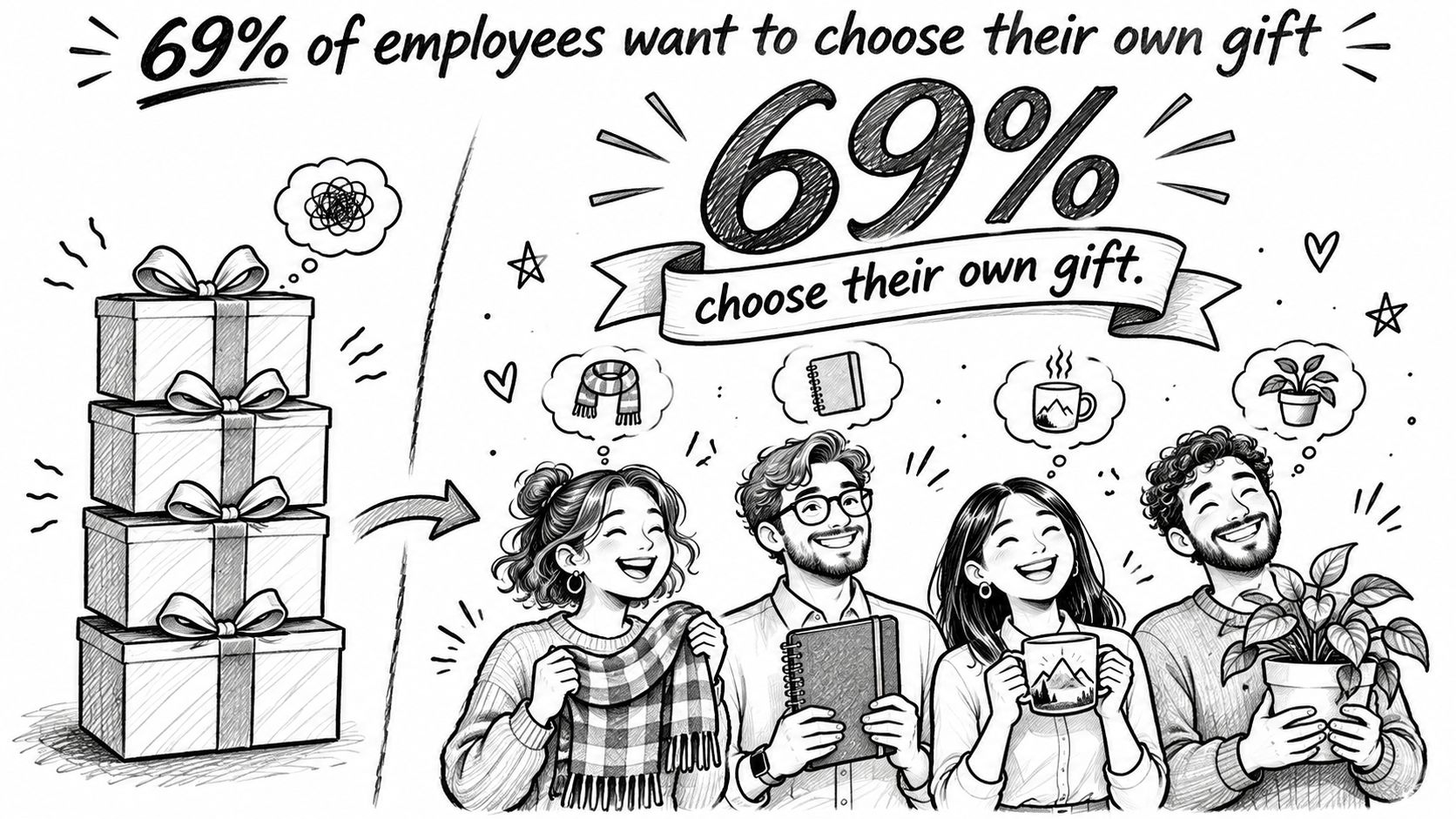
The distinction that matters is set menu versus a menu with three mains at the same price. A single item is a fixed set menu: everyone eats, and someone at every table pushes the fish to the side. A curated set of equal-value options lets everyone eat well without forcing a dish on anyone. The budget stays identical; only the control moves.
Choice earns its keep across a diverse workforce. Sizing differs by region, a December gift lands in an Australian summer, dietary restrictions rule out half a hamper, and not every employee celebrates the holiday you designed the packaging around. One item forces a single answer onto all of those people at once.
"Swag should be something people actually want to wear, so giving our employees the freedom to choose their own items was a big part of why we made this change."
Deanna T., on her team's switch in swag approach
The trade-off is real and I won't dress it up. Choice adds catalogue management, stock parity between options, more fulfilment exceptions and a selection window you have to chase. A set of two options is worse than one good item dressed with a personal note, because two options reads as a formality rather than a choice.
Start with three to five equal-value options inside one category before you add categories. Get a 90% selection rate on three apparel styles and you've proved the model. Add home goods, food and learning credits only once the basics run clean.
If you want to see how a choice flow behaves once the catalogue is live, the short walkthrough below is a reasonable starting point.
Selection Criteria for a Global Workforce
Five checks decide whether a gift lands across a multi-country workforce, and a gift that clears all five is safe to scale. Run them against every option in the catalogue before the order goes out, not after the first complaint arrives.
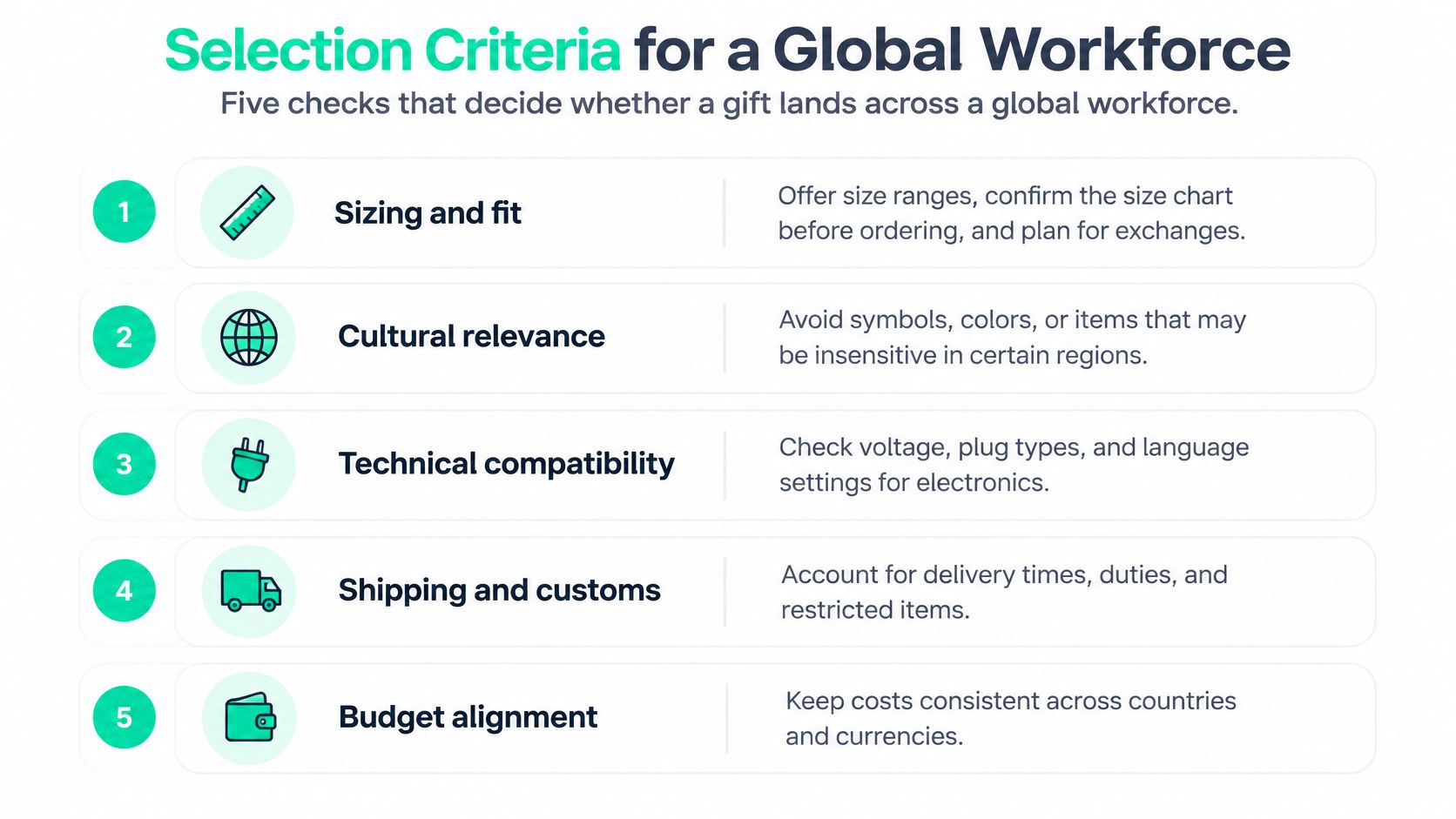
- Sizing and fit. Offer a full size range and check the size chart against the actual blank before the order locks, because apparel exchanges are usually the largest hidden cost in a gifting programme. A unisex tee cut small and ordered only in M and L in a 1,000-person company produces a returns queue long enough to need its own owner.
- Climate and use. Match the item to where people live, with a light tee for warm regions and a fleece for cold ones. A heavyweight hoodie shipped to Singapore isn't a gift, it's a storage problem with a logo on it.
- Cultural and religious fit. Avoid imagery, colours or items built around a single holiday. A red-and-green tree motif sent to a team that doesn't celebrate Christmas tells those employees exactly how the list was built.
- Dietary and accessibility needs. Where food or drink is offered, show the ingredient list and always stock an alternative. A nut-and-chocolate hamper sent to a team with allergies gets passed around the office and binned.
- Brand safety and quality. Approve every option in the set against the same standard, because the cheapest item in a catalogue is often the one people choose. A peeling print on the most-selected option costs more goodwill than a poor headline in the annual survey.
Personalisation is the principle underneath all five. SHRM's guidance on flexible rewards cites O.C. Tanner's 2021 Global Culture Study, covering more than 40,000 workers at organisations with at least 500 employees, in which 70% considered recognition most meaningful when personalized. Personalisation here means choice, thoughtful messaging and packaging that suits the recipient, not a one-off production run.
Segment only where a real constraint exists: climate, sizing, dietary needs, accessibility or local regulation. Segmenting by seniority alone recreates the uniformity problem you were trying to solve.
Tax, Delivery and Cross-Border Rules
The costliest mistake in this whole process doesn't happen at the product stage. It happens when the gift arrives, the employee opens it, and someone in payroll explains what it costs them.
In the United States, gift cards and other cash equivalents are generally taxable wages and are not excludable as de minimis fringe benefits, regardless of amount, as Custom Ink's holiday gifting survey notes set out. A $50 card does not deliver $50 of value to the person receiving it, and the gap is the number your programme should be measured on. Confirm country-specific rules with tax counsel before the first order, not after the first payslip.
Delivery is the second failure point. Collect home addresses for remote and hybrid staff through a secure form or straight from the HRIS, since onboarding-triggered kits can fire automatically from HRIS data and a stale office address will do exactly that. Ship before day one, or before the office closes for the holidays, whichever comes first.
For international recipients, plan for import duties, restricted items and carrier coverage, and keep a regional catalogue of comparable value so nobody receives less because a favoured item can't clear customs. Our employee stores run in 9 currencies, which lets you price-check parity in each person's own currency rather than converting at month end. For a deeper walkthrough of address collection and exception handling, this guide to corporate gift delivery covers the operational sequence.
| Recipient case | What to check | Practical approach |
|---|---|---|
| U.S. employee receiving a cash equivalent | Generally taxable wages regardless of amount | Confirm payroll treatment with tax counsel and tell staff the net value |
| U.S. employee receiving a physical gift | Confirm fringe-benefit treatment with tax counsel | Ship to the home address and keep the item value documented |
| Remote employee | Office address may be wrong or unused | Collect the home delivery address through a secure form or the HRIS |
| International employee | Import duties, local restrictions and currency | Use a regional catalogue of comparable value in the local currency |
| Location with unreliable delivery | Carrier coverage and delivery windows | Offer a digital option or a local retailer voucher of equal value |
Walk every row against your own headcount and locations before approving the catalogue. Most of the surprises in a December programme come from a row nobody checked in October.
Direct-Send Kits or an Employee Choice Store
Two delivery models cover almost every holiday programme, and the choice is mostly a function of scale. Direct-send kits ship a set item to each person, usually for welcome, anniversary and executive gifting. A company swag store is a branded internal storefront where employees redeem a credit balance against a curated catalogue.
Direct-send is the simpler machine, and it scales fine for companies under 200 employees. Each person gets an identical kit with their name on the card, and there's no storefront to configure or selection window to close.
The store model earns its complexity once volume builds. Each employee gets a credit balance, either recurring monthly, quarterly or annually, or one-time for onboarding, an anniversary or a bonus, and redeems it against the catalogue. The programme admin curates which SKUs, colours and price tiers are available, which is how you keep brand consistency while handing over real control.
Two signals tell me a store has become necessary rather than nice to have. One is headcount above 200. The other is the People Ops or HR team fielding more than ten swag requests a month from employees, which is the point where manual fulfilment starts eating a working week.
Most enterprises end up in the middle. A hybrid model runs direct-send kits for welcome, anniversary and executive gifting, plus a store for everyday self-service requests, and it keeps both budgets legible. If you're scoping the storefront itself, this overview of company store software covers what the admin side needs to control.
Catalogue design still matters more than the platform. Not every menu has to be apparel: if you want gift-led options such as candles, these corporate gifting ideas from Jackpot Candles show how a single product category becomes a tiered menu.
Where this lands in practice:
- Under 200 staff with one or two annual moments: direct-send kits, one catalogue, one ship date.
- More than 200 staff, or steady monthly requests: an employee choice store with credits.
- Both patterns in the same company: a hybrid, with kits for milestones and a store for everything else.
Confirm the Pilot Before You Order
A holiday programme isn't the place for a company-wide experiment. Pilot one tier on a small group, watch the exceptions, then approve the full order with evidence in hand.
- Pick one site or segment of about 50 to 100 people and one gift tier from the cost table. AI-designed swag with no minimums makes a pilot this small cheap to run, so there's no volume argument for skipping it.
- Set the budget from the headcount table and add about 15% for shipping and exchanges. Confirm tax treatment before anyone is promised a gift card, because a promise is harder to withdraw than an order.
- Offer three to five equal-value options, with size, colour or dietary choice wherever it matters.
- Set ship dates with slack before the holiday window closes, and confirm every home address individually rather than trusting the HRIS export.
- Measure after delivery: selection rate, exchange rate, fulfilment exceptions, and a short pulse on appreciation and intent to stay, compared against a prior-year or non-recipient baseline.
On the outcome question, keep the claim honest. A Gallup and Workhuman study of nearly 3,500 employees reported by The Riverdale Press tracked employees from 2022 to 2024 and found those receiving high-quality recognition were 45% less likely to leave over two years, while recognition meeting at least four of five strategic criteria was associated with employees being nine times as likely to be engaged as recognition meeting none. That's an association between recognition and retention, not proof that one seasonal gift causes it.
Fiserv's Q4 2024 Gift Card Gauge adds the softer signal: 89% of respondents said receiving an employer reward or incentive made them feel like a valued team member. Pair the physical item with individualised wording, a specific contribution and delivery close to the moment, or you're buying merchandise rather than recognition.
Lock the pilot scope in writing before the first kit ships, including the tier, the option count and the ship date. Approve the wider programme only when exceptions and the pulse survey both look acceptable, and be willing to say no when they don't.
Holiday gifting goes wrong at the edges: the size nobody stocked, the address nobody checked, the gift card nobody taxed. FLYP LTD runs global merch as a managed service, with curated holiday kits, employee-choice stores funded by credits, HRIS-triggered recognition gifts, fulfilment and reporting handled end to end, so you can run a 50-person pilot in September and a 2,000-person rollout in November off the same catalogue. If you're setting per-person bands and headcount totals this quarter, visit FLYP LTD to scope the programme with your real numbers in front of you.